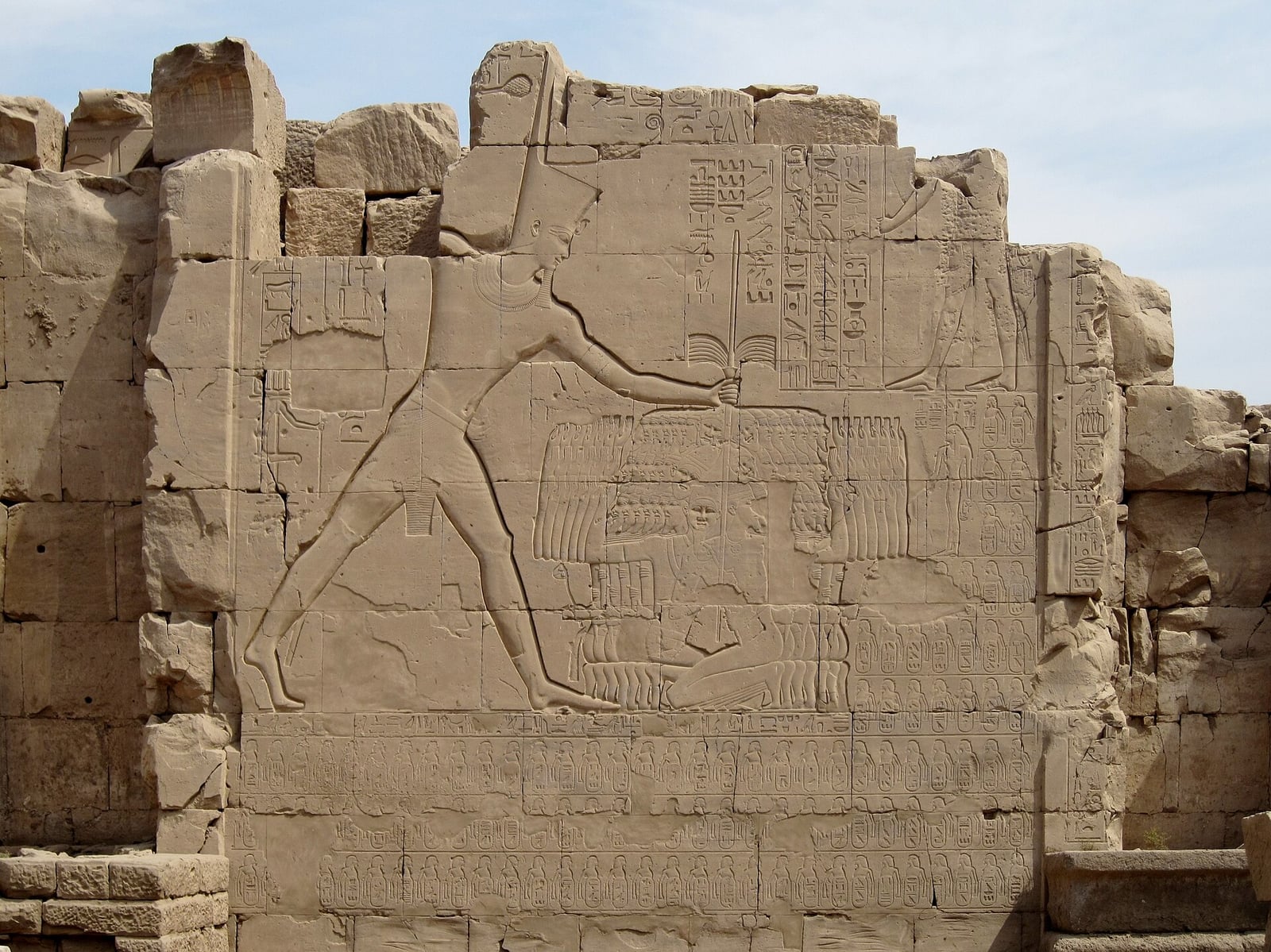
Thutmose III Wins the First Battle Recorded in Detail
A pharaoh took a risky mountain pass to surprise a Canaanite coalition, and his scribes recorded the campaign.
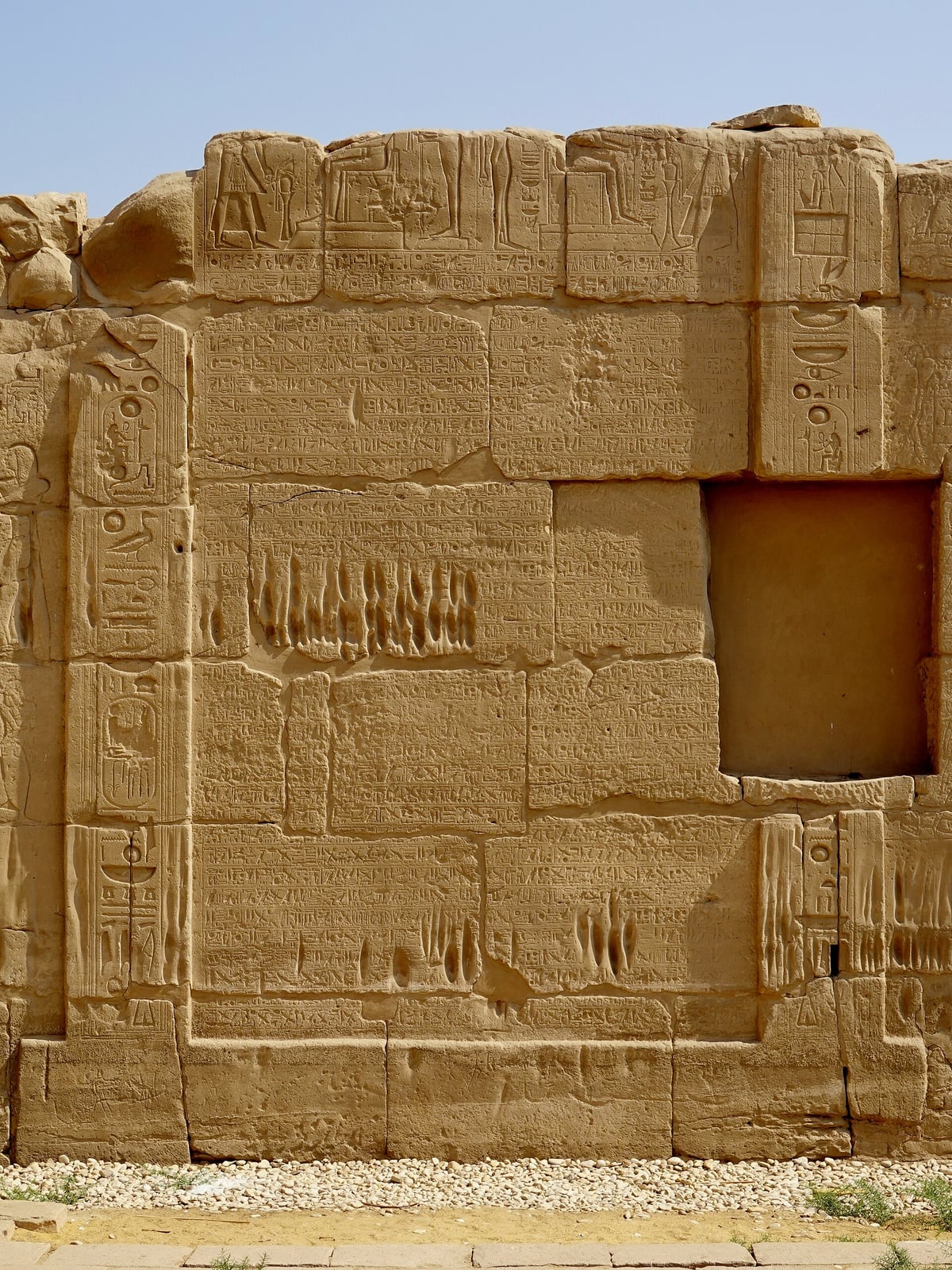
During the fifteenth century BCE, Pharaoh Thutmose III marched an Egyptian army north into the Levant to confront an uprising of Canaanite vassal rulers. The rebellious coalition was headed by the ruler of Kadesh, who had allied with neighboring chieftains and garrisoned the fortified city of Megiddo. Controlling Megiddo was vital because it overlooked the Jezreel Valley and commanded key trade routes, one running to the coast and another leading north toward Kadesh. Surviving hieroglyphic inscriptions in the Hall of Annals at Karnak, based on field journals kept by the royal scribe Tjaneni, provide what many historians consider the oldest detailed account of a battle.
Upon reaching the assembly town of Yehem south of Mount Carmel, Thutmose III met with his military council to weigh their approach. The commanders recommended following wider, safer paths either to the north or around the southern flank through Taanach. Both alternatives promised secure passage but required longer travel times. A third path ran straight through the narrow mountain ravine of Aruna. While it cut directly toward Megiddo, it forced soldiers and draft animals into single file, where an ambush could destroy the column piecemeal before the main force could intervene.

Keep reading in Yester
Coming soonKeep following the story
Sources
- Battle of Megiddo, Egyptian Account, 15th Century BCE (Internet Ancient History Sourcebook, Fordham University)
- How a single battle and one young pharaoh turned Egypt into a superpower (National Geographic)
- Thutmose III at the Battle of Megiddo (World History Encyclopedia)
- Battle of Megiddo (15th century BC)
Image: Olaf Tausch · CC BY 3.0 · Wikimedia Commons · cropped
