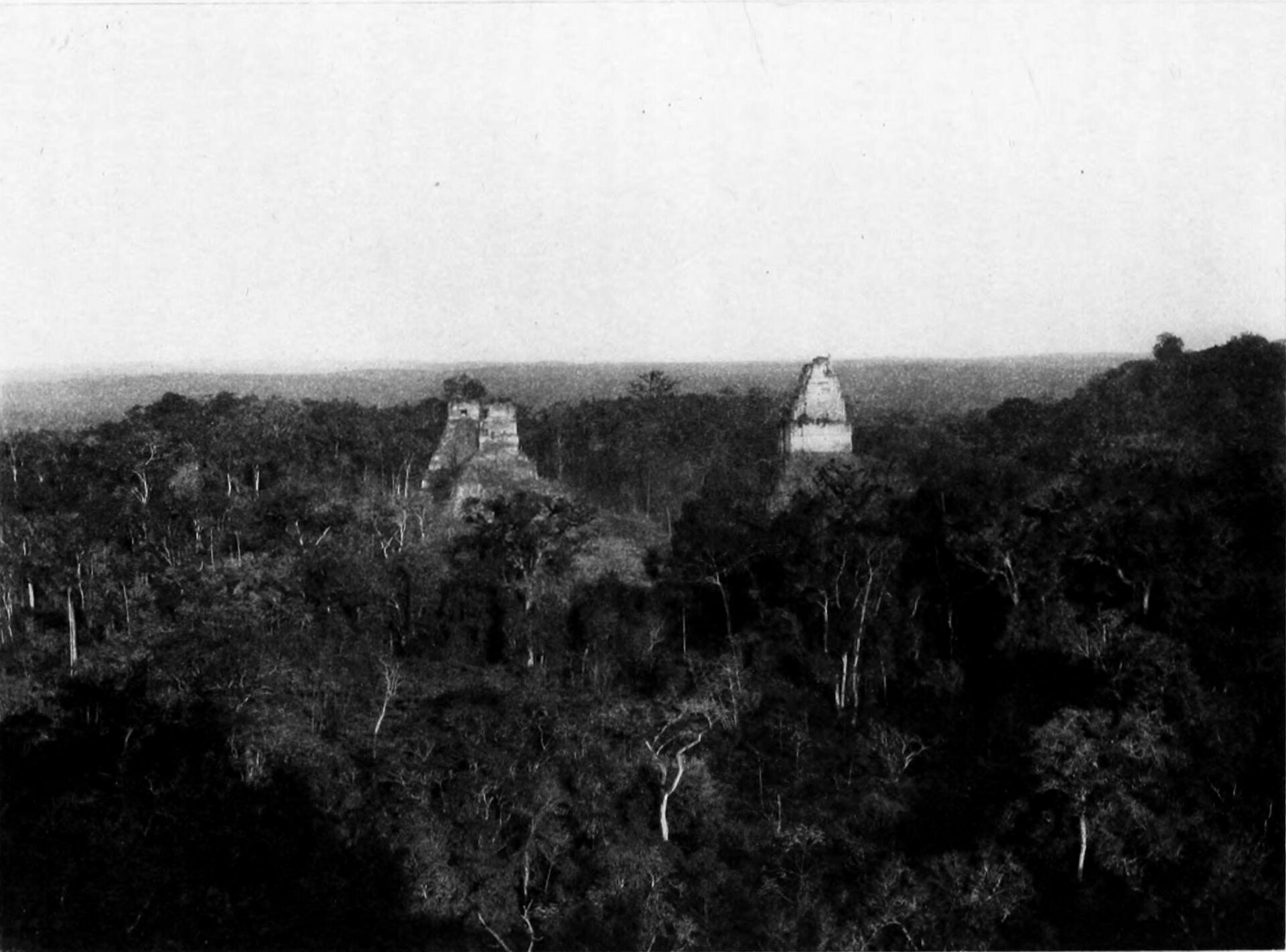
The Classic Maya Cities of the South Fall Silent
Within about 150 years, kings stopped raising dated monuments and most people left the great southern lowland cities.
During the eighth and ninth centuries, the great urban centers of the southern Maya lowlands entered a swift and visible decline. Across prominent city-states such as Palenque, Copan, Calakmul, and Tikal, the monumental construction that had defined the Classic period slowed dramatically and then halted. Kings stopped carving dated stone monuments city by city between the late eighth and early tenth centuries, and the last known Long Count date on a Classic Maya monument, at Tonina, corresponds to the year 909. One by one, the royal courts that had governed the lowland forests for centuries went silent.
This political and demographic contraction unfolded across specific royal seats. At Copan, Altar Q portrays the sixteen kings of the dynasty, ending with Yax Pasaj, who came to power in 763. A last claimant, Ukit Took, appears on Altar L in 822, but that monument was left unfinished, and no later king is recorded. In the surrounding Copan Valley, a study by David Webster and AnnCorinne Freter using more than two thousand obsidian hydration dates showed that the decline there was long and uneven. The valley, home to an estimated twenty to twenty-five thousand people at its eighth-century height, saw its royal dynasty fall abruptly around 800, but lesser nobles carried on for another two centuries, and the population declined gradually over some four hundred years. At nearby Quirigua, the last recorded ruler, Jade Sky, came to power around 800, and the city's inscriptions stop soon after, fitting a wider regional pattern of dynastic unraveling.

Keep reading in Yester
Coming soonKeep following the story
Sources
- Scientists measure severity of drought during the Maya collapse (University of Cambridge)
- Settlement History and the Classic Collapse at Copan, Webster and Freter (Latin American Antiquity, Cambridge)
- Copan and the End of History (University of Texas, Cultures and Contexts)
- Tonina archaeological zone (INAH)
- Scientists pinpoint collapse of Maya political systems via climate change (EurekAlert, Kennett et al. 2012)
- The Maya people, history, achievements, and decline (National Geographic)
- Teotihuacan (World History Encyclopedia)
- Classic Maya collapse
Image: Alfred Percival Maudslay · Public domain · Wikimedia Commons · cropped
