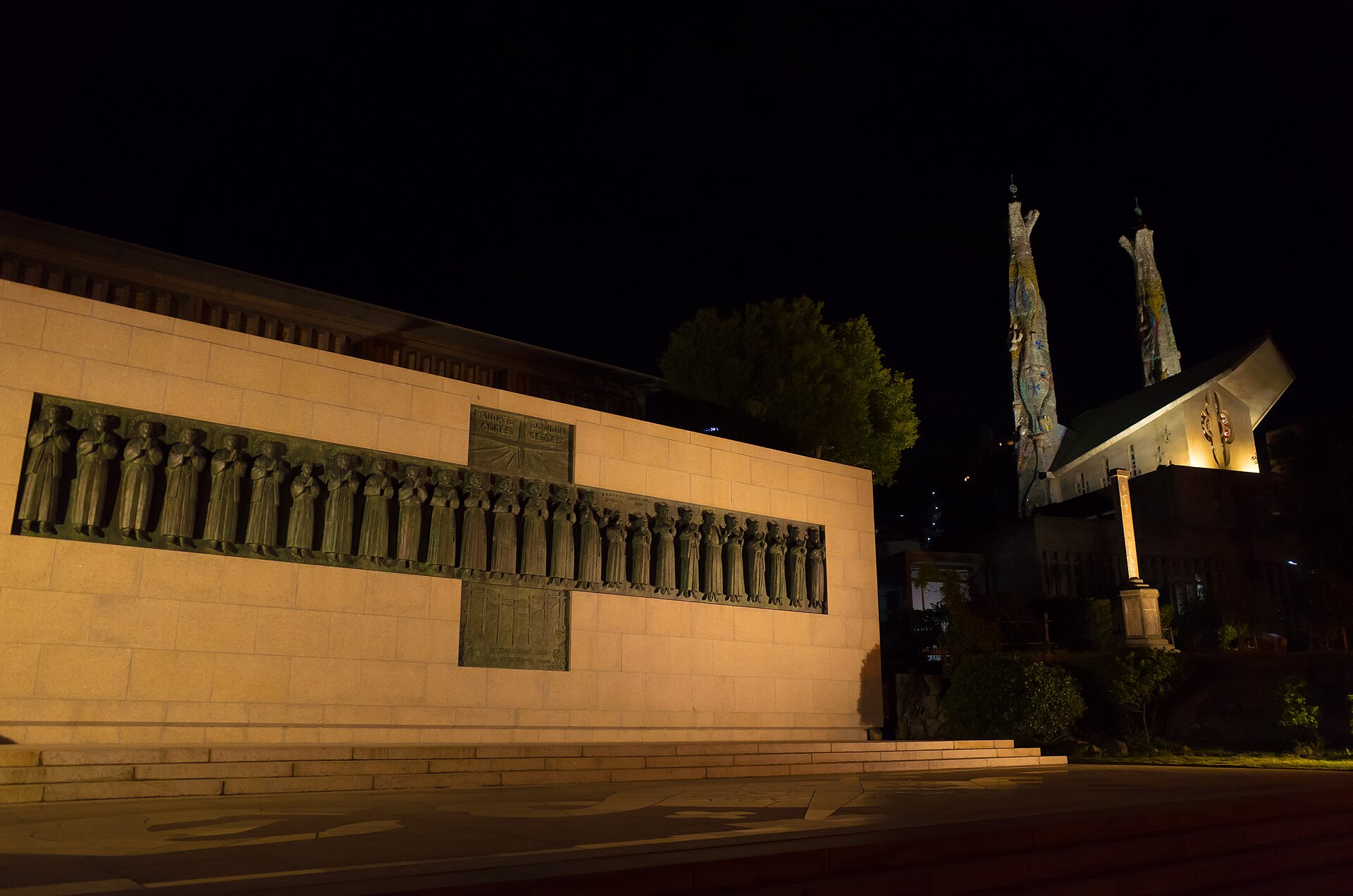
Twenty-Six Christians Are Crucified at Nagasaki
Japan’s ruler Hideyoshi turned on the growing Christian mission with a public execution on a hill above the port.
On February 5, 1597, twenty-six Catholic converts and missionaries were put to death by crucifixion on a hill overlooking the port of Nagasaki. The executions followed orders issued by Toyotomi Hideyoshi, the de facto ruler of Japan, who had grown increasingly distrustful of the spreading foreign faith. The group condemned to die comprised both European clergy and local Japanese believers, whose public deaths marked a decisive escalation in state-sponsored efforts to suppress Christianity.
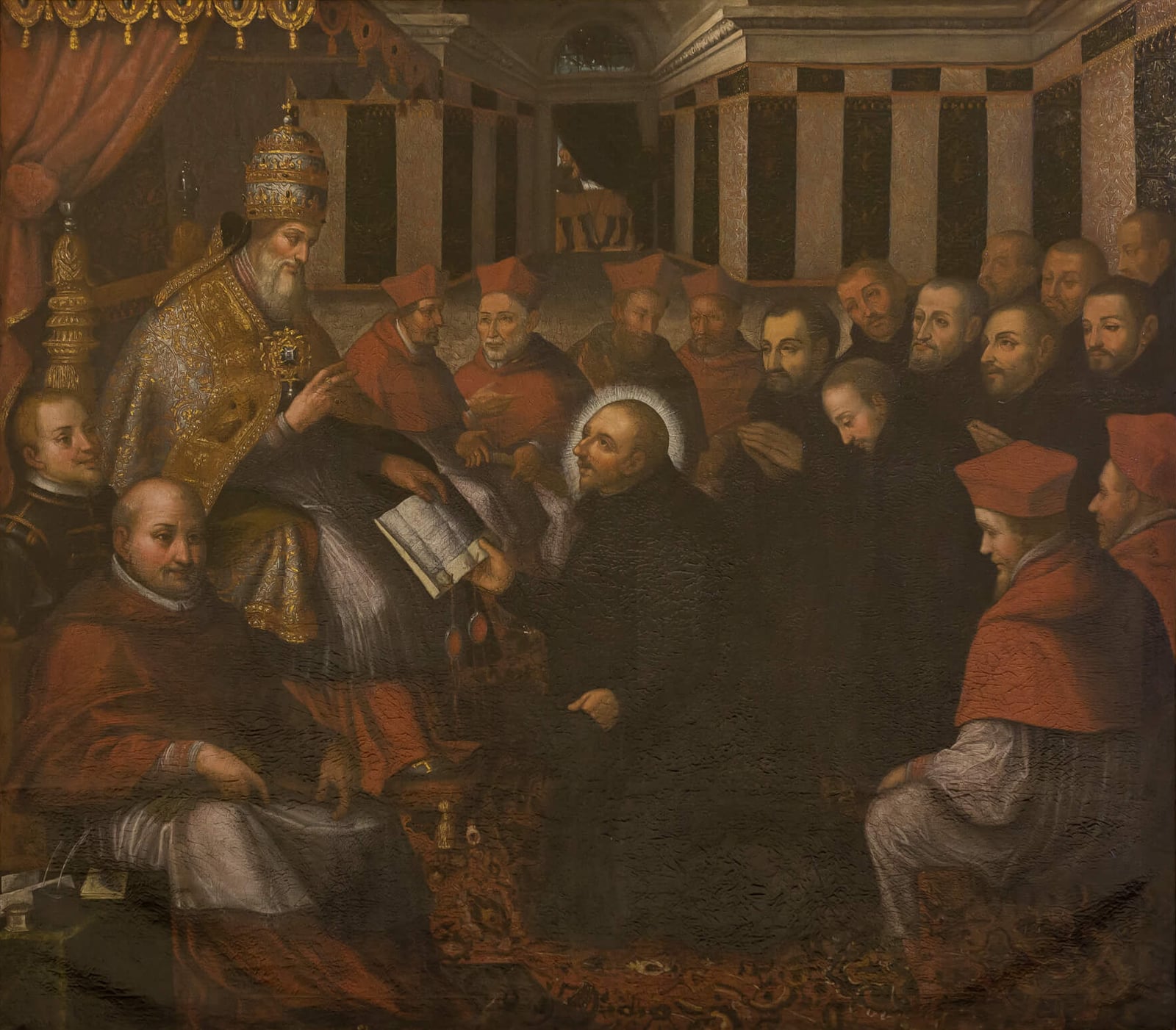
Catholic evangelization in Japan had commenced nearly five decades earlier, when Francis Xavier, Cosme de Torres, and Juan Fernandez arrived in Kagoshima in August 1549. The early missionary work, conducted primarily by members of the Society of Jesus, initially benefited from local daimyo interests in opening trade relationships with Portugal and Spain. Japanese authorities and the central government permitted the mission partly to counterbalance the political influence of Buddhist monasteries, and estimates suggest that the Catholic community grew toward roughly 300,000 believers near the close of the sixteenth century.

Keep reading in Yester
Coming soonKeep following the story
Sources
Image: 松永如庵 · CC BY 3.0 · Wikimedia Commons · cropped
