The Mahdist Army Takes Khartoum
A religious movement captured the city and founded a state in Sudan.
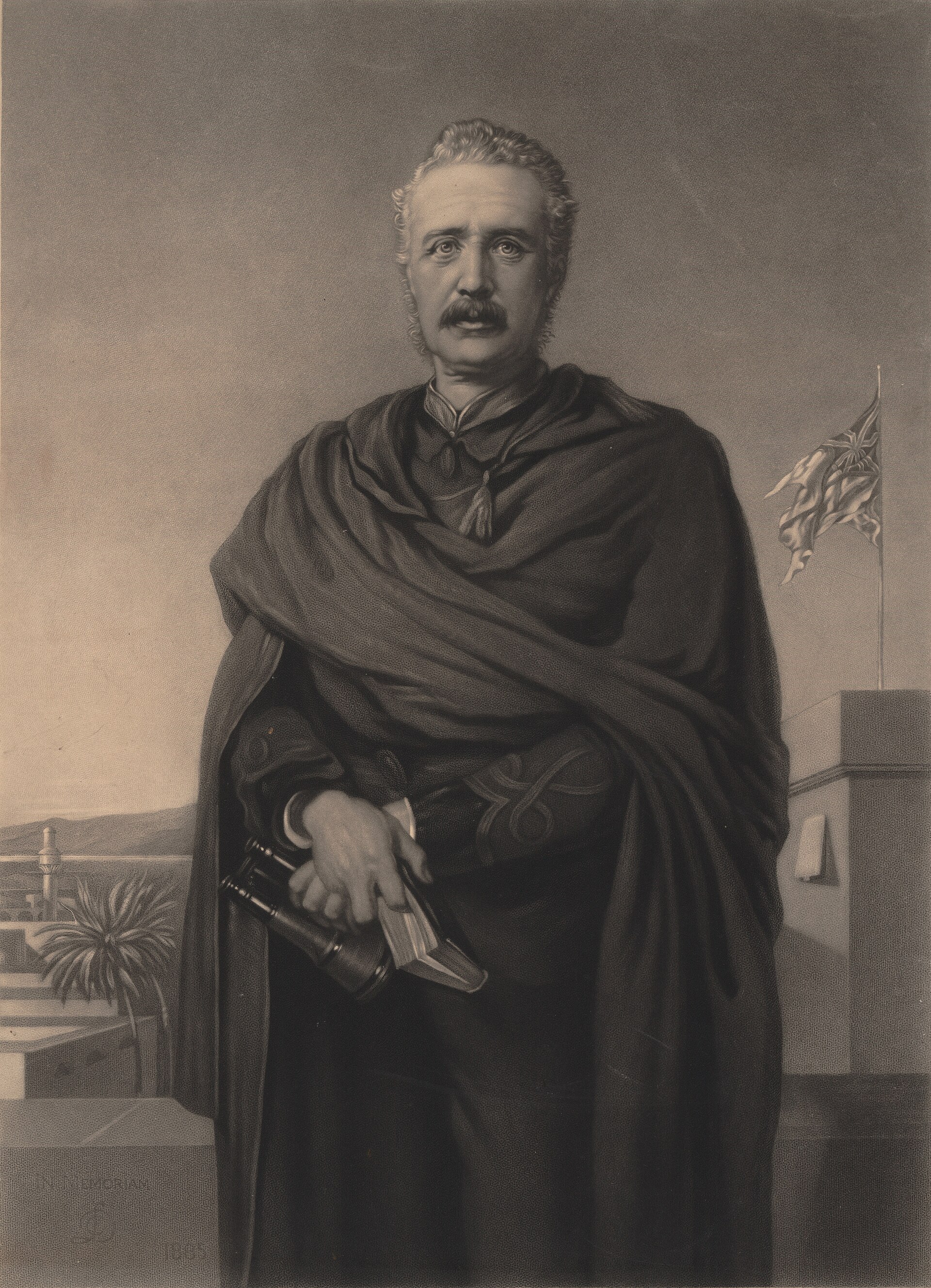
In early 1884, the British government faced an escalating crisis in Turco-Egyptian Sudan, where a broad uprising led by Muhammad Ahmad, who had proclaimed himself the Mahdi in 1881, was sweeping away Egyptian administration. Egypt had controlled the territory since 1820 but had fallen under British military occupation in 1882. Reluctant to commit imperial forces or drain Egyptian finances, the British administration dispatched Major-General Charles George Gordon to Khartoum in February 1884. His official remit was to supervise the evacuation of remaining Egyptian garrisons scattered across the region.
Upon reaching Khartoum on 18 February 1884, Gordon found roughly 7,000 Egyptian troops and 27,000 civilians in the city. Rather than staging an immediate retreat, he resolved to hold his position and extricate beleaguered garrisons at Sennar, Tokar, and Sinkat. Gordon initiated administrative changes, including remitting taxes, halting torture, and legalising slavery to court the local population. When his appeals to London and Cairo for Turkish, Indian, or British reinforcements were rejected, Gordon prepared Khartoum for an inevitable encirclement, transforming paddle-wheel river steamers into armoured gunboats and erecting desert fortifications protected by wire entanglements and land mines.

Keep reading in Yester
Coming soonKeep following the story
Sources
Image: Samuel Cousins / Thomas Lewis Atkinson / Lowes Cato Dickinson · Public domain · Wikimedia Commons · cropped
