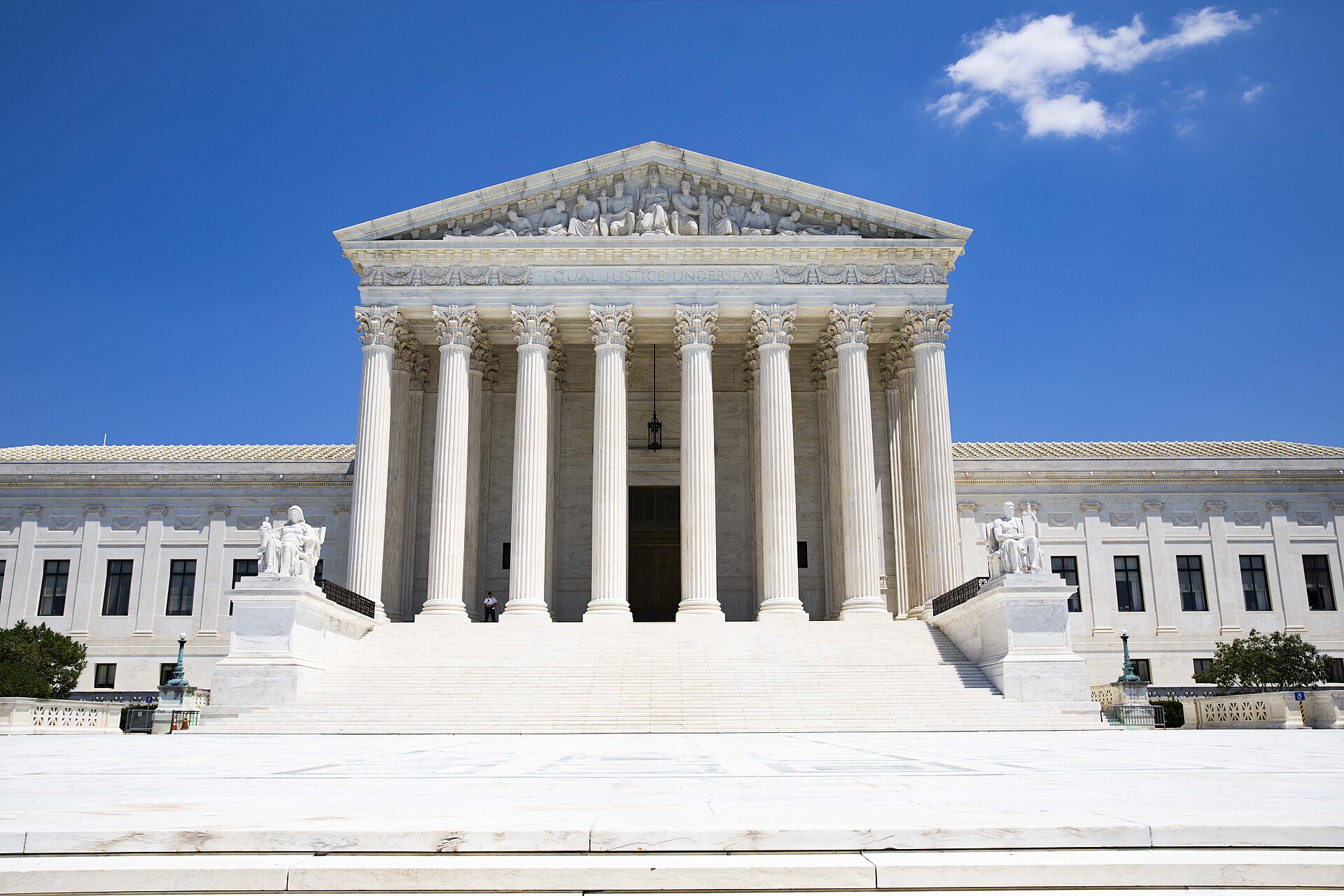
The Supreme Court Strikes Down Bans on Interracial Marriage
Mildred and Richard Loving, exiled from Virginia for marrying, won a unanimous ruling that changed the law in 16 states.
In June 1958, Mildred Jeter and Richard Loving traveled from Caroline County, Virginia, to Washington, D.C., to be lawfully wed. Mildred identified with African American and Native American ancestry, while Richard was white. Upon returning to their home in Central Point, local law enforcement raided their bedroom in July 1958 and arrested them. Interracial marriage was a felony under Virginia statutes, and the state also criminalized leaving its borders to marry before coming back to reside. In January 1959, the couple pleaded guilty to cohabitation against the peace and dignity of the state. Judge Leon M. Bazile sentenced them to one year in prison, suspending the term on the condition that they leave Virginia and not return together for at least twenty-five years.
Forced into exile, the Lovings relocated to Washington, D.C., where they struggled with social isolation, financial strain, and an inability to visit their extended families together. In 1963, Mildred Loving wrote a letter of protest to United States Attorney General Robert F. Kennedy, who directed her to the American Civil Liberties Union. Volunteer attorneys Bernard S. Cohen and Philip J. Hirschkop took up the case, filing a motion in Caroline County Circuit Court to set aside the convictions. When Judge Bazile refused to vacate the convictions in January 1965, he asserted that racial divisions were divinely ordained and that the separation of the races showed they were not intended to mix.

Keep reading in Yester
Coming soonKeep following the story
Sources
Image: Senate Democrats · CC BY 2.0 · Wikimedia Commons · cropped
