A Surgeon in New York Removes a Gallbladder in Strasbourg
Doctors steered robot arms across the Atlantic in the first complete long-distance surgery.
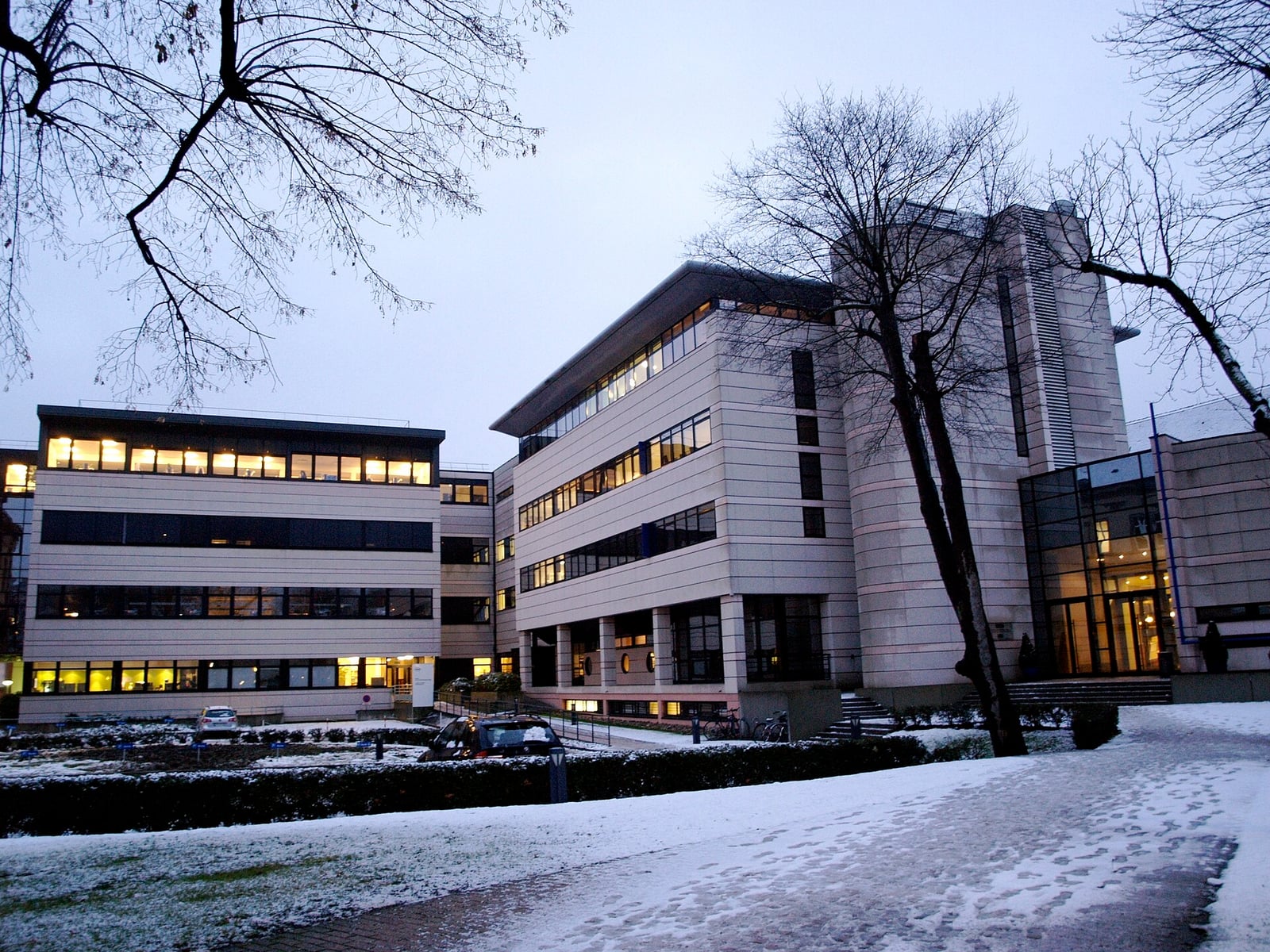
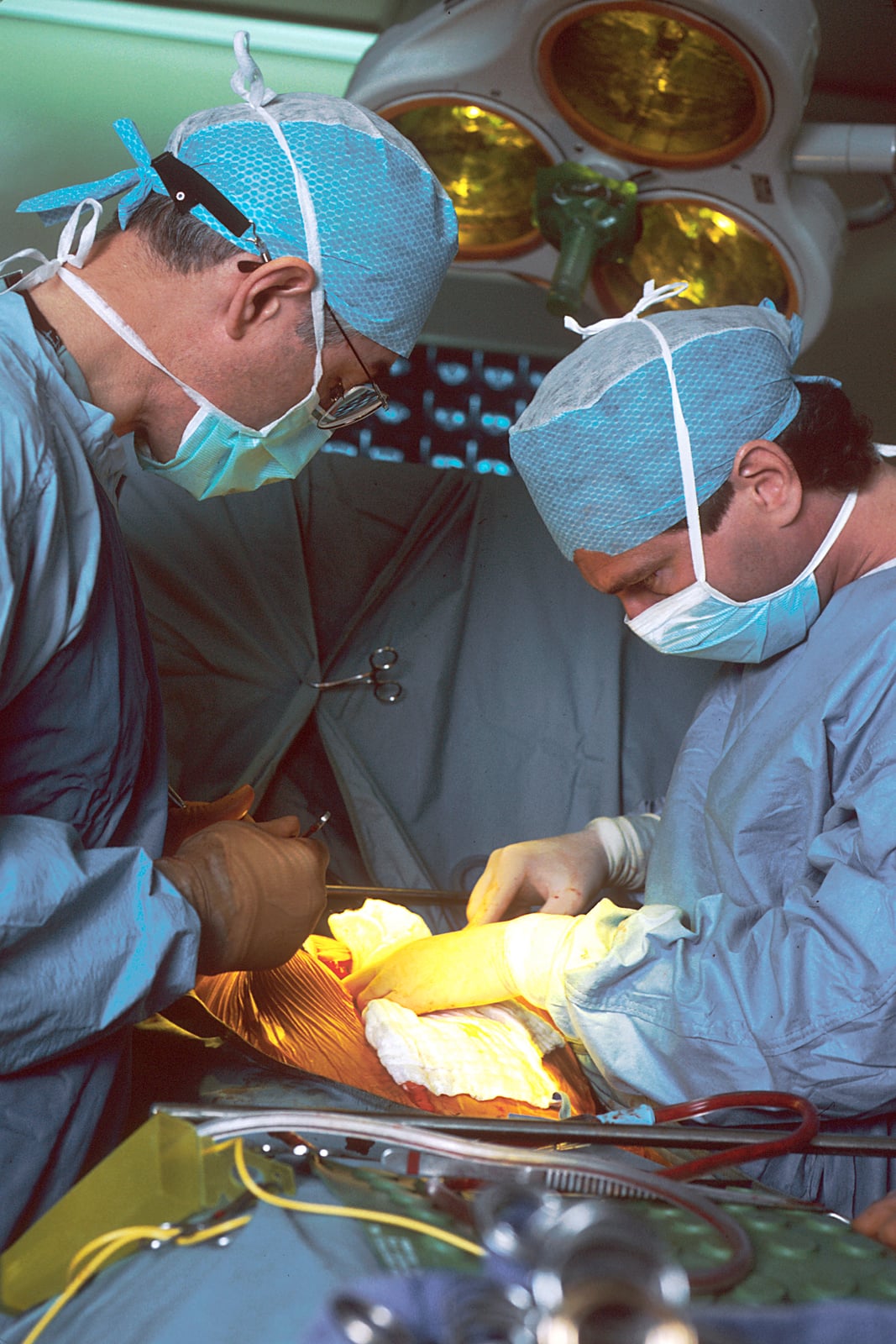
On September 7, 2001, a surgical team directed by Professor Jacques Marescaux sat before a control console in New York City to operate on a patient located thousands of miles away in France. In an operating room in Strasbourg, a sixty-eight-year-old woman with gallstones was prepared for a cholecystectomy, the surgical removal of the gallbladder. Rather than standing over the operating table, the lead surgeons manipulated remote instruments across an ocean, relying on electronic data signals to bridge the intercontinental divide.
The pioneering procedure was officially named the Lindbergh operation, taking inspiration from aviator Charles Lindbergh, who completed the first solo nonstop flight across the Atlantic Ocean. In similar fashion, the medical undertaking sought to conquer transoceanic distance, demonstrating that complex operations could be performed without the surgeon being physically present in the room. According to the surgeons' published report, the gallbladder removal took 54 minutes and there were no complications; the patient left the hospital 48 hours later.

Keep reading in Yester
Coming soonKeep following the story

Sources
Image: Pierre Rudloff · Public domain · Wikimedia Commons · cropped
