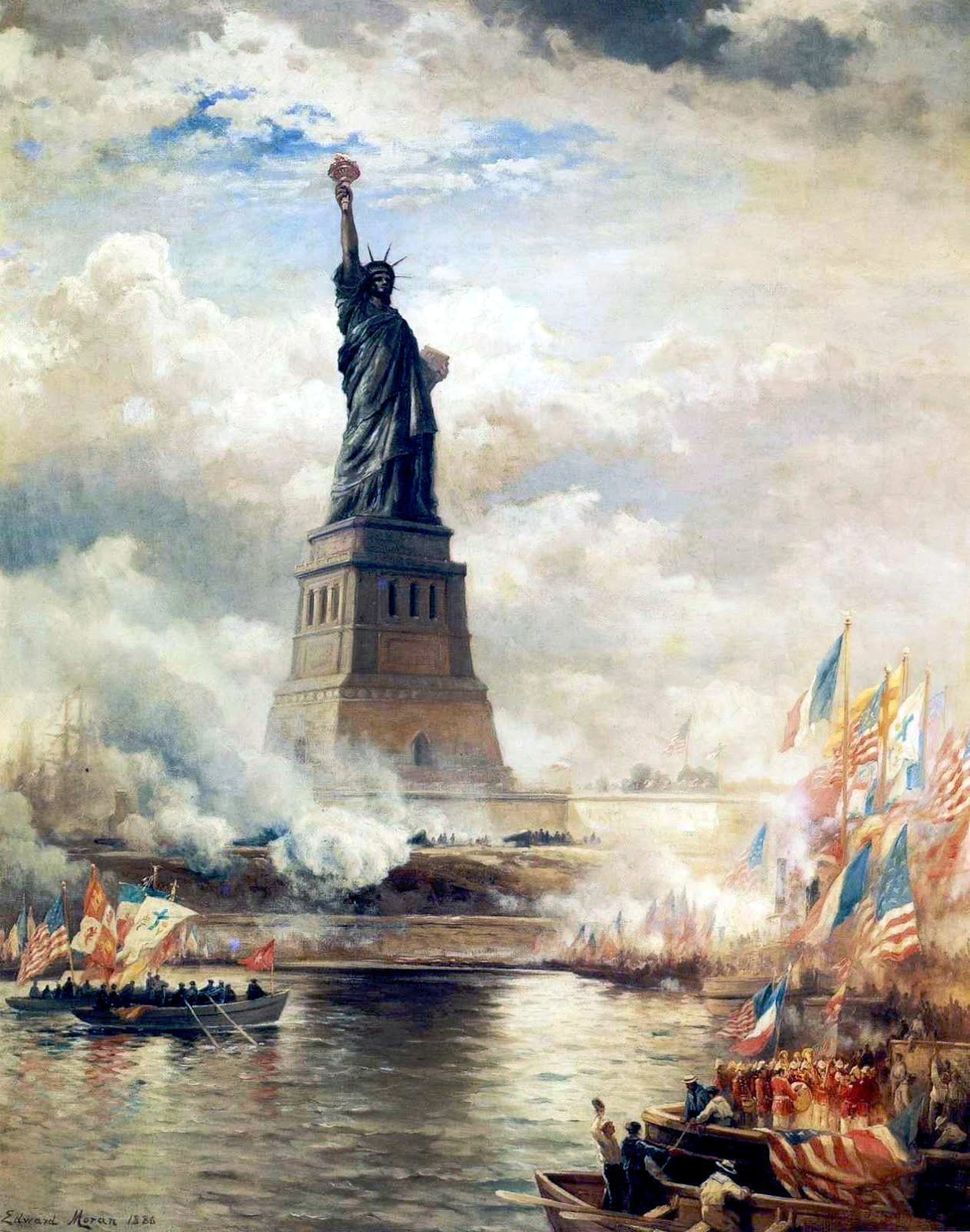
The Statue of Liberty Is Dedicated in New York Harbor
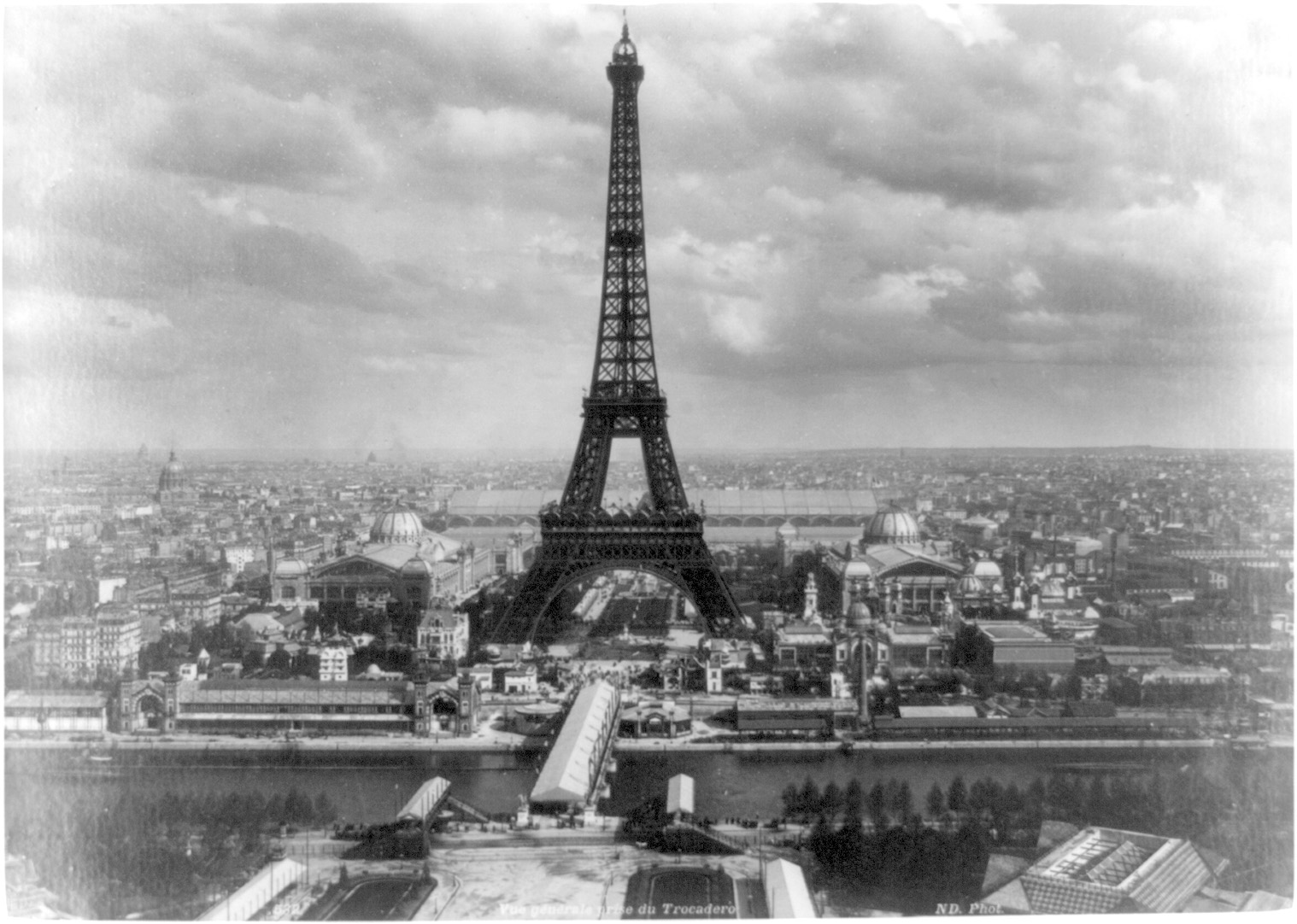
A gift from France, built by Bartholdi on an iron frame engineered by Gustave Eiffel, became a symbol of arrival.
On October 28, 1886, thousands gathered across Lower Manhattan and New York Harbor for the dedication of Liberty Enlightening the World. The event featured New York's first ticker-tape parade and an official ceremony presided over by President Grover Cleveland. Standing on what was then called Bedloe's Island, the colossal neoclassical copper sculpture represented more than two decades of political planning, artistic experimentation, and complex cross-border fundraising.
The monument originated within French intellectual circles around Édouard René de Laboulaye, president of the French Anti-Slavery Society. A persistent tradition held that Laboulaye first proposed a joint memorial during an 1865 dinner conversation to commemorate the upcoming American centennial, the survival of the republic, and the abolition of slavery. The National Park Service still dates his proposal to 1865, though some historians have questioned whether that particular conversation occurred or was instead a later fundraising legend. Either way, Laboulaye spearheaded the formal campaign in 1875. He created the Franco-American Union, establishing an arrangement where the French public financed the statue while Americans raised funds for the pedestal.

Keep reading in Yester
Coming soonKeep following the story
Sources
- Liberty Island: A Chronology (National Park Service)
- Edouard de Laboulaye (National Park Service)
- Alexandre-Gustave Eiffel (National Park Service)
- Abolition and the Statue of Liberty (National Park Service)
- Statue of Liberty (Encyclopaedia Britannica)
- Body of Iron, Soul of Fire: The Statue of Liberty (National Archives, Prologue blog)
- Maurice Koechlin, the engineer without whom the Tower would not exist (Tour Eiffel)
- Statue of Liberty
Image: Edward Moran · Public domain · Wikimedia Commons · cropped
