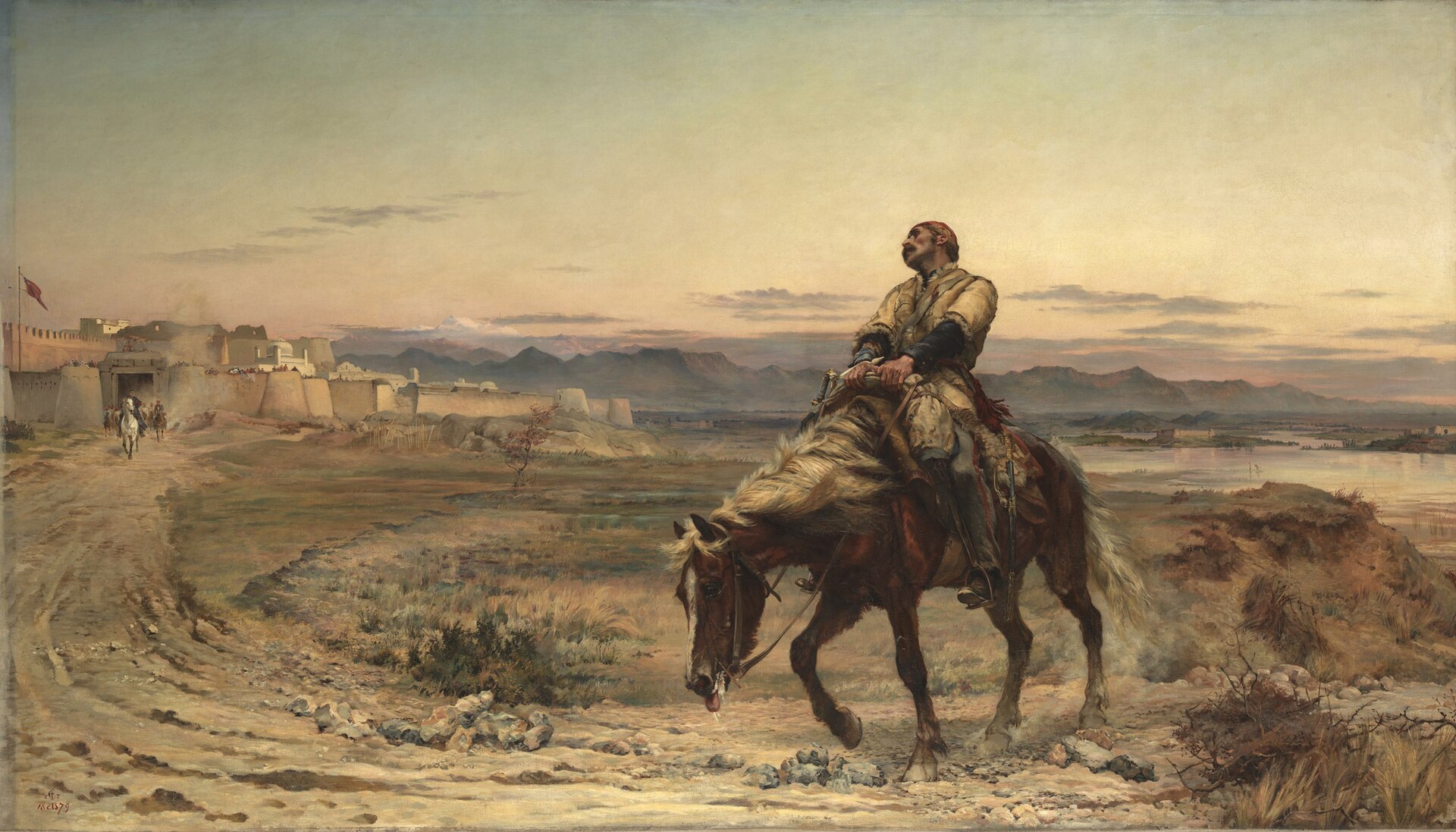
A British Army Retreats from Kabul and Is Destroyed
During the First Anglo-Afghan War, a British and Indian force left Kabul in winter and was cut down in the mountain passes.
On the morning of 6 January 1842, a vulnerable column of roughly 16,000 soldiers and camp followers marched out of the British cantonments outside Kabul. Major-General William Elphinstone, an elderly officer suffering from severe illness, commanded a force of 4,500 troops, composed of 700 British regulars and 3,800 Indian sepoys. Beside them moved approximately 12,000 camp followers and civilians, including the families of both Indian and British personnel, servants, laborers, and other camp workers. They faced an arduous winter journey of about 145 kilometers (90 miles) through the mountain passes east of Kabul to reach the British garrison at Jalalabad.
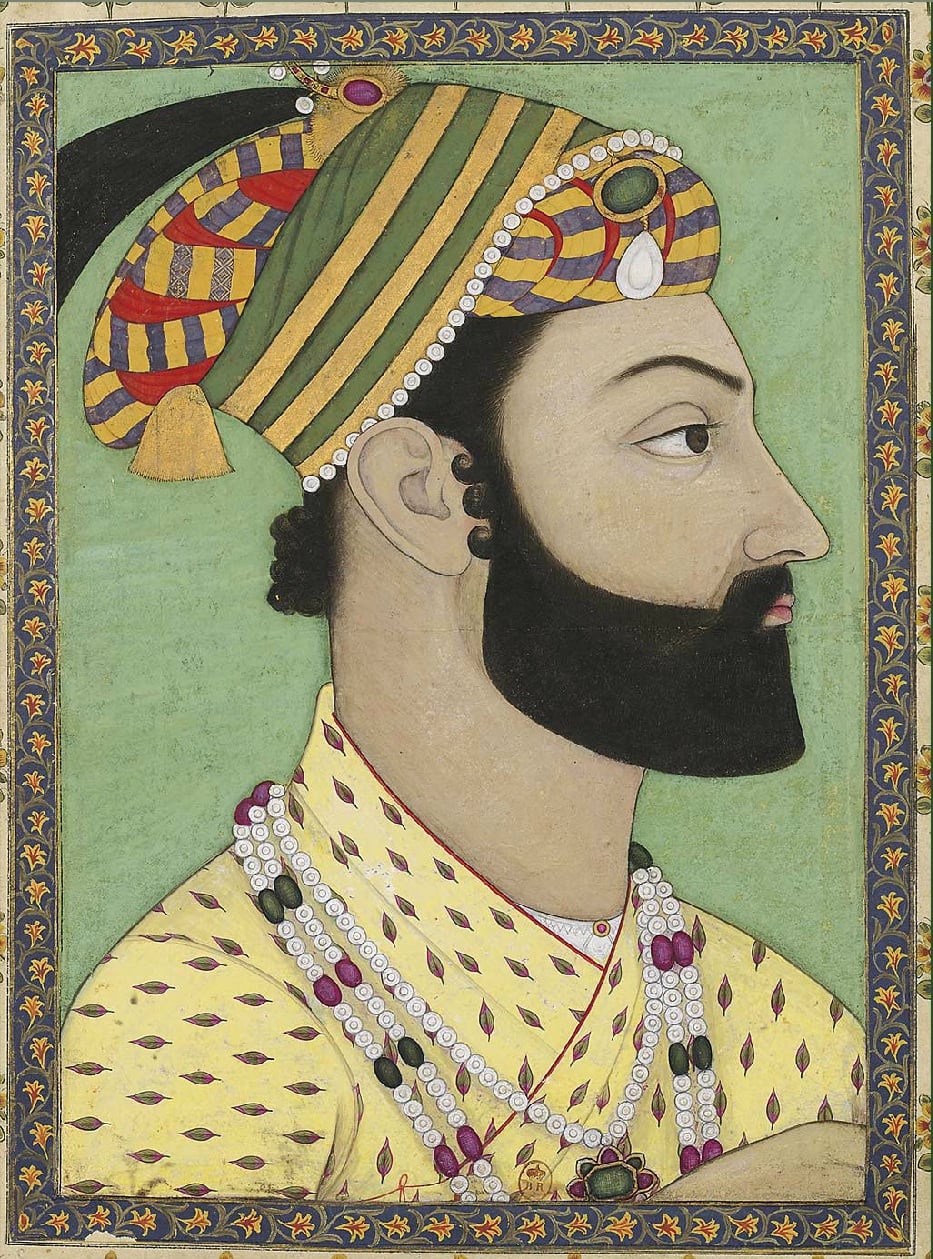
The retreat marked the collapse of Britain's initial intervention in the First Anglo-Afghan War. In 1839, British and East India Company forces had invaded Afghanistan, unseated Emir Dost Mohammad Barakzai, and installed Shuja Shah Durrani as the country's ruler. Rather than occupying the secure Bala Hissar fortress, British officials placed their military cantonments in exposed positions outside the city. Rising resentment against foreign occupation erupted into open rebellion in Kabul on 2 November 1841. The mob killed senior British envoy Alexander Burnes, and insurgent forces then captured the fort where the army's supplies were stored.

Keep reading in Yester
Coming soonKeep following the story
Sources
Image: Elizabeth Thompson · Public domain · Wikimedia Commons · cropped
