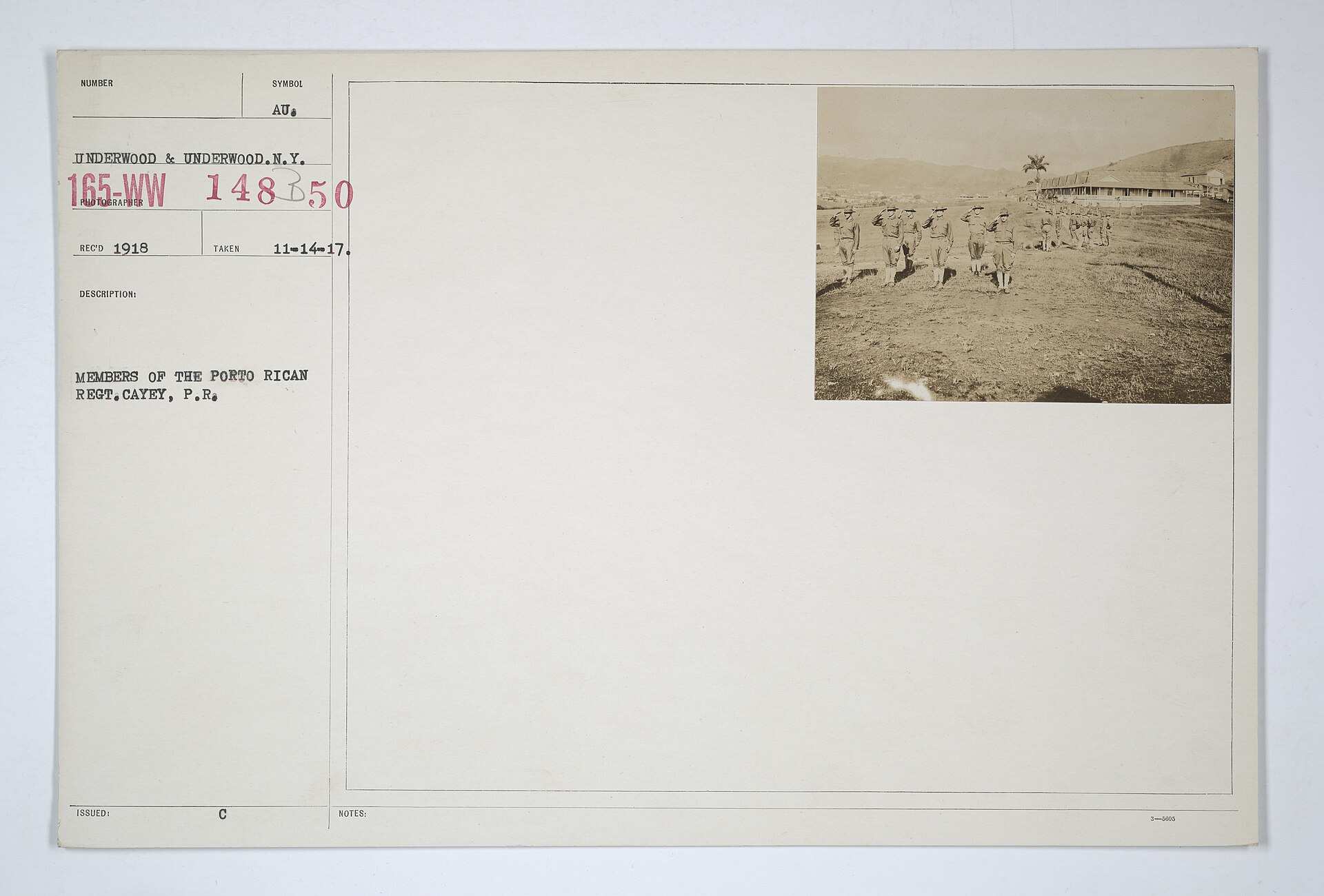
Puerto Ricans Become United States Citizens
A law signed by President Wilson made Puerto Ricans American citizens and gave the island an elected senate, without making it a state.
On March 2, 1917, President Woodrow Wilson signed the Jones-Shafroth Act, restructuring the governance of Puerto Rico and conferring statutory United States citizenship on its residents. Since 1900, the Foraker Act had governed the island as an unincorporated territory, leaving the local population categorized as American nationals lacking citizenship. Named for Representative William Atkinson Jones of Virginia and Senator John Shafroth of Colorado, the new organic law established a local bill of rights, reformed the territorial administration, and addressed long-standing questions regarding legal status.
The statute granted United States citizenship collectively to Puerto Ricans, including those born on the island on or after April 25, 1898. Residents had a limited period set by the act to decline citizenship if they chose. Out of nearly 1.2 million inhabitants, only 288 formally rejected the designation. Many Puerto Rican leaders objected that citizenship came without the self-government they had sought, and those who declined it lost the right to hold or run for public office on the island. Resident Commissioner Luis Muñoz Rivera had pressed Congress in 1916 for greater self-government, and he died in November 1916, before the bill became law. The House passed the bill in May 1916 and the Senate in February 1917.

Keep reading in Yester
Coming soonKeep following the story
Sources
Image: Unknown author · Public domain · Wikimedia Commons · cropped
