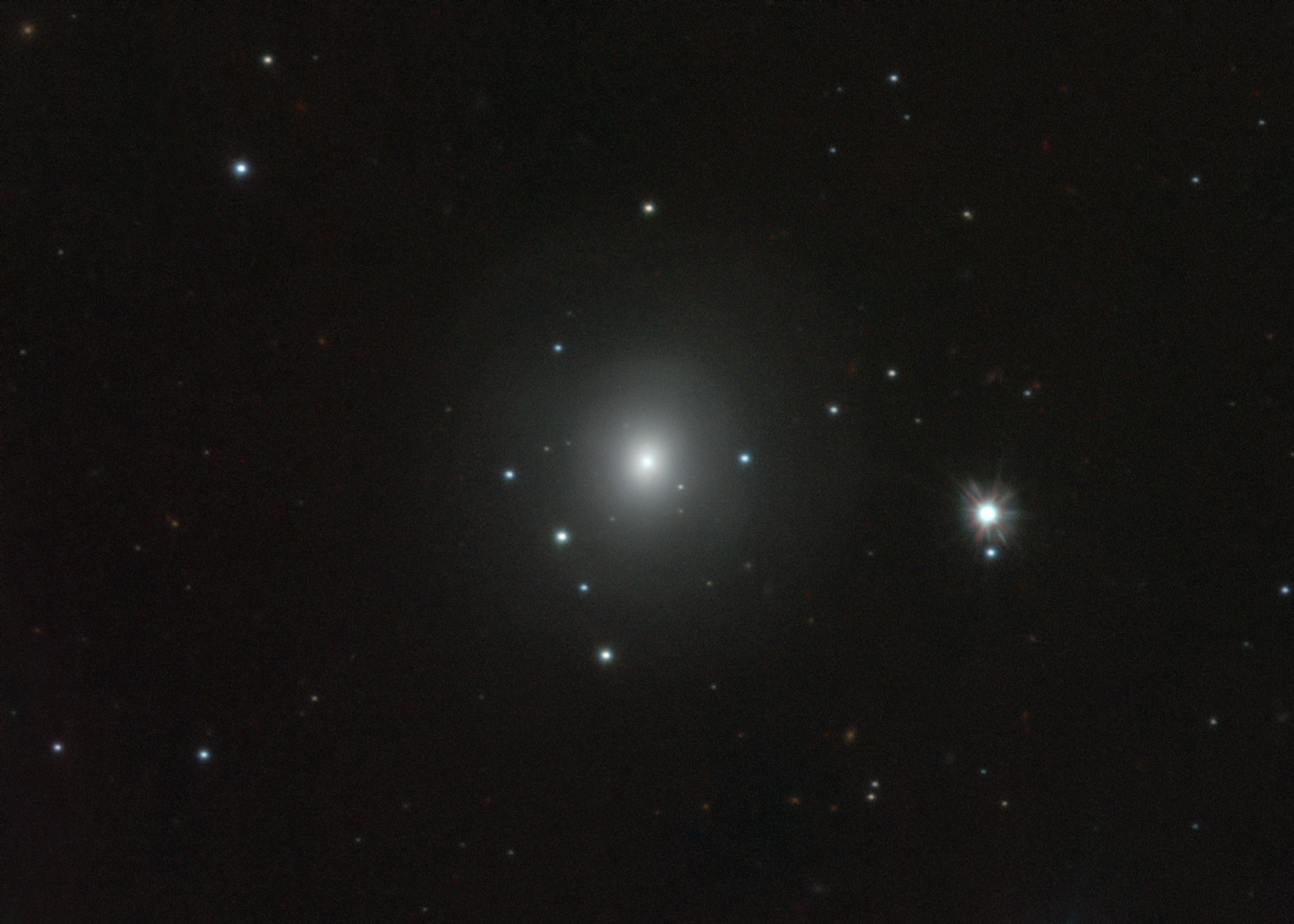
Astronomers See and Hear Two Neutron Stars Collide
Gravitational waves and light from the same cosmic crash were caught together for the first time.
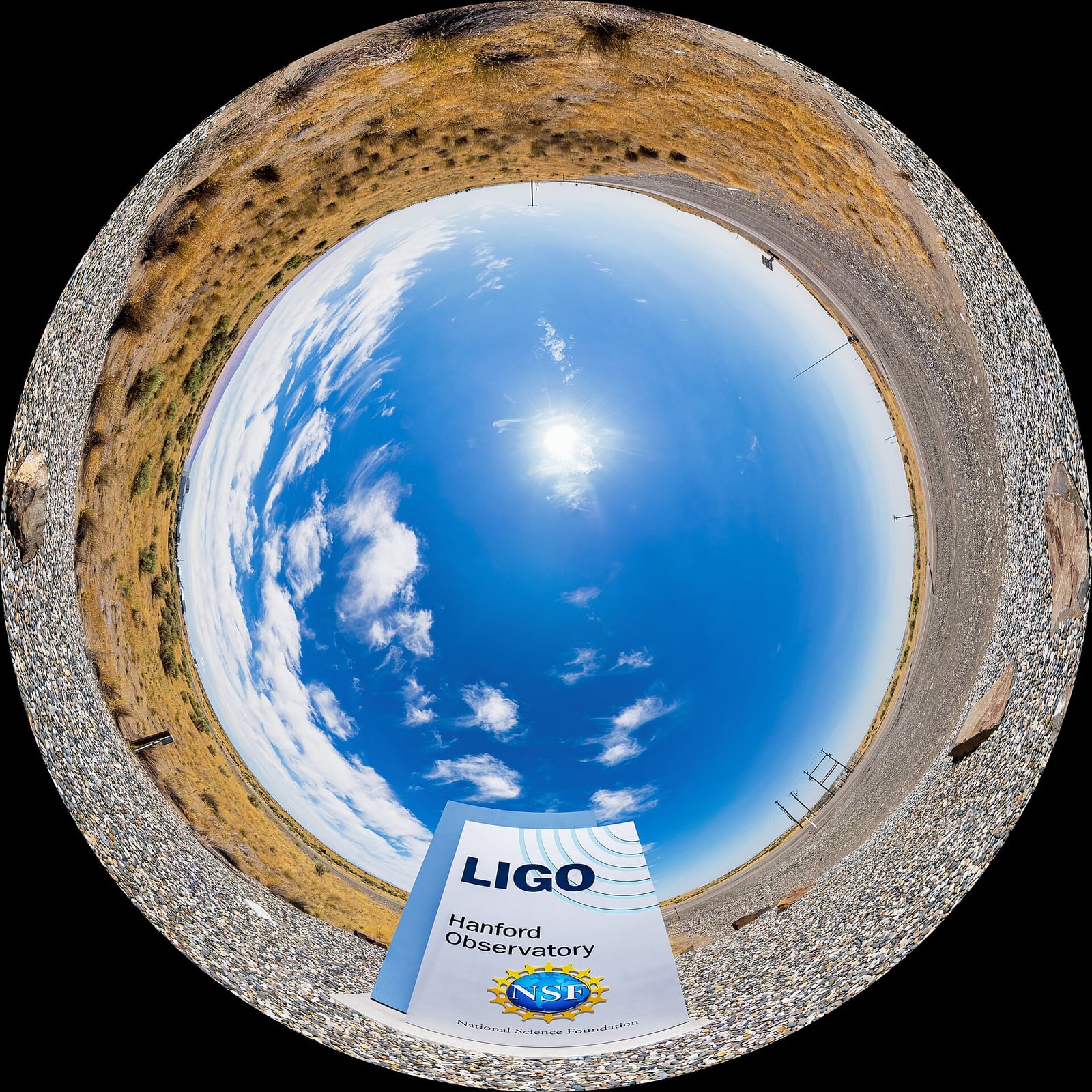
On 17 August 2017, instruments around the world recorded a faint ripple in spacetime that transformed observational astrophysics. The signal, designated GW170817, reached Earth at 12:41:04 UTC and was recorded by the two LIGO detectors in Louisiana and Washington state and by the Virgo detector near Pisa, Italy. The detection came through the advanced laser facilities of the LIGO project and its European partner. Unlike previous gravitational wave events, which had originated from the silent collisions of black holes and lasted only brief fractions of a second, this disturbance spanned roughly one hundred seconds, rising in frequency from about twenty-four hertz to several hundred hertz as two ultra-dense neutron stars spiraled together.
A mere 1.7 seconds after the final merger, orbiting gamma-ray observatories captured an energetic flash designated GRB 170817A. The Fermi space telescope issued an automated alert within fourteen seconds, while the INTEGRAL satellite independently registered the burst. Comparing the timing differences between these orbital instruments and the terrestrial gravitational wave detectors offered a broad patch of sky in the southern hemisphere. By combining directional data across the three interferometers, despite a brief glitch in Louisiana and a data transfer delay in Italy, researchers narrowed the source coordinates to an area of approximately thirty-one square degrees, later refined to twenty-eight square degrees.

Keep reading in Yester
Coming soonKeep following the story
Sources
- Multi-messenger Observations of a Binary Neutron Star Merger (ApJL / arXiv)
- GW170817: Observation of Gravitational Waves from a Binary Neutron Star Inspiral (PRL / arXiv)
- LIGO and Virgo make first detection of gravitational waves produced by colliding neutron stars (LIGO Caltech)
- NASA Missions Catch First Light from a Gravitational-Wave Event (NASA)
- GW170817
Image: ESO/A. Grado · CC BY 4.0 · Wikimedia Commons · cropped
