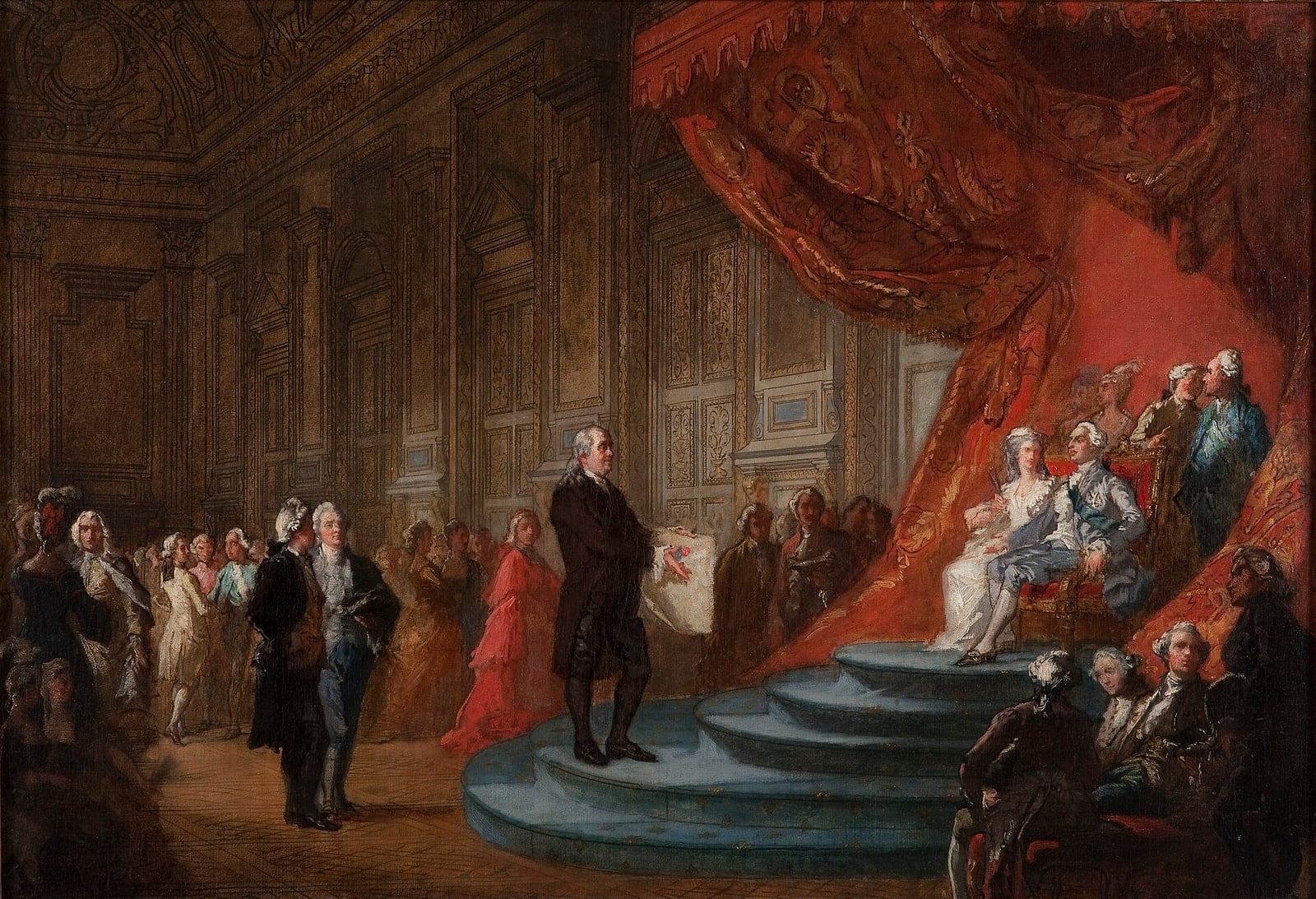
France Signs an Alliance with the United States
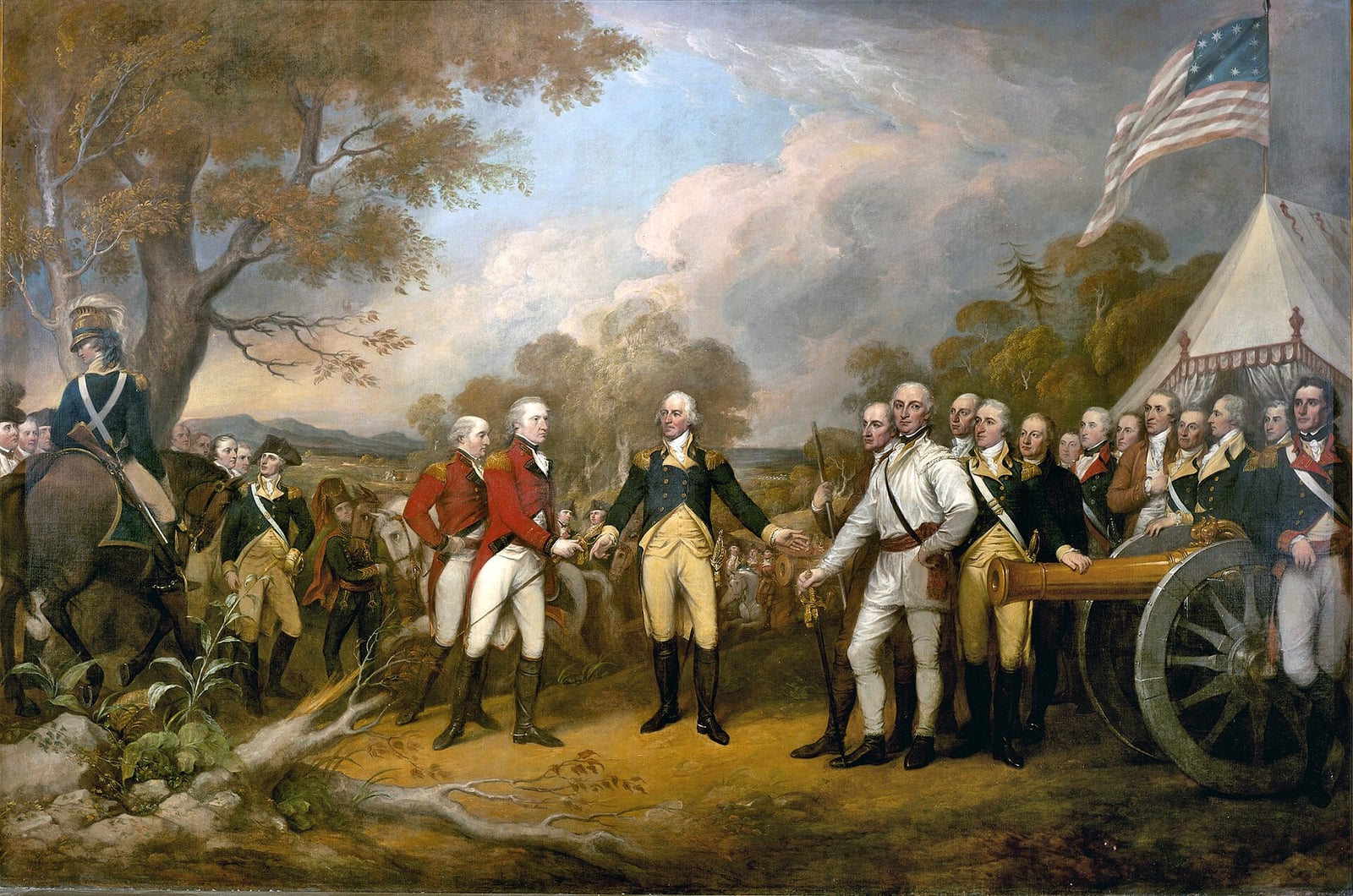
Encouraged by the American victory at Saratoga, France signed treaties of commerce and alliance with the United States, turning a colonial rebellion into a wider war.
On February 6, 1778, delegates of King Louis XVI and the Second Continental Congress met in Paris to conclude two landmark agreements: the Treaty of Amity and Commerce and the Treaty of Alliance. Signed for the United States by Benjamin Franklin, Silas Deane, and Arthur Lee, and for France by Conrad Alexandre Gérard, these accords formalized French recognition of American independence. Through the Treaty of Amity and Commerce, France became the first major European power to recognize the United States in a formal treaty, and the two countries agreed on mutual trade rules.
The diplomatic breakthrough followed years of covert engagement. After suffering heavy territorial losses in the Seven Years' War, French officials had monitored the discontent across the Atlantic with an interest in challenging British primacy. The Continental Congress initially dispatched Franklin and fellow commissioners to secure commerce and indirect support under a framework known as the Model Treaty, which explicitly omitted requests for troops. France provided secret loans and military supplies through clandestine channels, but Foreign Minister Vergennes delayed a binding commitment while the American military position looked weak.

Keep reading in Yester
Coming soonKeep following the story
Sources
Image: George Peter Alexander Healy · Public domain · Wikimedia Commons · cropped
