Sarmiento Writes Facundo Against a Caudillo’s Argentina
In exile in Chile, Domingo Faustino Sarmiento wrote a book about a provincial strongman that became a founding work of Argentine letters.
In May 1845, the Chilean newspaper El Progreso began serializing a work that transformed Spanish American letters. Its author, Domingo Faustino Sarmiento, was an educator and journalist living in Chilean exile after fleeing the authoritarian regime of Juan Manuel de Rosas. Written as a fierce polemic, Civilization and Barbarism: Life of Juan Facundo Quiroga used the biography of a deceased provincial chieftain to anatomize the fractures of post-independence Argentina and mount an urgent political attack against Rosas's rule.
Following the end of Spanish rule in 1810, Argentina fell into decades of internal strife. The primary confrontation pitted Unitarians, who sought a centralized government focused on modernizing institutions, against Federalists, who defended provincial autonomy. Sarmiento, despite his origins in the western interior province of San Juan, allied with the Unitarians. He watched the political landscape succumb to regional caudillos, culminating in the rise of Rosas, a wealthy landowner who governed Buenos Aires from 1829 to 1832 and returned in 1835 with dictatorial authority.

Keep reading in Yester
Coming soonKeep following the story
Sources
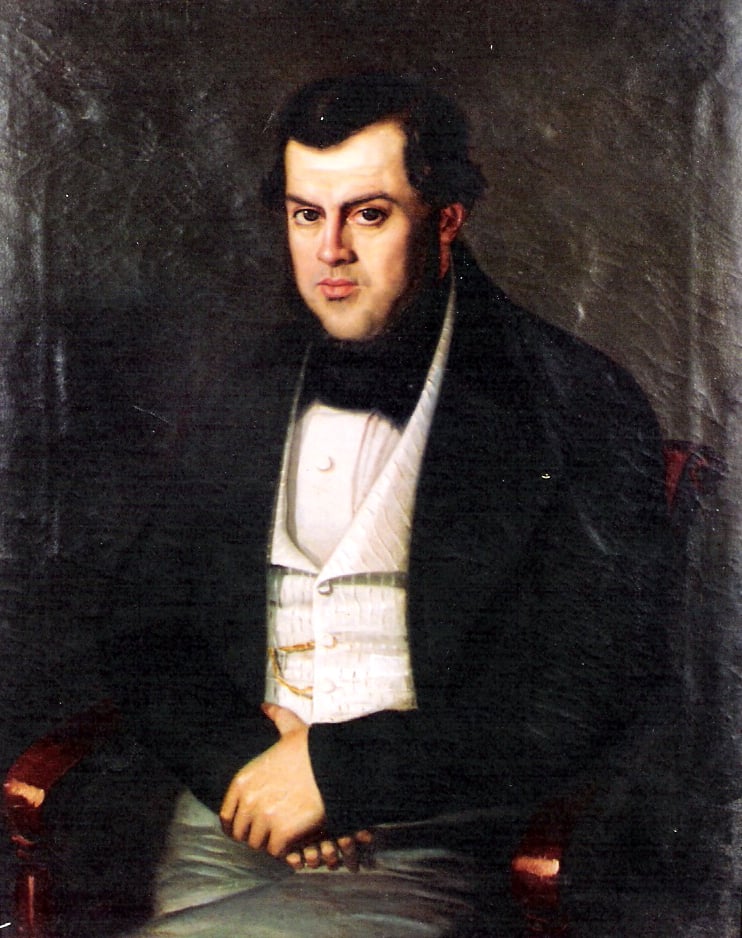
Image: Benjamín Franklin Rawson (1819-1871) · Public domain · Wikimedia Commons · cropped
