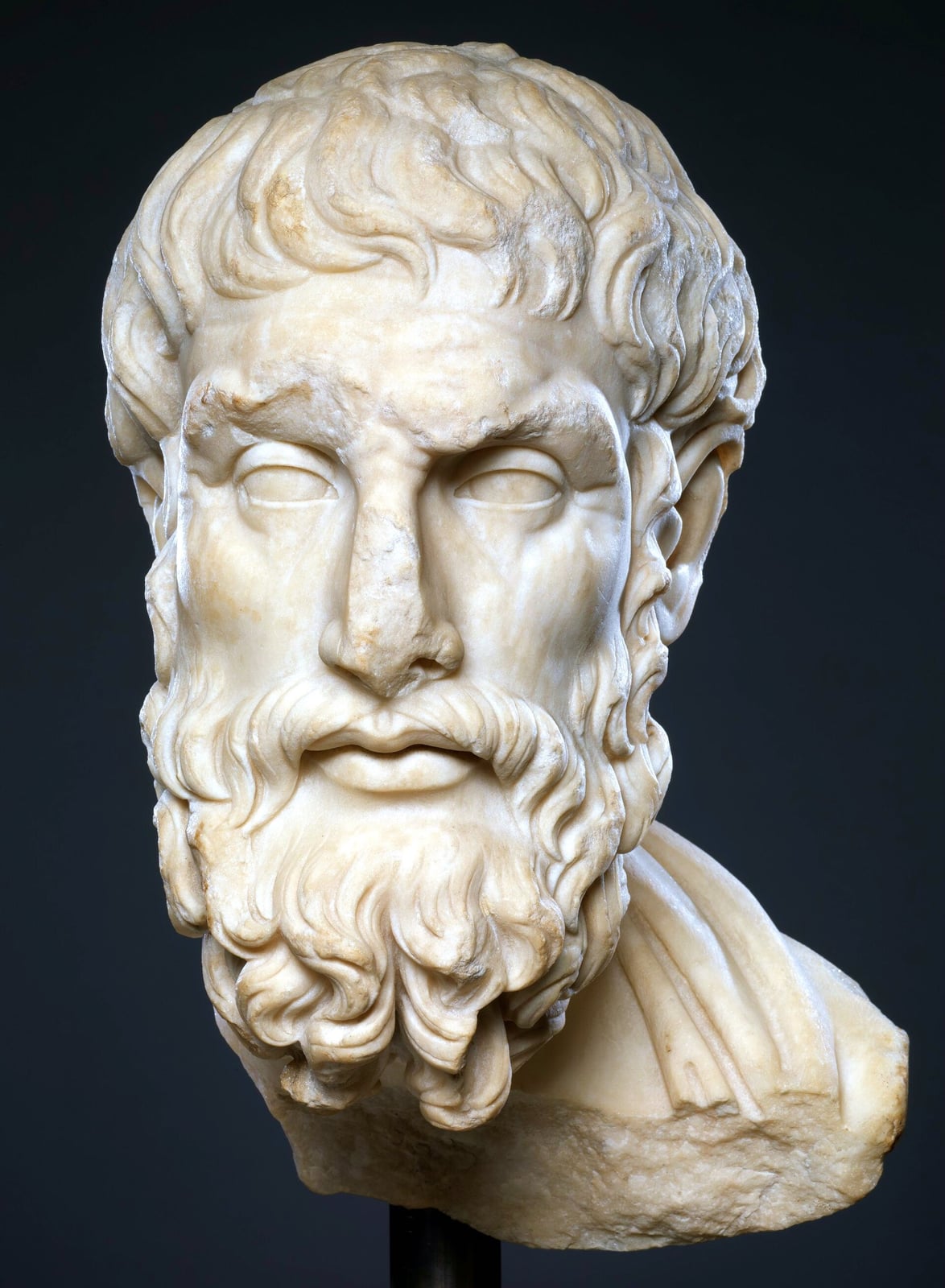
Epicurus Opens a School in a Garden
Epicurus taught that a calm life free of fear of the gods and death was the highest good, and let women and slaves attend.
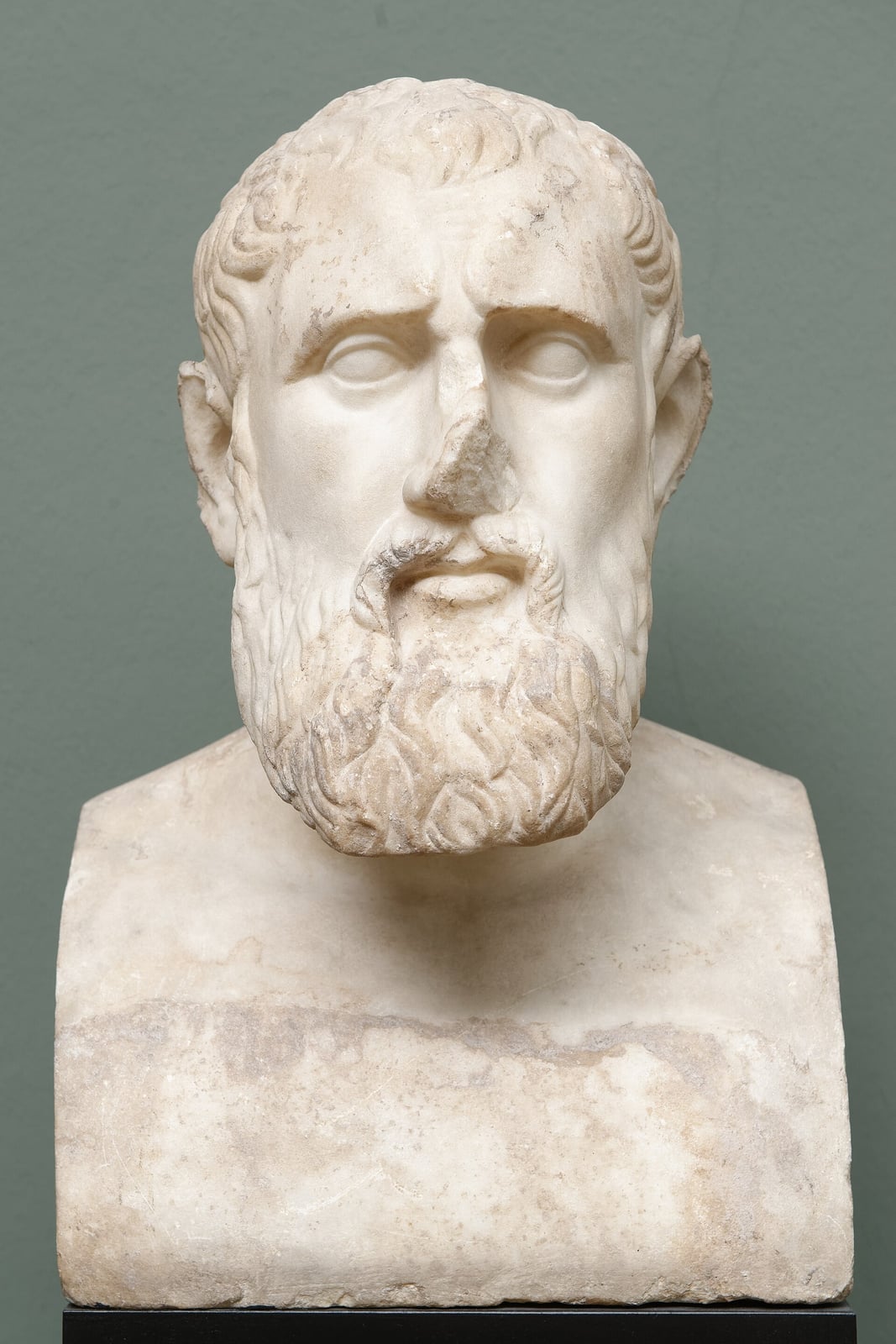
Around 306 BCE, the philosopher Epicurus, an Athenian citizen, settled in Athens and established a school that met on private residential property known as the Garden. Born in 341 BCE and raised in the Athenian colony on the Aegean island of Samos, Epicurus had spent decades traveling, completing civic military duties, and teaching in Mytilene and Lampsacus. His stay in Mytilene was brief, and he soon moved on to Lampsacus, where he gathered followers. Back in Athens, he bought a private house and garden, for eighty minae according to Diogenes Laertius, rather than teaching in a public gymnasium or colonnade. Zeno of Citium would soon teach rival doctrines at the Stoa, a public colonnade in the city.
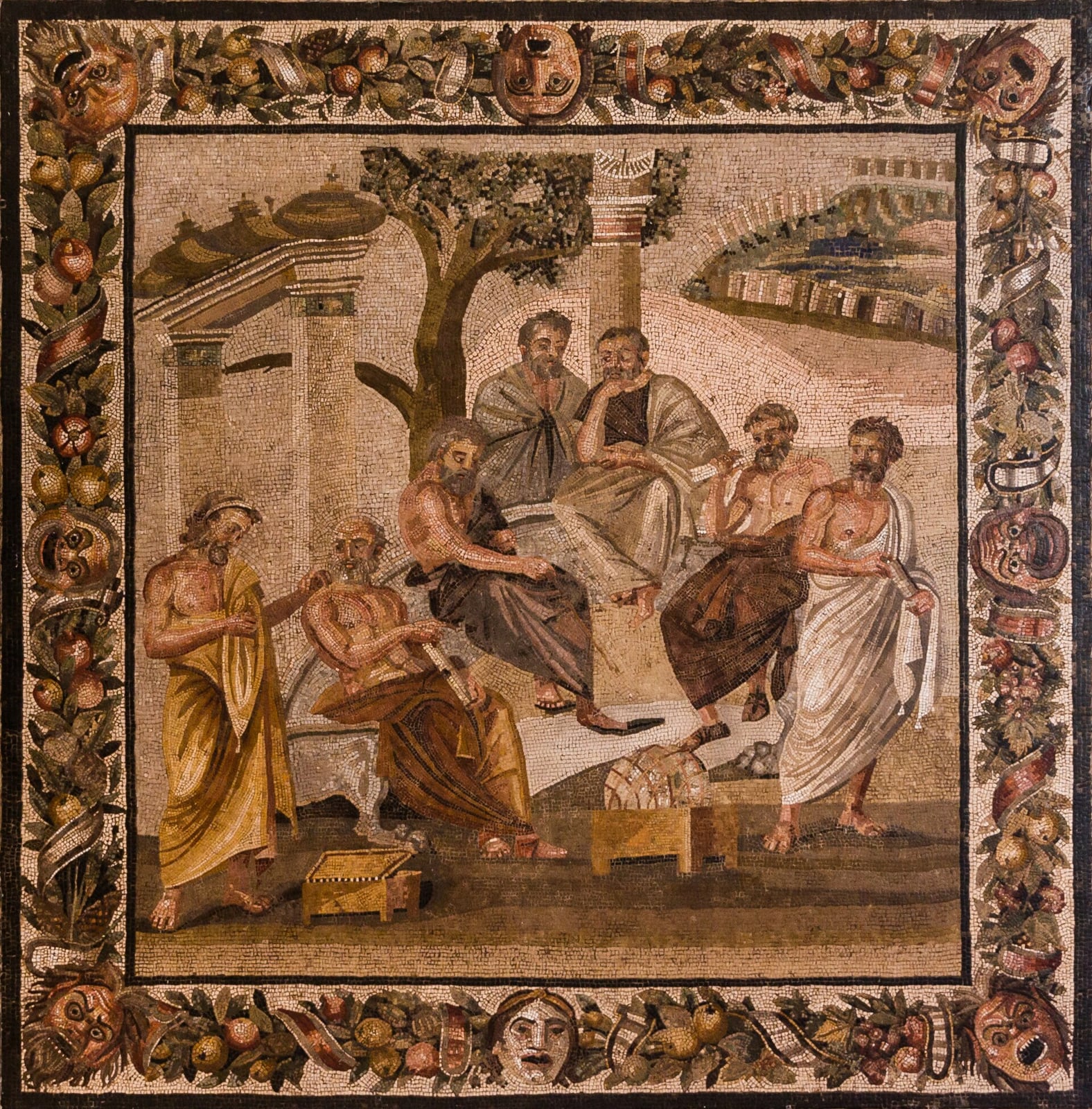
Unlike the established intellectual academies of the Mediterranean, the Garden functioned as an intimate residential community. Friends lived there together, but according to Diogenes Laertius, Epicurus refused to make them pool their property, saying such a rule implied mistrust and that without confidence there is no friendship. Ancient accounts record that the Garden welcomed women into philosophical life, including Themista, Batis, and Leontion, and that his slave Mys studied philosophy alongside him. Rather than cultivating oratorical skill to dominate civic assemblies, Epicurus advised his followers to avoid public offices and political ambitions, insisting that lasting security stemmed from small circles of loyal companions rather than imperial titles or great wealth.

Keep reading in Yester
Coming soonKeep following the story
Sources
Image: Museo Metropolitano de Arte · CC0 · Wikimedia Commons · cropped
