El Sistema Begins Teaching Venezuela’s Poor Children to Play
Eleven young musicians in a Caracas garage grew into a free orchestra program copied in dozens of countries.
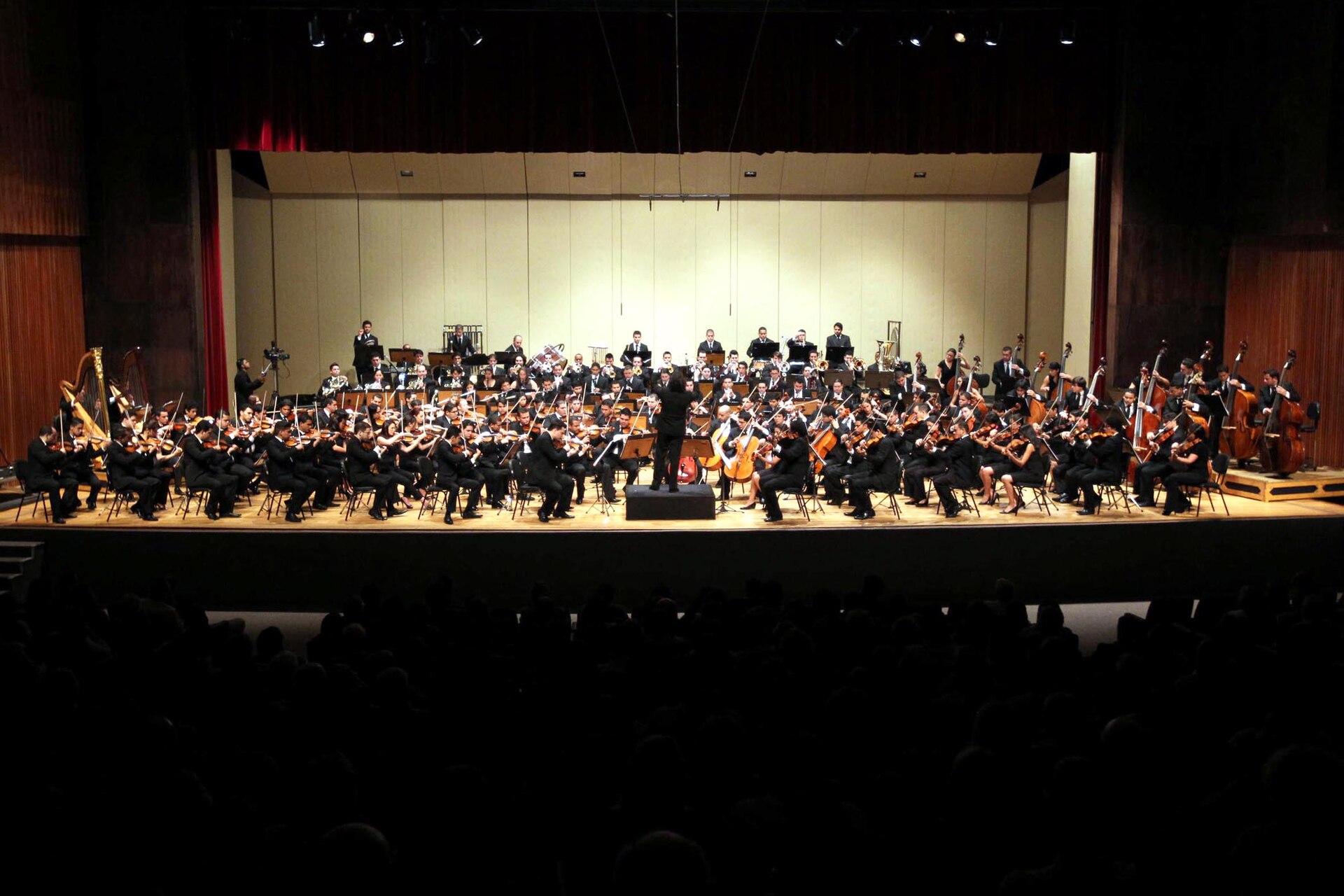
In 1975, Venezuelan educator, musician, and activist José Antonio Abreu gathered eleven young music students in an underground parking garage in Caracas. His initiative, formally established as the National Network of Youth and Children Orchestras of Venezuela, was designed around the principle that collective ensemble performance could serve as an instrument of social development. Rather than prioritizing private, solitary practice, Abreu immersed children directly into group rehearsals from the moment they picked up their instruments. Adopting the motto Tocar y Luchar, or Play and Fight, the organization sought to instil discipline, mutual cooperation, and teamwork through intensive training held after school and on weekends.
The undertaking gained significant momentum after a national youth ensemble achieved international acclaim at an orchestral festival in Aberdeen, Scotland, in 1976. In response, the government of President Carlos Andrés Pérez committed state funding to the program. Unlike many arts initiatives, El Sistema was strategically placed under the administration of social services rather than the ministry of culture. By framing instrumental education as a preventative intervention against juvenile delinquency and substance abuse, Abreu secured steady patronage from successive governments, from the social democratic administrations of the late twentieth century to the leftist presidencies of Hugo Chávez and Nicolás Maduro.

Keep reading in Yester
Coming soonKeep following the story
Sources
- Venezuela: The Triumph of a Musical Adventure (The New York Review of Books)
- The Venezuelan government's newest opponent is a state-funded orchestra (The Conversation)
- The world's music man dead at 78 (MPR News)
- Venezuela's opposition violinist tortured by Chavista dictatorship (Foundation for Economic Education)
- El Sistema
Image: Agecom Bahia from Bahia/Brasil · CC BY 2.0 · Wikimedia Commons · cropped
