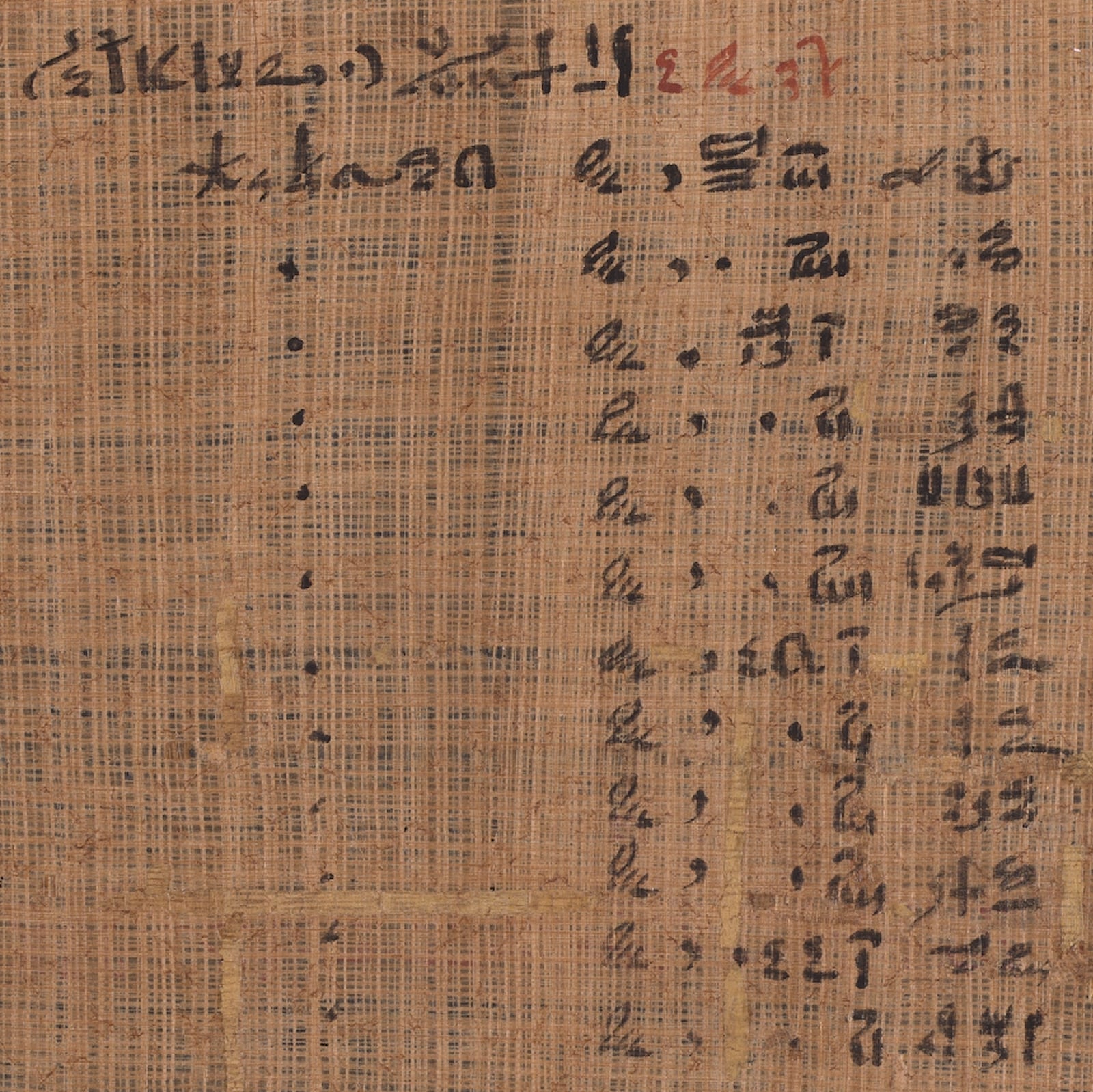
The Ebers Papyrus Records 700 Egyptian Remedies
A 20-metre scroll describes the heart, tumours, depression and treatments from honey to castor oil.
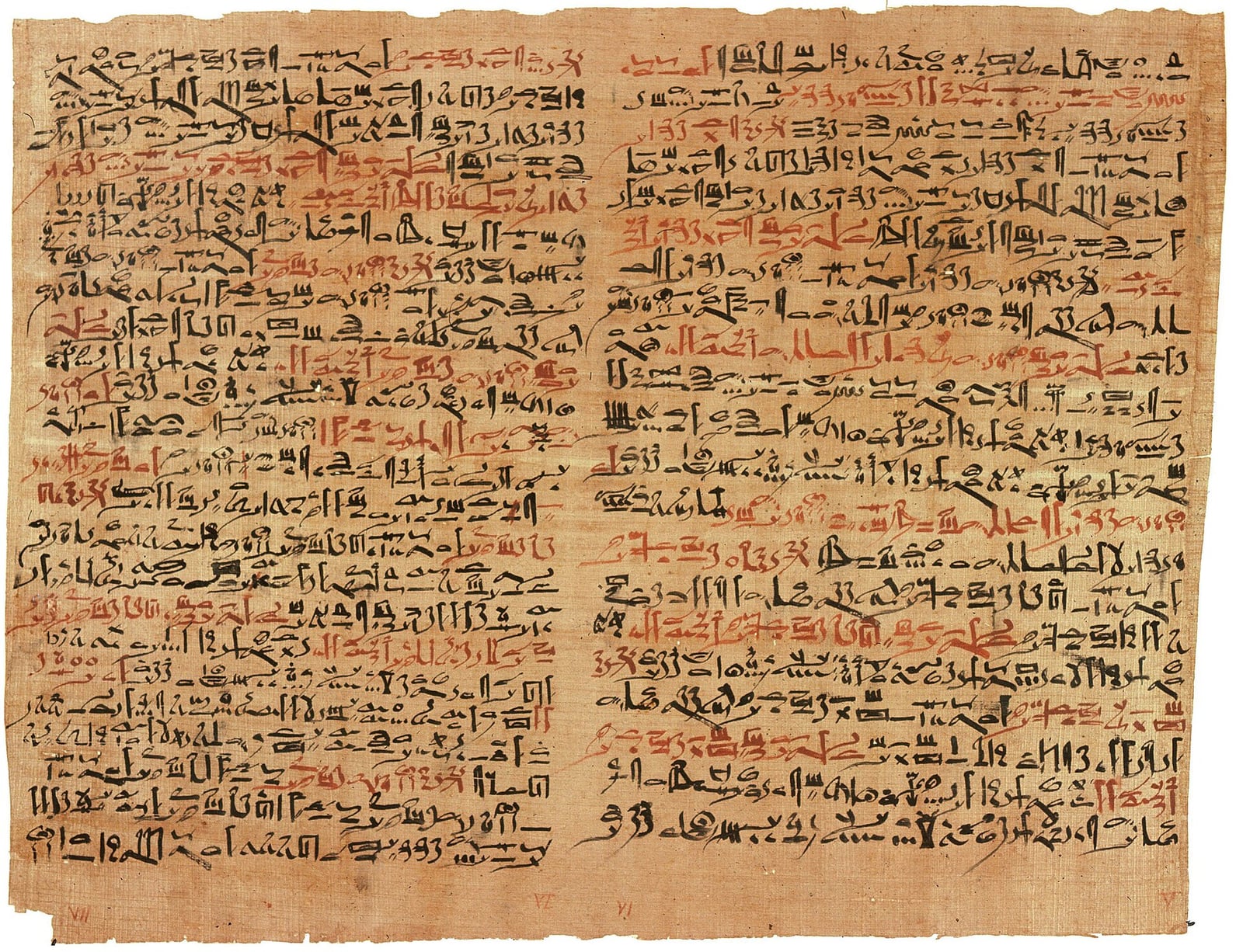
Dating to around 1550 BCE, during the late Second Intermediate Period or early New Kingdom, the Ebers Papyrus constitutes one of the most comprehensive surviving records of ancient Egyptian medical traditions. Although written in the middle of the second millennium BCE, the hieratic text is widely considered by scholars to be a compilation derived from significantly older sources. Preserved across a scroll measuring approximately twenty metres in length and divided into 110 columns, the manuscript brings together hundreds of clinical remedies alongside ritual incantations, reflecting a healthcare tradition where empirical observation operated hand in hand with magical beliefs.
The scope of physical medicine detailed within the roll spans a broad range of human ailments. It contains specialized chapters addressing intestinal diseases, parasitic infections, burns, dentistry, eye conditions, and dermatological complaints, alongside practical instructions for bone-setting and surgical procedures to address tumors and abscesses. Chapters also examine obstetrical and gynecological matters, including contraception and the diagnosis of pregnancy. Rather than seeing a contradiction between spiritual rituals and physical treatments, Egyptian practitioners integrated spoken spells designed to ward off disease-bearing demons directly with pharmaceutical preparations and manual therapies.

Keep reading in Yester
Coming soonKeep following the story
Sources
- Ebers Papyrus (Leipzig University Library)
- The scroll (Papyrus Ebers digital edition, Leipzig)
- Ebers papyrus (Encyclopaedia Britannica)
- Decouverte du papyrus Ebers (Encyclopaedia Universalis)
- Papyrus Ebers: the Earliest Medical Work Extant, H. C. Bolton, 1884 (US National Library of Medicine)
- Ebers Papyrus
Image: ancient Egypt / Scan by Leipzig University · Public domain · Wikimedia Commons · cropped
