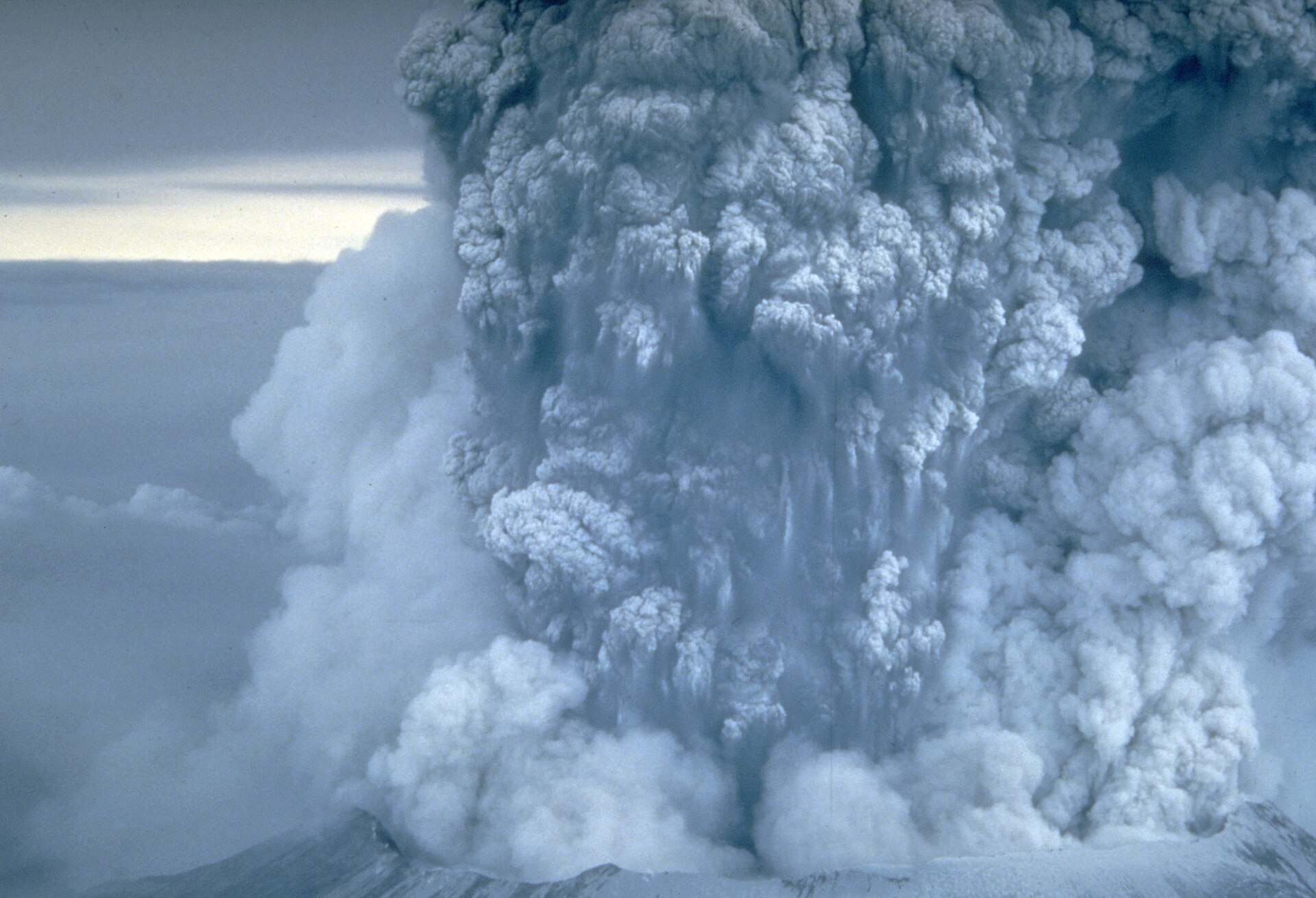
The Morning a Mountain Broke Apart
When Mount St. Helens collapsed and erupted in 1980, it demonstrated that volcanic destruction can strike sideways as well as upward. The catastrophe took dozens of lives, flattened forests, and reshaped modern scientific understanding of volcanic hazards.
In March 1980, earthquakes and steam explosions signaled renewed activity at Mount St. Helens. Scientists began watching the mountain closely, measuring it for even the smallest physical changes. Beneath the visible summit, an active system of pressure, heat, and moving material was already developing.
By the spring of 1980, the north side of the volcano visibly deformed, pushing outward into a pronounced bulge. The bulge was clear evidence that conditions inside the mountain were changing fast. While intensive monitoring identified growing danger, it could not eliminate the fundamental uncertainty over exactly when or how the next major event would unfold.

Keep reading in Yester
Coming soonKeep following the story
Sources
Image: Donald A. Swanson · Public domain · Wikimedia Commons · cropped
