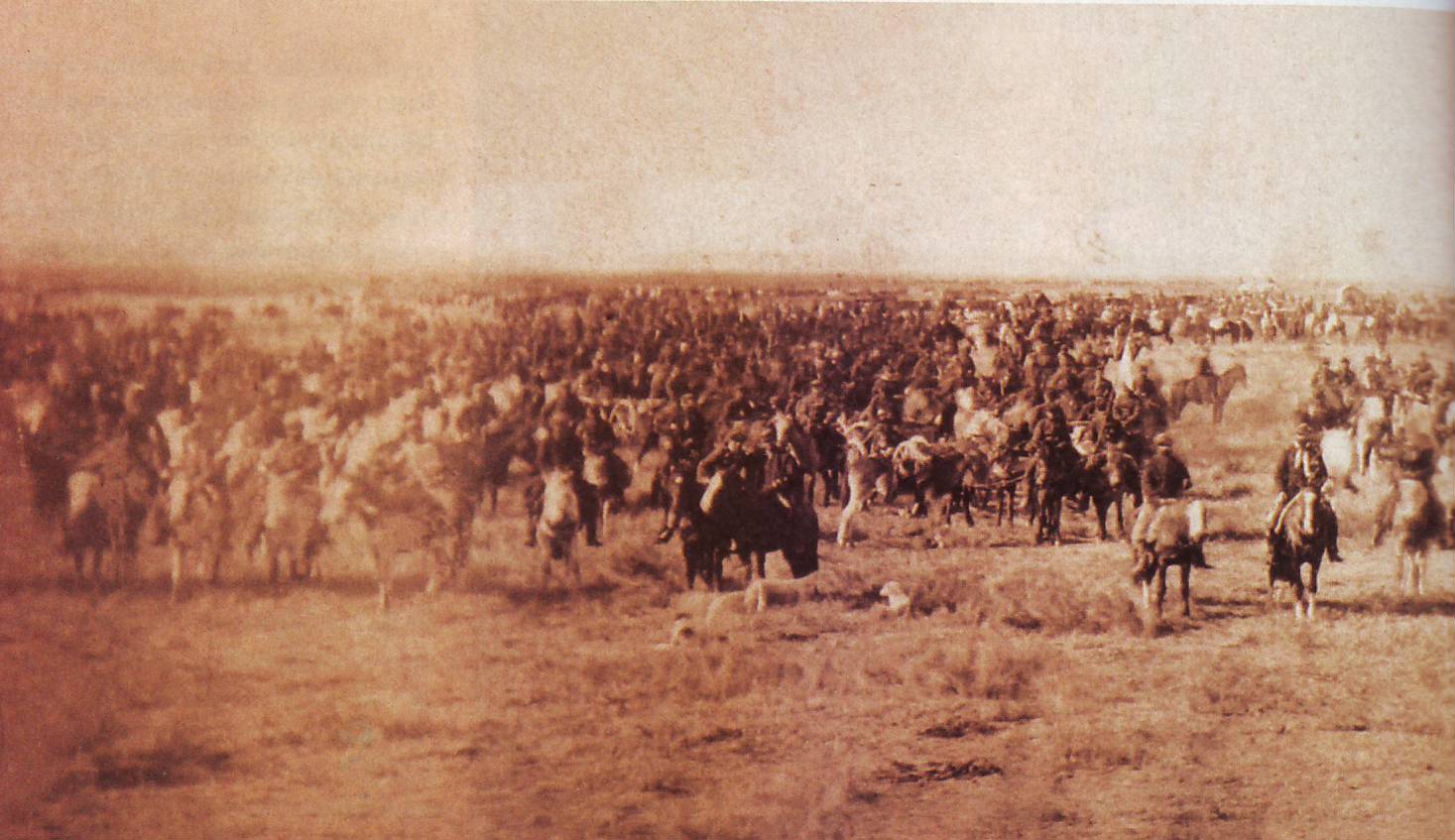
Argentina’s Army Marches on Indigenous Lands in the South
Julio Argentino Roca led campaigns that seized the Pampas and Patagonia from the Indigenous peoples who lived there, including the Mapuche.
During the late nineteenth century, the Argentine state moved decisively to establish military control over the vast expanses of the Pampas and northern Patagonia. The southern frontier had long been shaped by conflicts between settlers and Indigenous peoples, including the Mapuche and other local populations. Across decades, livestock expansion altered traditional hunting grounds, prompting frequent native raids on border settlements to capture cattle and horses, which were driven across mountain trails to be traded in Chile. Striving to open more land for livestock and agriculture, officials in Buenos Aires came to view full military subjugation of the southern territories as an urgent national priority.
Early attempts to manage the boundary relied on defensive measures. In the mid-1870s, Adolfo Alsina, Minister of War under President Nicolas Avellaneda, favored an incremental strategy designed to enclose the frontier rather than wipe out the native populations. His plan integrated telegraph networks with a defensive network of outposts and a massive ditch known as the zanja de Alsina. Stretching along much of the frontier, this trench aimed to block fast cattle drives by Indigenous raiding parties. However, repeated incursions led by prominent chieftains like Manuel Namuncura exposed the limitations of static defense, demonstrating that border forts could neither deter wide-ranging native forces nor prevent devastating attacks.

Keep reading in Yester
Coming soonKeep following the story
Sources
Image: Antonio Pozzo (Fallecido en 1910) · Public domain · Wikimedia Commons · cropped
