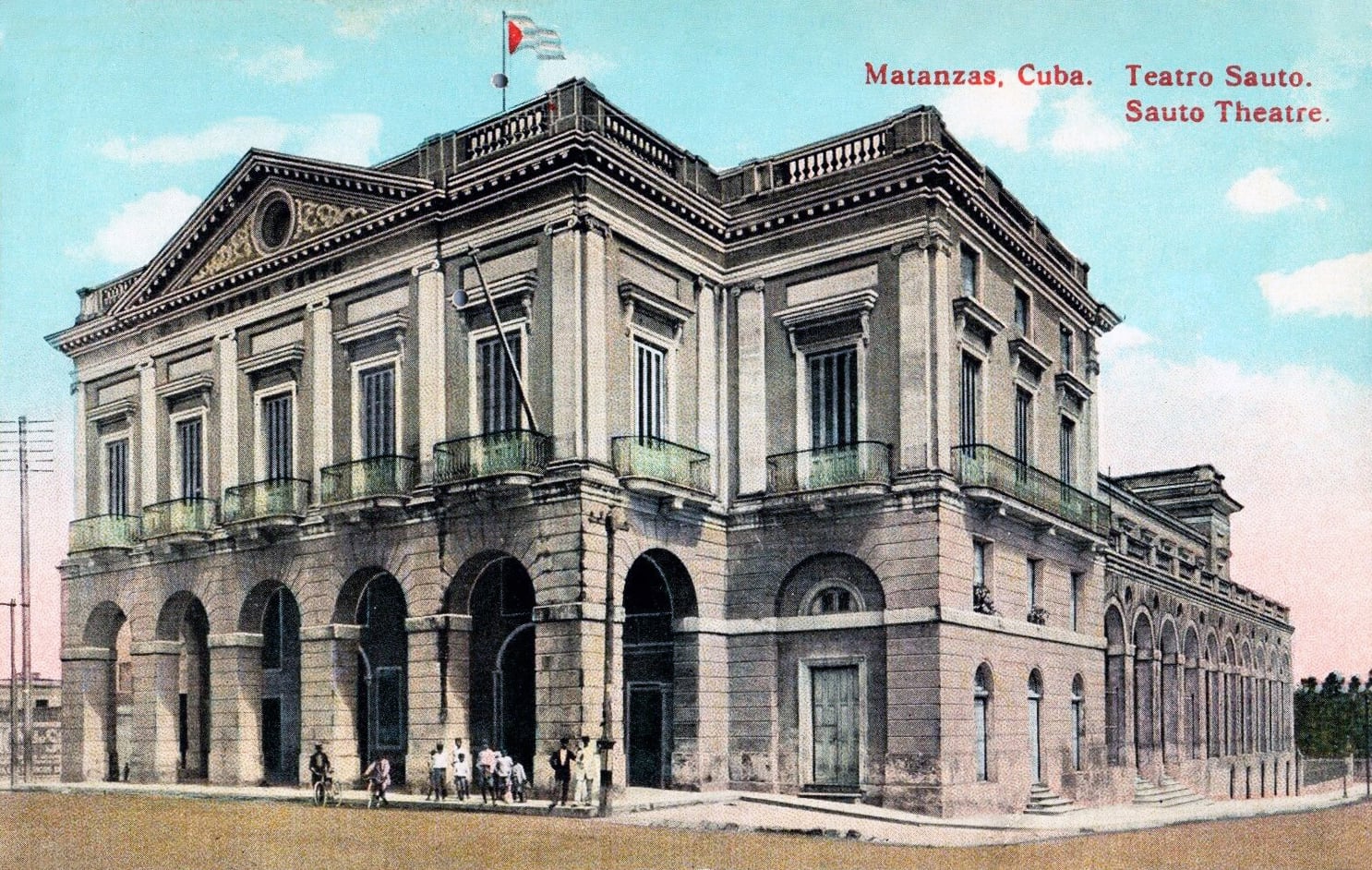
Miguel Failde Premieres the First Danzón in Matanzas
An Afro-Cuban bandleader’s new dance became Cuba’s national dance and the root of mambo and cha-cha-chá.
In 1879, the cornetist and bandleader Miguel Failde introduced his composition Las alturas de Simpson in the Cuban city of Matanzas. Leading the Orquesta Failde, he presented a slower, measured sequence dance that diverged sharply from existing ballroom customs. Although the name danzon had appeared in Cuba as early as the 1850s to describe coordinated group figure dances performed with flower arches and ribbons by Black carnival comparsas, Failde transformed these communal patterns into a refined social form. His piece marked the arrival of a distinctive musical genre that would soon dominate the island.
The musical roots of the danzon lay in the Cuban contradanza, also known as the habanera or danza criolla. This earlier form had developed from European country dances, which were introduced through centuries of Spanish rule and possibly reinforced during the temporary British occupation of Havana in 1762. In the late eighteenth and early nineteenth centuries, refugees fleeing the revolution in Saint-Domingue brought French-Haitian traditions that contributed further rhythmic syncopation. In Cuban ballrooms, these European floor patterns coalesced with African rhythmic elements, establishing an organizing framework rooted in sub-Saharan traditions and creating staggered cinquillo and tresillo motifs.

Keep reading in Yester
Coming soonKeep following the story
Sources
Image: Edicion Jordi, Havana (publisher) · Public domain · Wikimedia Commons · cropped
