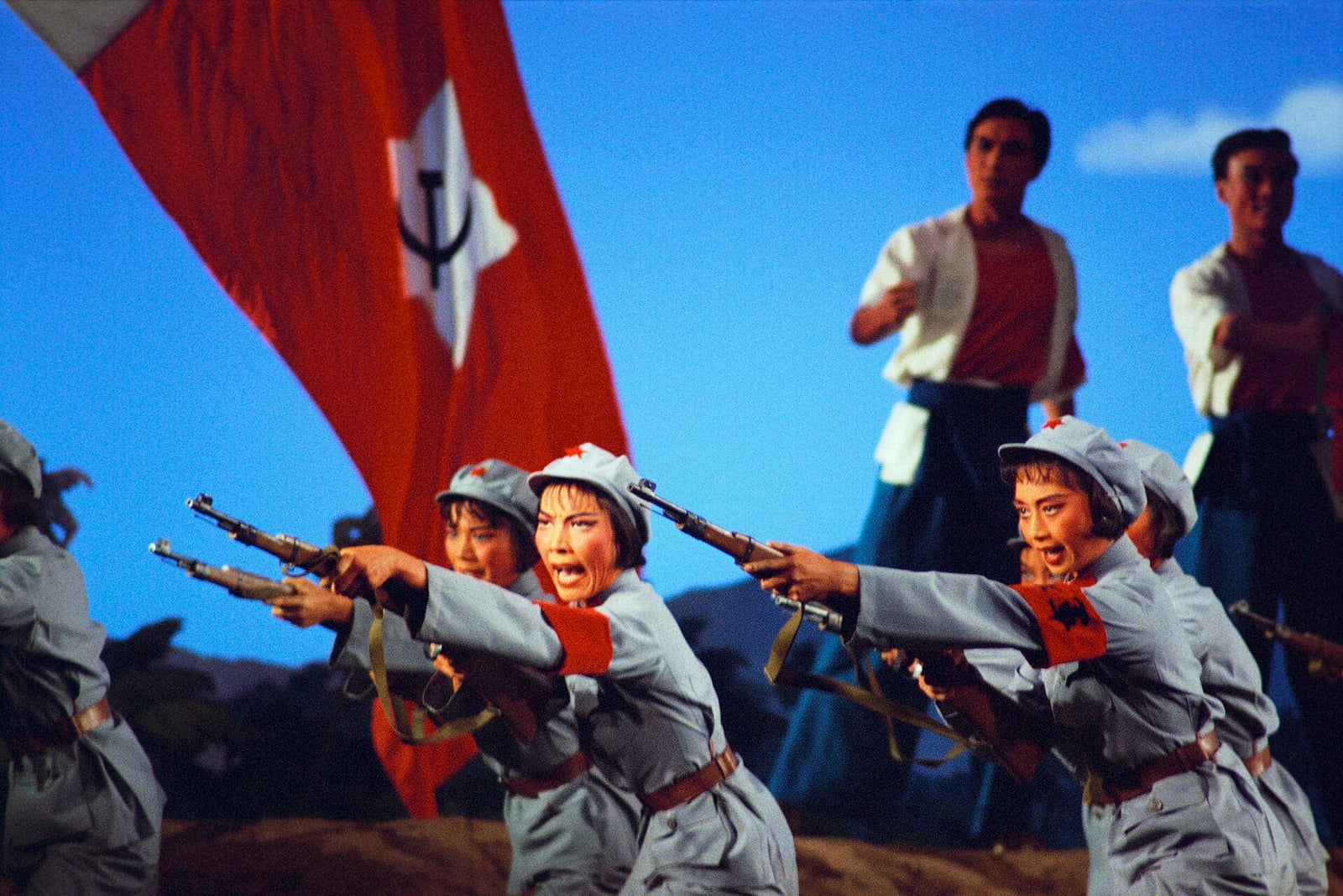
Mao Launches the Cultural Revolution
A decade of purges, Red Guard violence and closed schools upended China in the name of revolutionary purity.
On 16 May 1966, an expanded session of the Chinese Communist Party Politburo approved an official circular condemning senior officials and dissolving the Five Man Group that had monitored cultural affairs. Prepared under the direct supervision of Mao Zedong, the notification warned that counterrevolutionary revisionists representing the bourgeoisie had secretly infiltrated the party, government, armed forces, and cultural bodies. By replacing the old administrative apparatus with the Cultural Revolution Group, Mao unleashed a mass political campaign designed to purge perceived class enemies and prevent what he characterized as a capitalist restoration.
Tensions within the leadership had sharpened following the economic devastation of the Great Leap Forward, after which Mao stepped back from day-to-day economic management in the early 1960s, leaving it to colleagues such as Liu Shaoqi and Deng Xiaoping. Mao increasingly suspected party moderates of deviating from communist principles, especially after Soviet premier Nikita Khrushchev repudiated Josef Stalin and initiated economic changes. Viewing these developments as dangerous revisionism, Mao sought to maintain perpetual class struggle to protect the revolutionary state established after the 1949 proclamation of the People's Republic of China.

Keep reading in Yester
Coming soonKeep following the story
Sources
Image: White House photo by Byron Schumaker · Public domain · Wikimedia Commons · cropped
