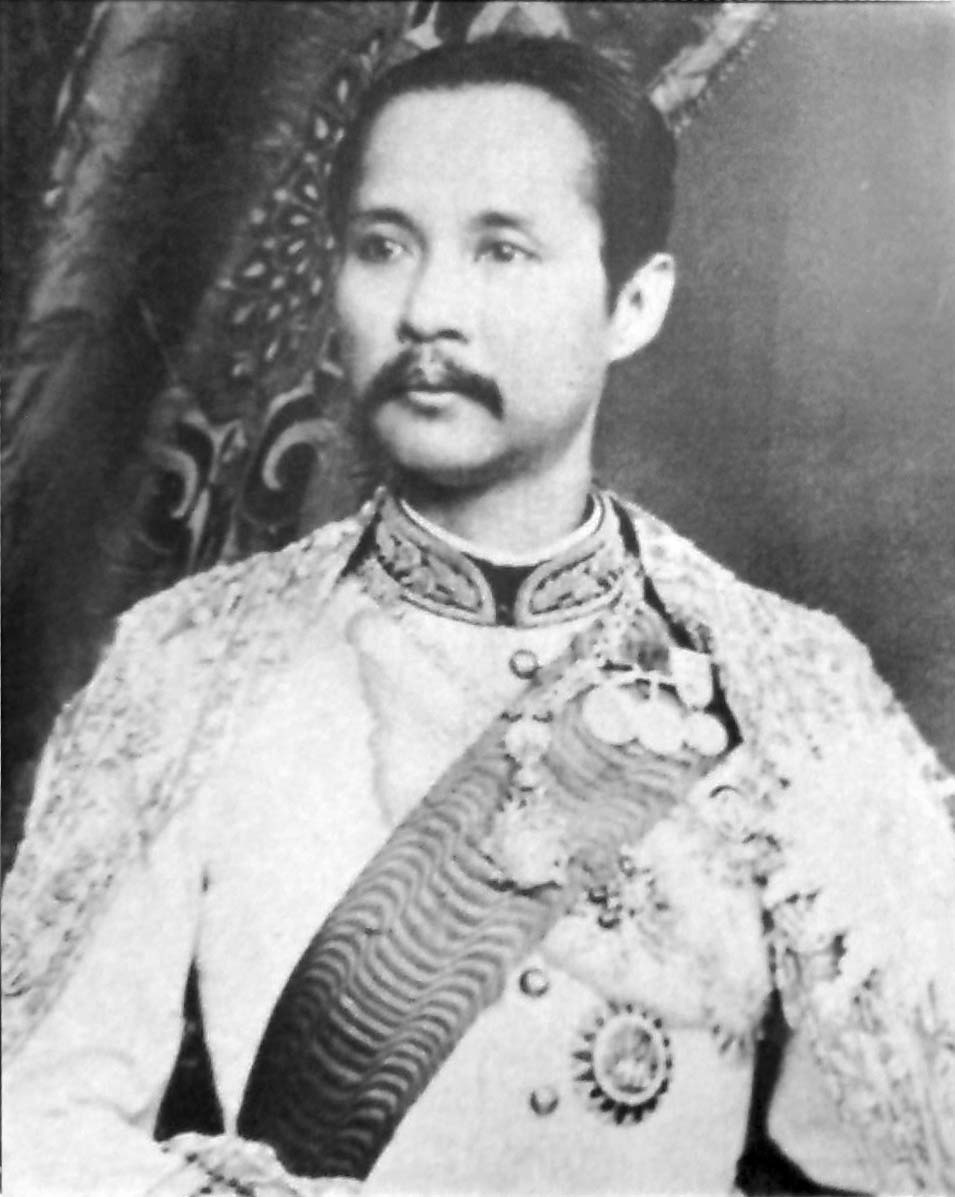
King Chulalongkorn Ends Slavery in Siam
After three decades of gradual reforms, a royal act ended slavery in Siam step by step, without a civil war.
When King Chulalongkorn inherited the throne of Siam in 1868, bound labour formed the bedrock of the kingdom's social and economic hierarchy. Traditional obligations were deeply entrenched across the population, dividing common men into categories of compulsory corvée labour while consigning vast numbers of impoverished subjects to hereditary or debt servitude. When Chulalongkorn became king, an estimated one-third of the Siamese population lived in some form of servitude. Unlike systems based solely on capture, Siamese servitude frequently stemmed from economic necessity, as struggling families sold themselves to aristocratic patrons or surrendered personal liberty after defaulting on loans to wealthy lenders.
The young monarch, reigning as Rama V, was acutely conscious of international upheavals and feared the domestic disruption of sudden emancipation. According to later accounts, he linked the swift abolition of chattel slavery in the United States to the bloodshed of the American Civil War. Determined to avoid a similar conflict within Siam, Chulalongkorn resolved to dismantle servitude through a phased, decades-long policy of gradual legal adjustments. Rather than attempting an overnight decree of universal emancipation that would provoke the ruling class, his administration sought to ease the transition for both wealthy masters and the labourers who possessed no land or capital.

Keep reading in Yester
Coming soonKeep following the story
Sources
- King Chulalongkorn Day (Royal Thai Consulate-General, Munich)
- How King Chulalongkorn Modernized Siam and Abolished Slavery Without Bloodshed (Seasia.co)
- Siamese Slavery: the Institution and Its Abolition (University of Michigan, Deep Blue)
- Chulalongkorn's Reforms (Library of Congress Country Studies, via countrystudies.us)
- Chulalongkorn
Image: Unknown author · Public domain · Wikimedia Commons · cropped
