John Chilembwe Leads a Rising Against Colonial Rule in Nyasaland
A Baptist minister educated in the United States led a short armed rising against plantation abuses and wartime conscription.
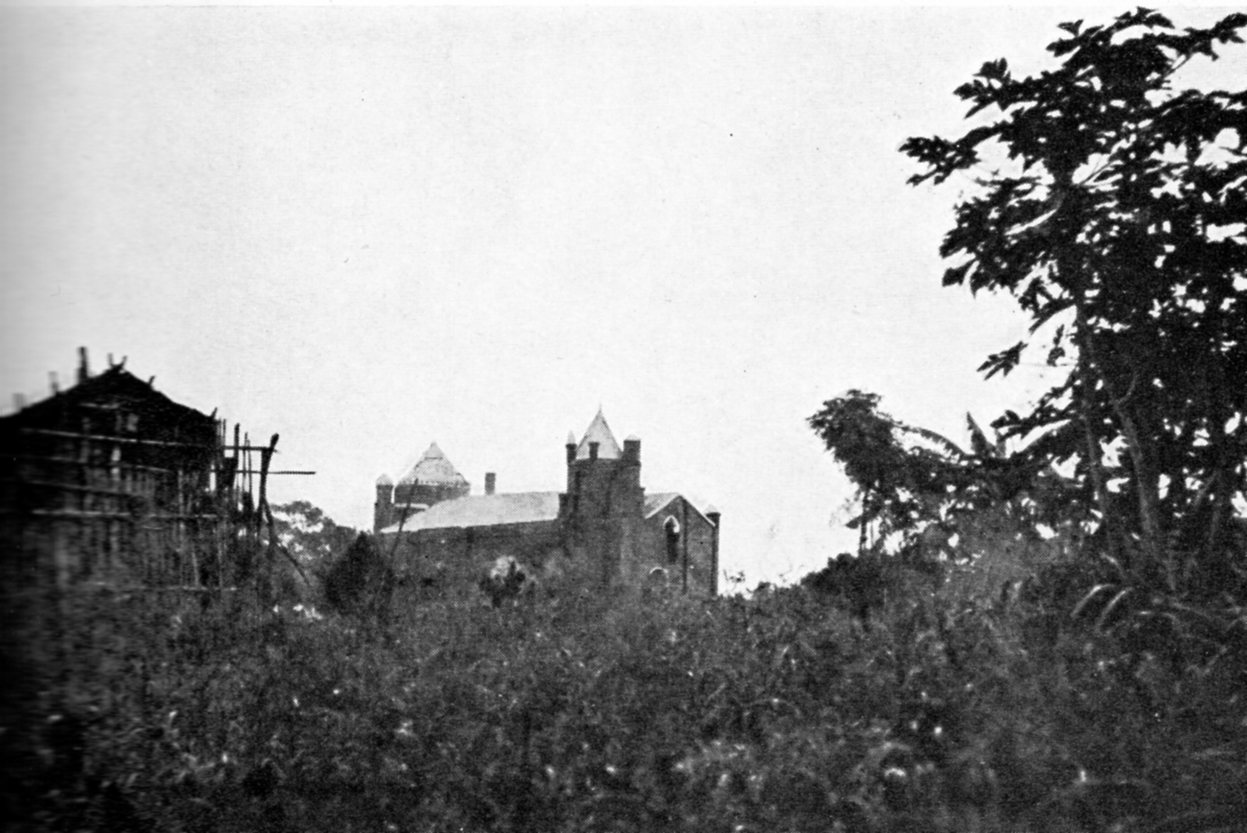
On the night of 23 January 1915, armed rebels gathered at an independent Baptist mission church in the village of Mbombwe, in the southern Shire Highlands of Nyasaland. Their leader was John Chilembwe, an American-educated minister who had spent over a decade establishing schools, agricultural plots, and independent congregations for indigenous Africans. Chilembwe was reported to have said that his followers should strike a blow and die, because their blood would surely mean something at last.
The grievances feeding the uprising had mounted over decades. In Nyasaland, established as a British protectorate in the late nineteenth century, European colonists had acquired extensive tracts of fertile land to develop commercial plantations of tea, coffee, cotton, and tobacco. To satisfy estates with labour, colonial authorities enforced taxes that coerced local residents into plantation work. This arrangement hardened into the thangata system, where tenants were compelled to provide labour rent in kind. On the Bruce estates, labour demands fell heavily in the growing season and left tenants little time to tend their own food crops, while wages were withheld or underpaid and workers were often coerced with violence.

Keep reading in Yester
Coming soonKeep following the story
Sources
Image: Unknown, government source · Public domain · Wikimedia Commons · cropped
