Chang’e 6 Brings Home the First Rocks from the Moon’s Far Side
China’s probe scooped soil from the Apollo basin and returned it to Earth after a 53-day mission.
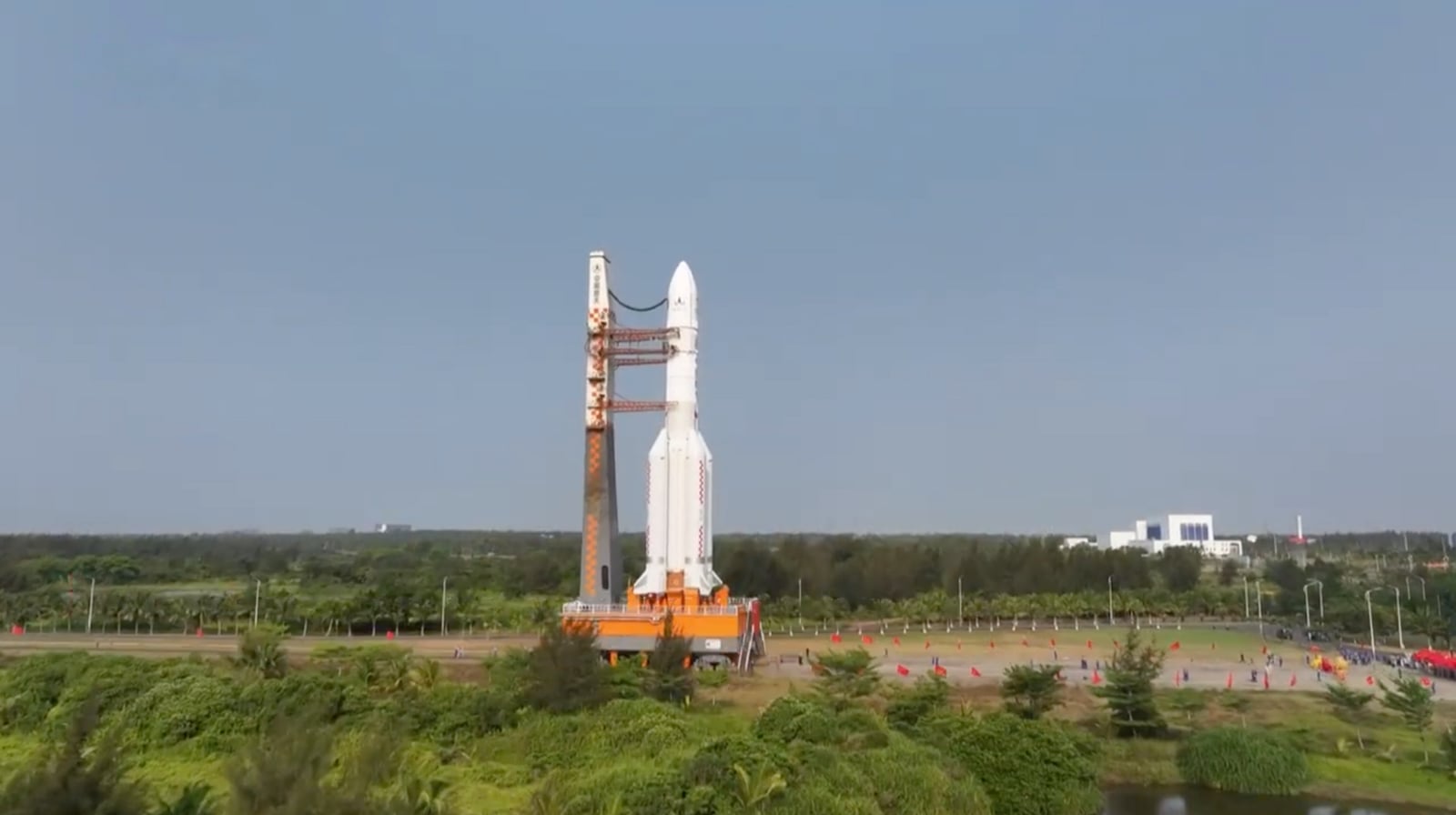
On 25 June 2024, a small atmospheric re-entry capsule descended beneath a parachute onto the grasslands of Siziwang Banner in Inner Mongolia, China. Shortly afterwards, recovery teams in helicopters and off-road vehicles reached the touchdown site to secure the container. Inside lay 1,935.3 grams of rock and regolith retrieved from the lunar far side. All previous lunar surface materials collected during robotic and crewed space flights had come exclusively from the near side facing Earth. The return marked the completion of a complex, fifty-three-day journey that began with a launch on 3 May 2024 from the Wenchang Space Launch Site on Hainan Island.
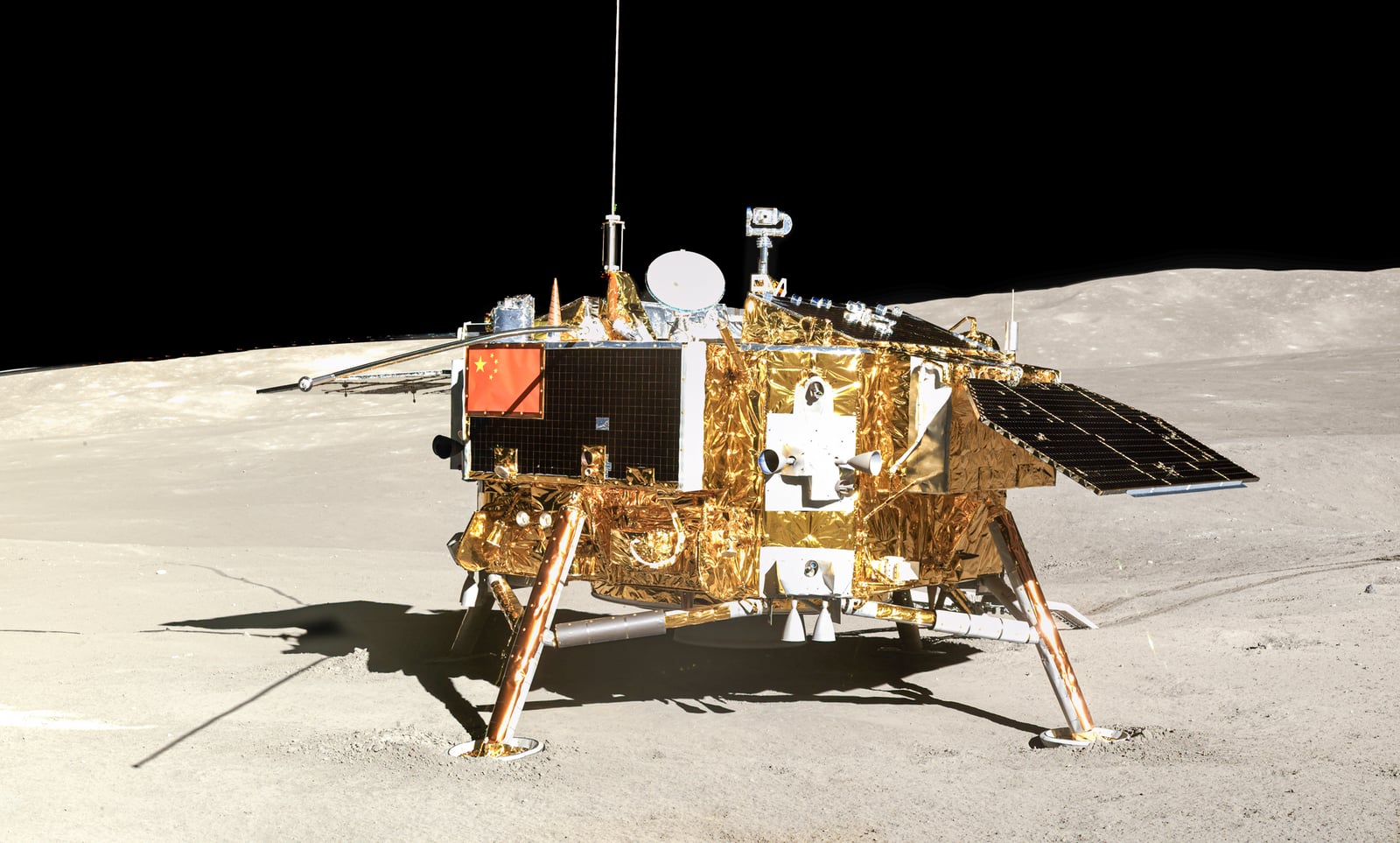
Chang'e 6 was organized under the Chinese Lunar Exploration Program as the second mission tasked with retrieving surface material, following the near-side sample return of Chang'e 5 in 2020. Built largely as a copy of and backup to that earlier spacecraft, the mission architecture consisted of four major components: an orbiter, a lander, an ascender vehicle, and an Earth re-entry capsule. Together, the stacked spacecraft had a launch mass of more than 8,000 kilograms. It followed earlier milestones in the multi-phase program, including the initial far-side landing achieved by Chang'e 4 in 2019.

Keep reading in Yester
Coming soonKeep following the story
Sources
Image: 中国新闻社 · CC BY 3.0 · Wikimedia Commons · cropped
