Bolivia and Paraguay Go to War over the Chaco
South America’s bloodiest war of the century was fought in a waterless scrubland believed to hold oil.
On June 15, 1932, a Bolivian detachment seized and burned Fortin Carlos Antonio Lopez at Pitiantuta Lake, violating orders from Bolivian President Daniel Salamanca to avoid open confrontation. Although a Paraguayan force retook the post a month later, Salamanca altered his stance and commanded the capture of additional outposts, including Fortin Boqueron. The breakdown of this delicate balance escalated border friction into open warfare over the northern Gran Chaco, plunging two landlocked nations into the bloodiest conflict fought in South America during the twentieth century.
The root of the struggle lay in decades of unresolved boundary claims combined with the commercial quest for navigable waters. Bolivia had lost its Pacific coastline during the War of the Pacific, and the 1929 Treaty of Lima definitively eliminated its hope of securing a sovereign land route to the ocean. Desperate for trade access to the Atlantic through the Paraguay River, Bolivian authorities staked their claims on colonial administrative boundaries. Paraguay, having suffered catastrophic territorial reductions in the nineteenth century, relied on the river for survival. It reinforced its legal arguments by highlighting active settlements of cattle ranchers, timber enterprises, and Mennonite colonies.

Keep reading in Yester
Coming soonKeep following the story
Sources
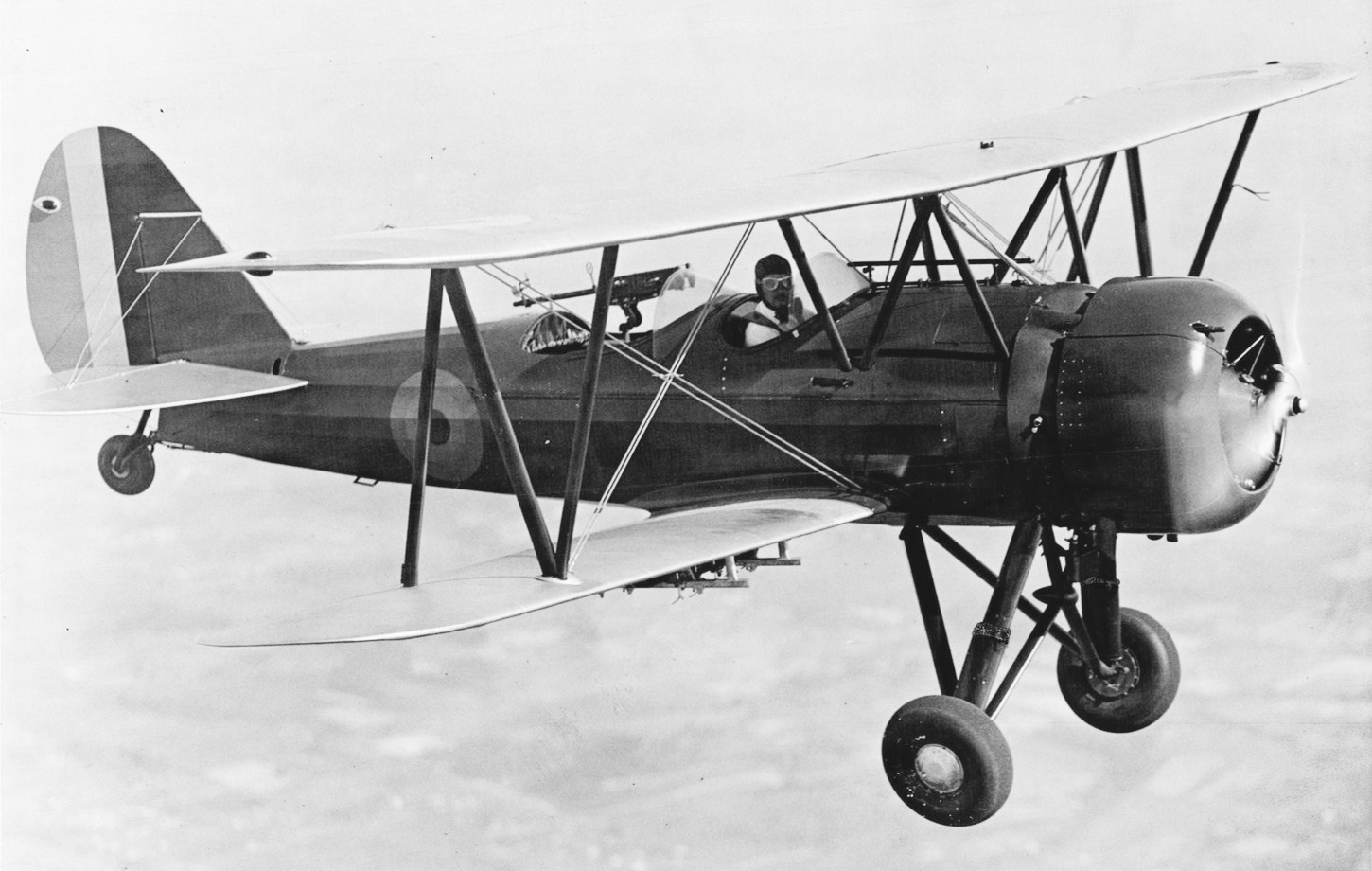
Image: Unknown official photographer · Public domain · Wikimedia Commons · cropped
