Peru Abolishes Slavery and the Indigenous Tribute
During a civil war, Ramón Castilla decreed freedom for enslaved people, paying owners from the country’s guano wealth.
On December 3, 1854, in the highland city of Huancayo, Ramón Castilla issued a decree ending slavery in Peru while leading a liberal rebellion against the government of José Rufino Echenique. The measure struck at an entrenched social order that relied heavily on coerced agricultural and domestic labor. Five months earlier, on July 5, 1854, Castilla had abolished the indigenous tribute, an enduring colonial tax levied directly on native communities. By combining military mobilization with sweeping civil decrees, Castilla positioned his insurgent administration as an agent of broad social reform.
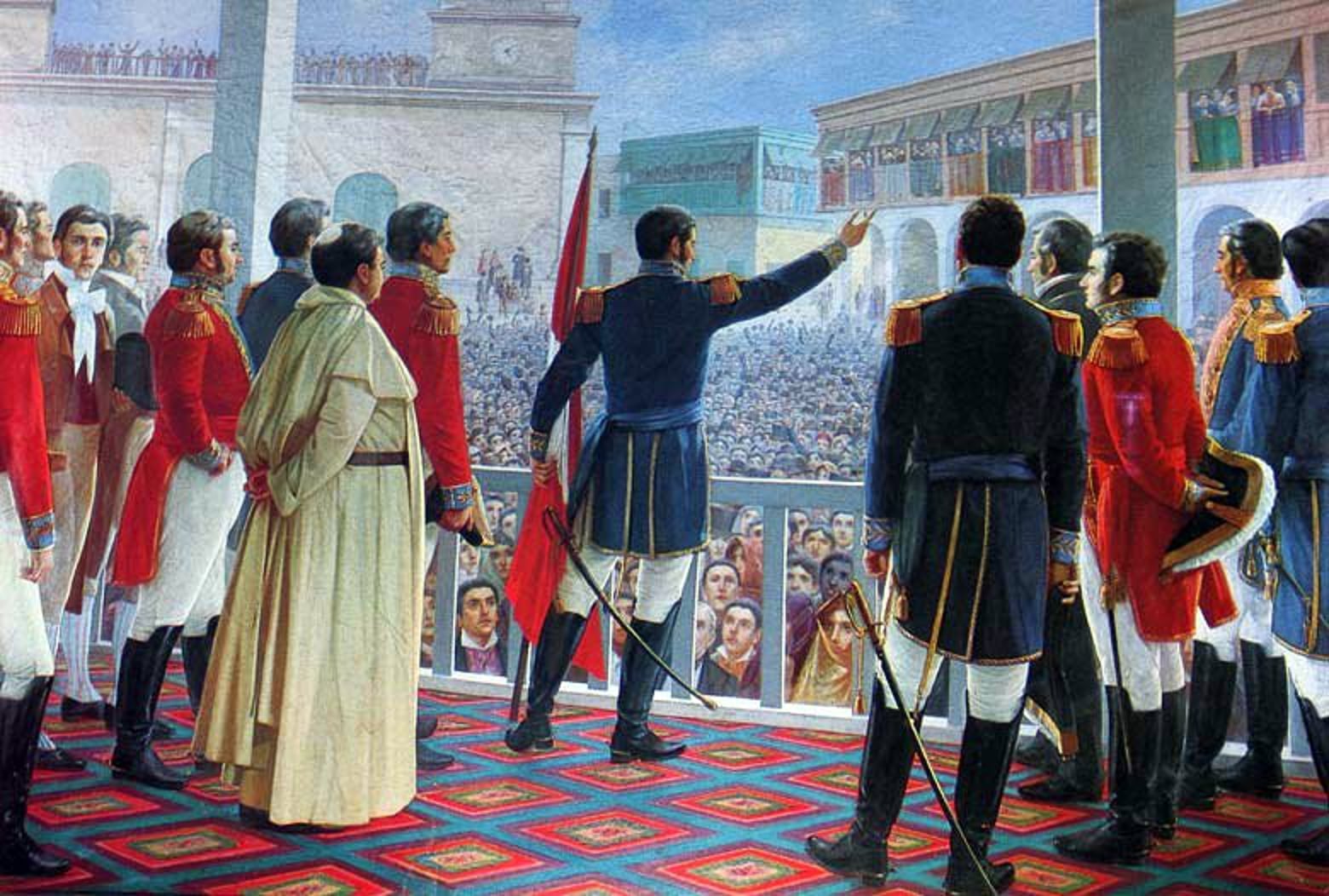
Castilla had first risen to national prominence through the conflicts that defined post-independence South America. After starting his career in the Spanish royalist ranks and experiencing capture in Chile, he transferred his allegiance to the independence cause in 1822. He fought in the decisive Battle of Ayacucho in 1824. Over the following years, Castilla took part in the turbulent rivalries and coups among competing military commanders, serving as a prefect and later as a minister under President Agustín Gamarra.

Keep reading in Yester
Coming soonKeep following the story
Sources
- Día de la Abolición de la Esclavitud en el Perú (SerPeruano)
- 03 de Diciembre, Día de la Abolición de la Esclavitud en el Perú (DePerú)
- Ramón Castilla (Historia del Perú)
- El Decreto de Huancayo y el fin de la esclavitud de los negros en el Perú (El Regional de Piura)
- Guano Industry (Encyclopedia.com)
- Ramón Castilla
Image: Unknown author · Public domain · Wikimedia Commons · cropped
