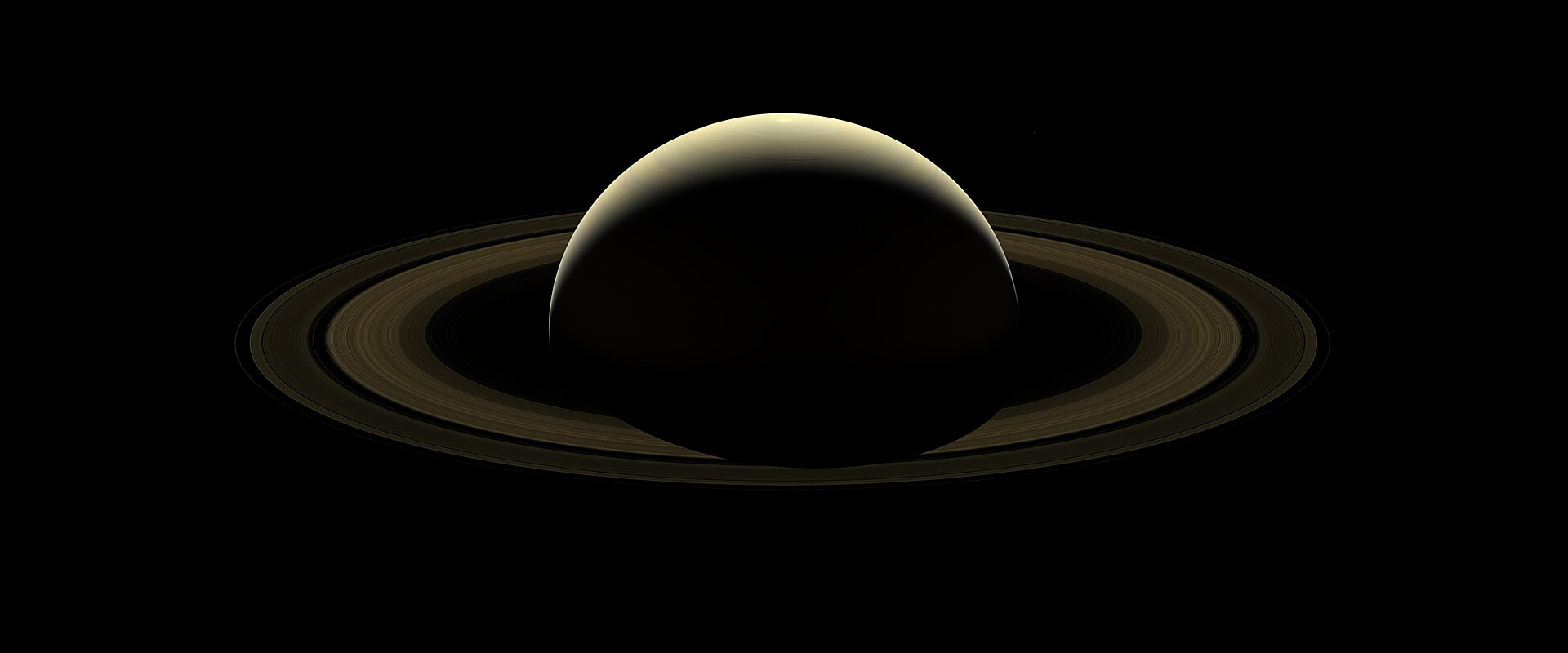
Cassini Ends Its Mission with a Dive into Saturn
After thirteen years in orbit, the probe was steered into the planet so it could never contaminate its moons.
On September 15, 2017, the robotic spacecraft Cassini plummeted into the upper atmosphere of Saturn, terminating a twenty-year journey across the Solar System. Its final signal reached Earth at 11:55:46 UTC, and NASA estimated that the spacecraft broke apart about forty-five seconds after sending it, overwhelmed by heat and friction. Rather than allowing the exhausted orbiter to wander uncontrollably, flight controllers deliberately directed it into the gas giant. This calculated destruction eliminated any danger of an eventual collision with moons like Titan or Enceladus, protecting potential alien microbial habitats from inadvertent terrestrial contamination.
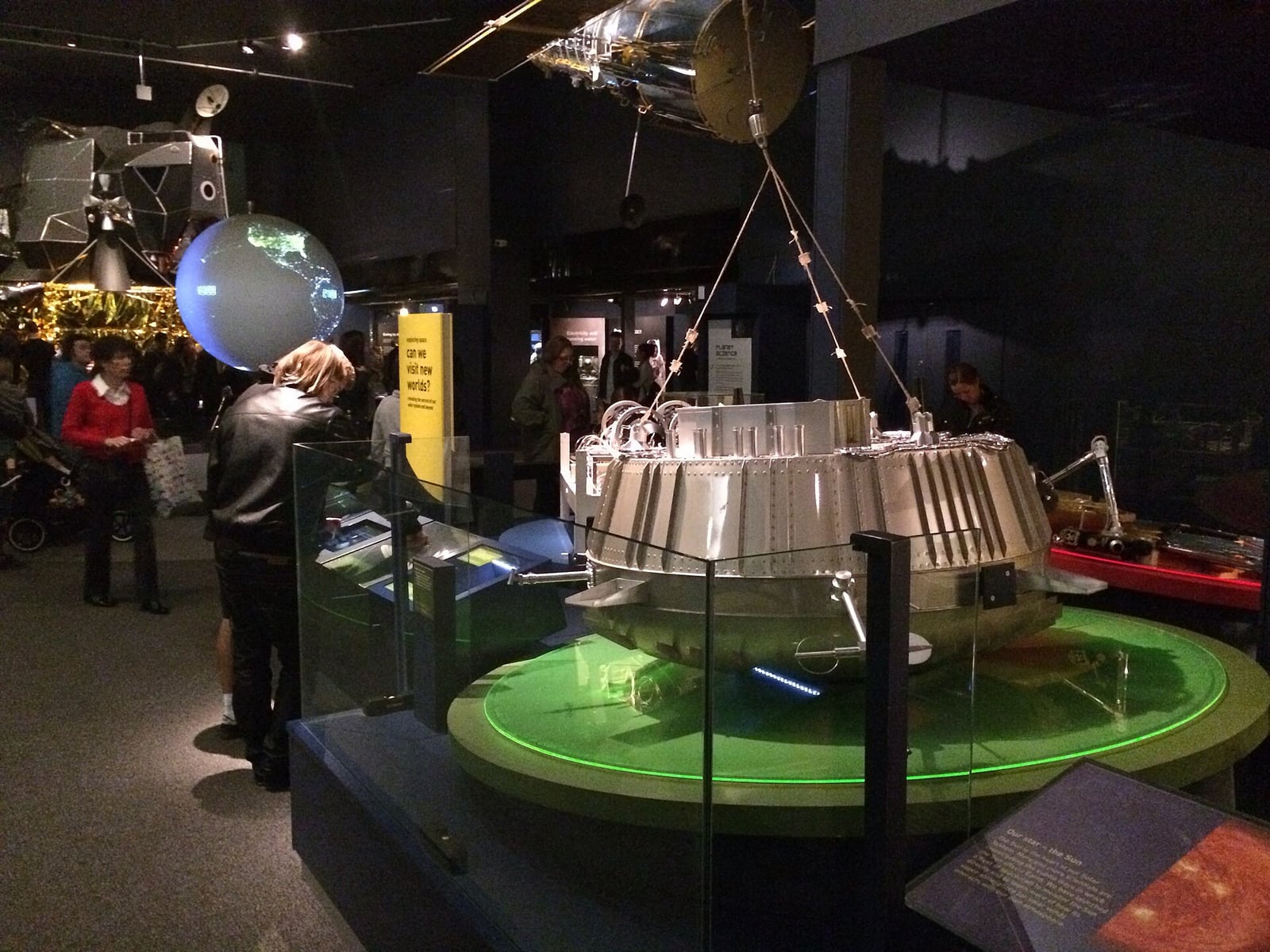
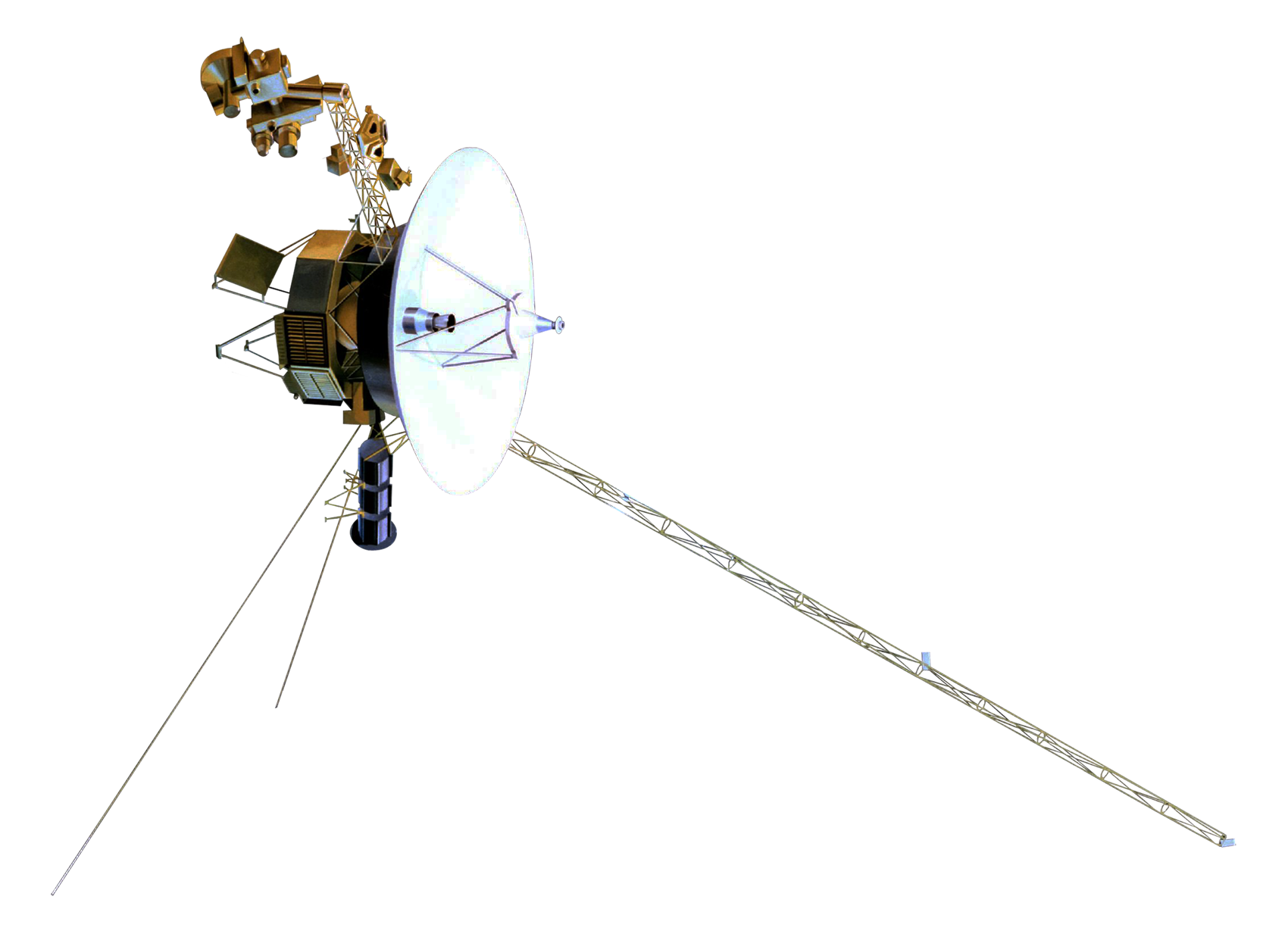
The mission began as a major transatlantic partnership between NASA, the European Space Agency, and the Italian Space Agency. In all, 27 nations took part in the mission, which paired the NASA orbiter with the European-built Huygens probe. Launched in October 1997 aboard a Titan IV-B rocket, the joint spacecraft journeyed for nearly seven years across deep space, utilizing planetary flybys of Venus, Earth, and Jupiter to build velocity. Cassini entered orbit around Saturn on July 1, 2004, becoming the first craft to orbit the ringed planet.

Keep reading in Yester
Coming soonKeep following the story
Sources
- Cassini mission overview (NASA Science)
- Cassini Grand Finale overview (NASA Science)
- Celebrating Europe's science highlights with Cassini (ESA)
- Cassini plunges into Saturn, ends a 20-year mission (Eos)
- Scientists finally know what time it is on Saturn (NASA JPL)
- Saturn has not always had rings (EarthSky)
- Cassini–Huygens
Image: NASA/JPL-Caltech/Space Science Institute · Public domain · Wikimedia Commons · cropped
