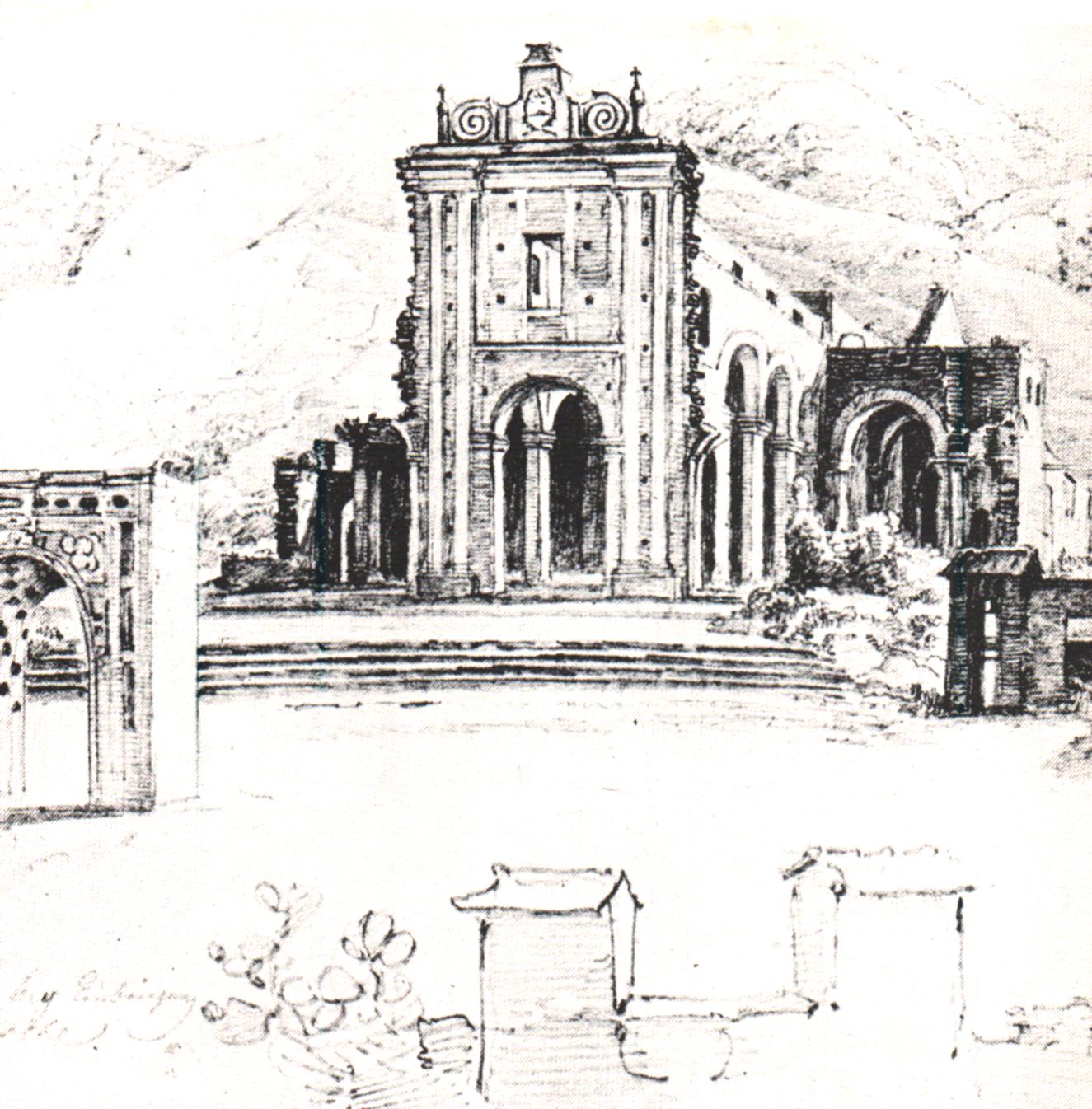
An Earthquake Shakes Caracas and the First Republic
On Holy Thursday an earthquake destroyed much of Caracas, and royalist clergy called it divine punishment for independence.
On March 26, 1812, an earthquake struck Venezuela late in the afternoon on Maundy Thursday, bringing ruin to towns across the northern reaches of the country. Some modern geological evaluations estimate that the strongest shock reached a magnitude of about 7.7, originating from a complex rupture system that dismantled infrastructure across multiple settlements. Major urban centers including Caracas, the nearby port of La Guaira, Barquisimeto, San Felipe, and Mérida endured vast devastation. Alongside the destruction of stone and timber dwellings, the physical terrain shifted noticeably; river flows altered, the Yurubí river was temporarily blocked, and new bodies of standing water formed in areas like Valecillo.
The catastrophe unfolded against a landscape of deep political transition, coming less than a year after Venezuelan leaders had challenged Spanish colonial rule. At the time of the tremor, the First Republic of Venezuela was struggling to consolidate its fledgling authority amidst active conflict with royalist forces. The seismic upheaval hit republican strongholds directly, leveling barracks, administrative centers, and major municipal squares. In Caracas, military installations such as the Cuartel San Carlos collapsed, killing hundreds of soldiers according to some accounts and depriving the republican leadership of vital armed strength at a vulnerable hour.

Keep reading in Yester
Coming soonKeep following the story
Sources
- In 1812, a National Catastrophe Helped Topple a Weak Government (Caracas Chronicles)
- Simón Bolívar and the Venezuelan earthquake (The Nation, Greg Grandin)
- 1812 earthquake electronic supplement, Bulletin of the Seismological Society of America (Universidad de Los Andes, Venezuela)
- 1812 Caracas earthquake
Image: Ferdinand Bellerman (1814-1889) · Public domain · Wikimedia Commons · cropped
