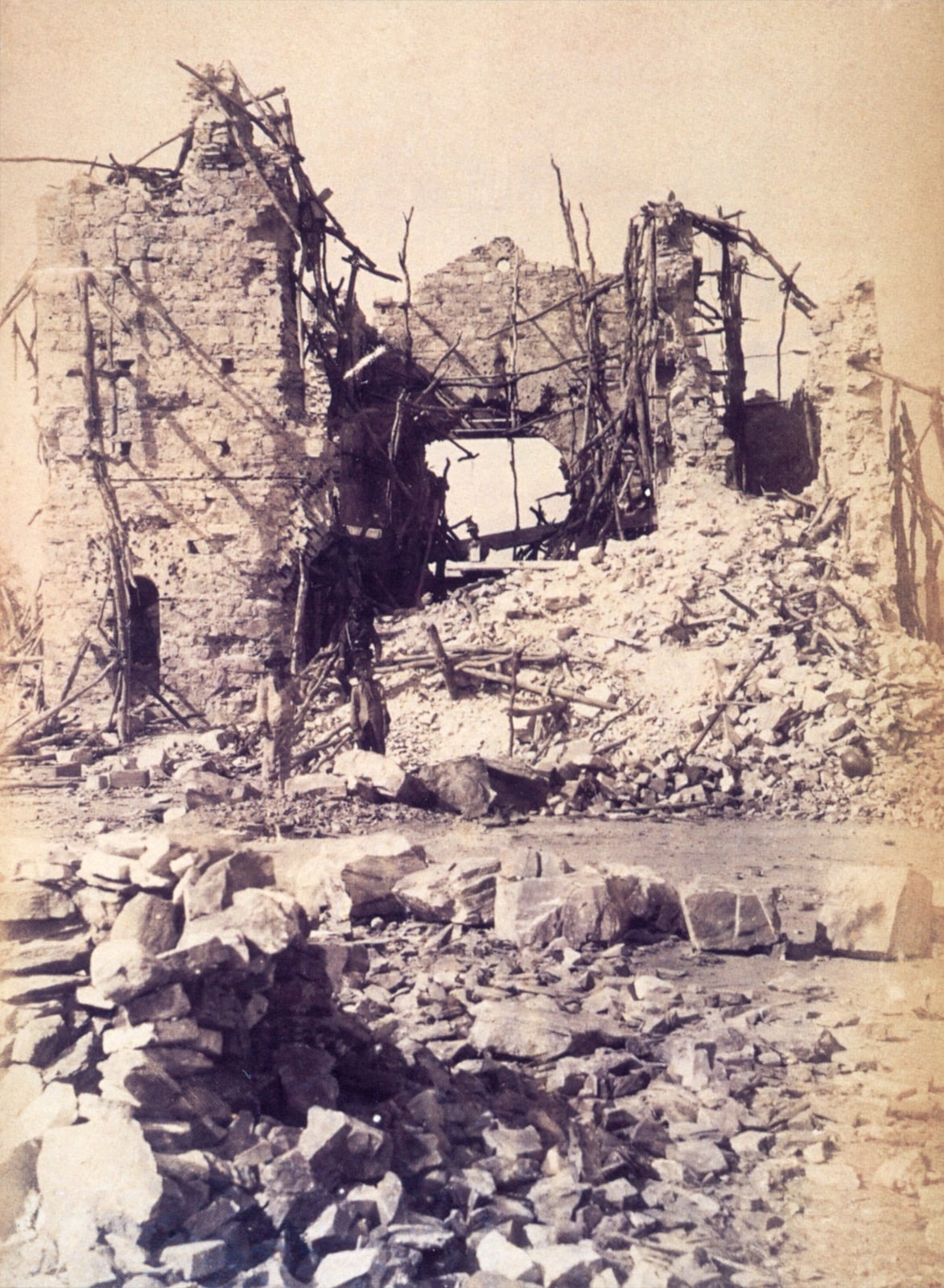
Brazil’s Army Destroys the Backlands Community of Canudos
Followers of the preacher Antônio Conselheiro beat back three military expeditions before a fourth razed their settlement.
On October 5, 1897, gunfire finally ceased in the northeastern backlands of Bahia, bringing an end to the protracted destruction of the settlement of Canudos. Founded along the Vaza-Barris River in 1893 by the itinerant preacher Antônio Vicente Mendes Maciel, known as Antônio Conselheiro, the community had rapidly grown into a town of perhaps 10,000 or more residents. Conselheiro had wandered the arid sertão for decades, organizing labor to construct cemeteries, churches, and dams while gathering followers among impoverished smallholders and laborers. His community, which its residents named Belo Monte, maintained an economy of subsistence agriculture and leather exports, offering refuge in an impoverished region that suffered under severe droughts and chronic neglect.
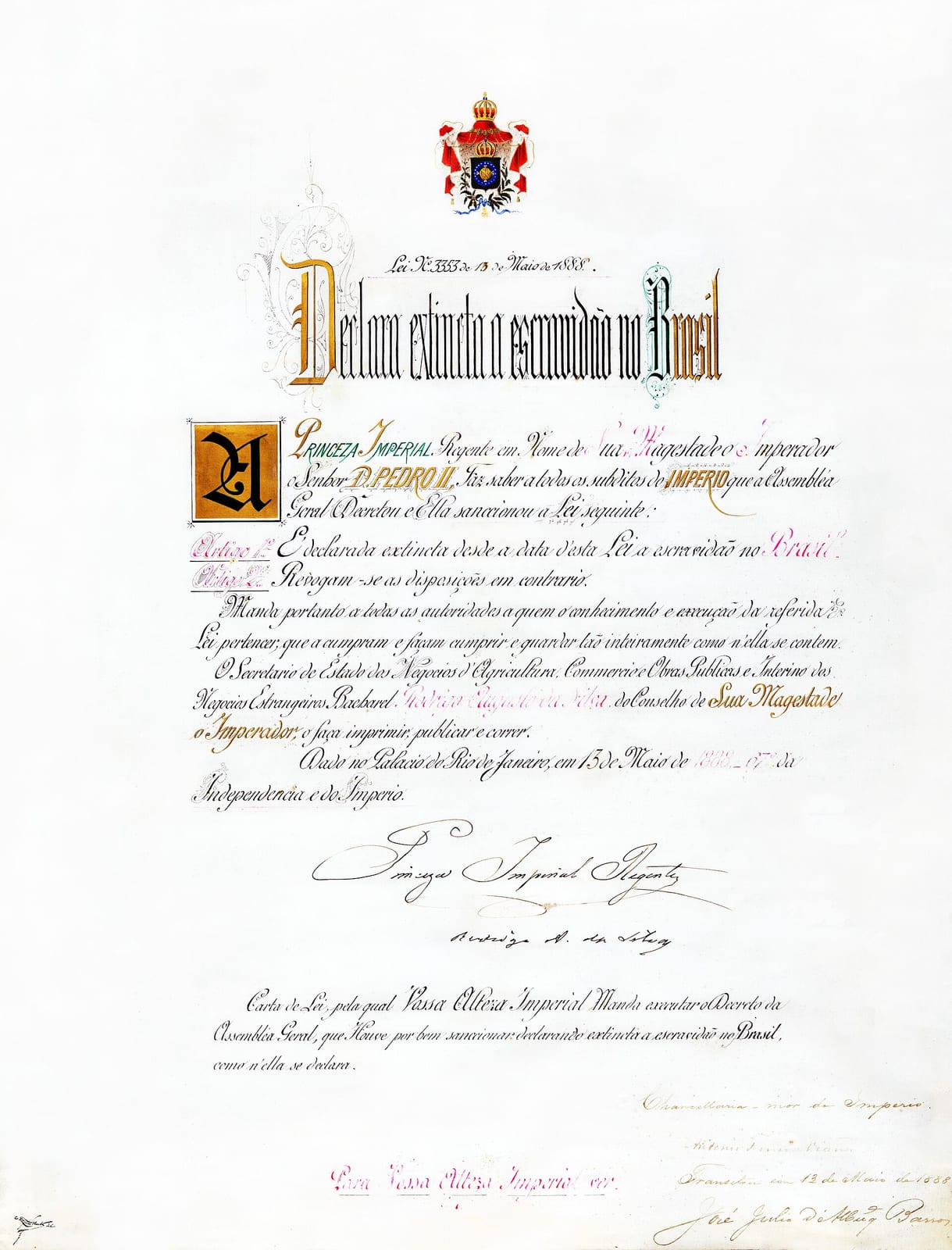
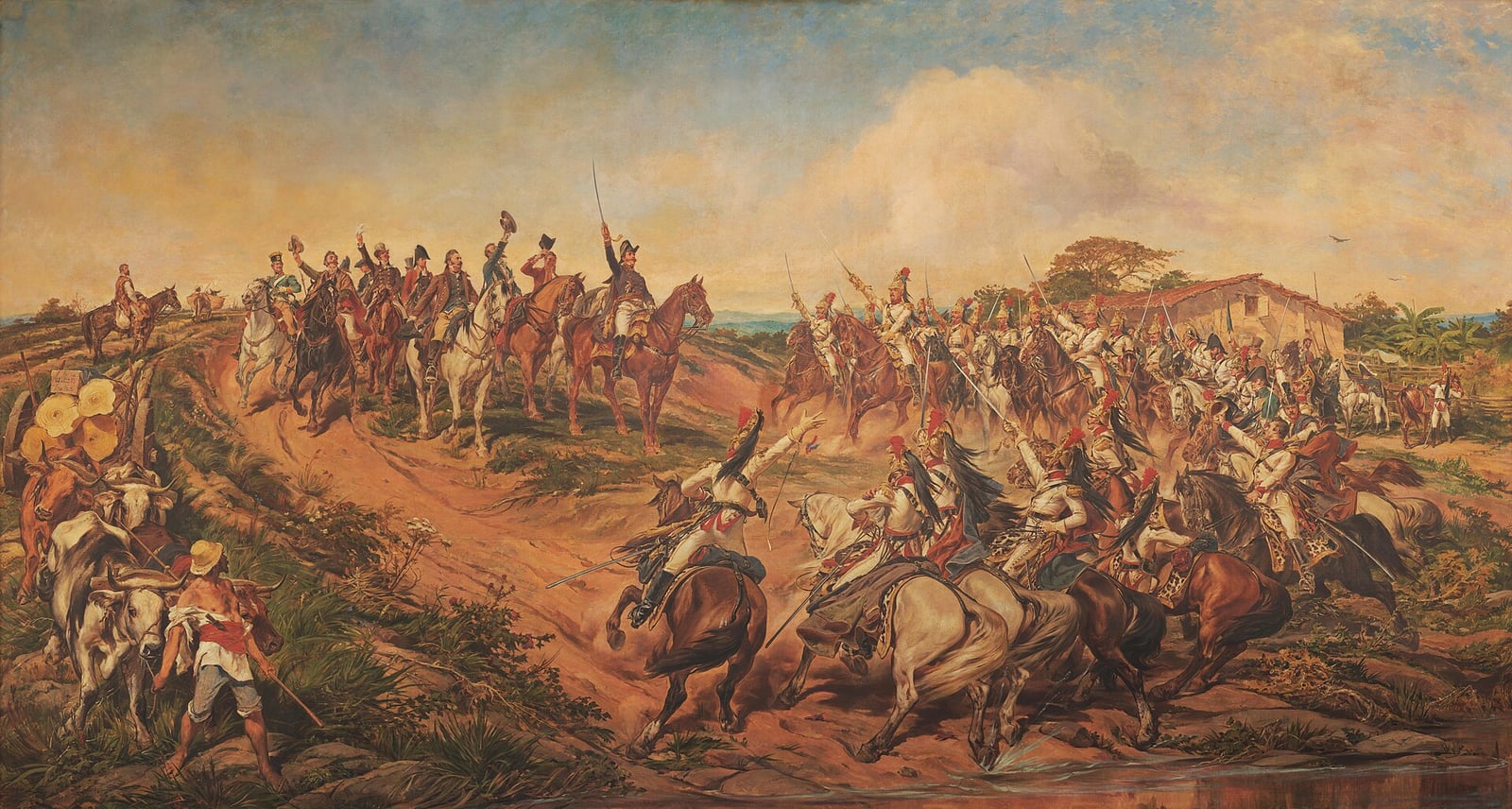
The community developed during years of deep political upheaval in the aftermath of the abolition of slavery in Brazil and the 1889 military coup that deposed Emperor Pedro II. The newly founded First Brazilian Republic struggled to consolidate its authority and confronted rebellions across the nation. While urban centers largely backed the republic, many rural backlanders harbored affection for the ousted emperor, associating the new regime primarily with heavier taxation. Conselheiro preached a conservative religious doctrine, criticized wayward clergymen, and defended the monarch's divine right to rule. Local landowners, alienated by his growing influence and loss of agricultural labor, viewed him with deep suspicion, while the church hierarchy regarded his popularity as an overt challenge to ecclesiastical authority.

Keep reading in Yester
Coming soonKeep following the story
Sources
Image: Flávio de Barros · Public domain · Wikimedia Commons · cropped
