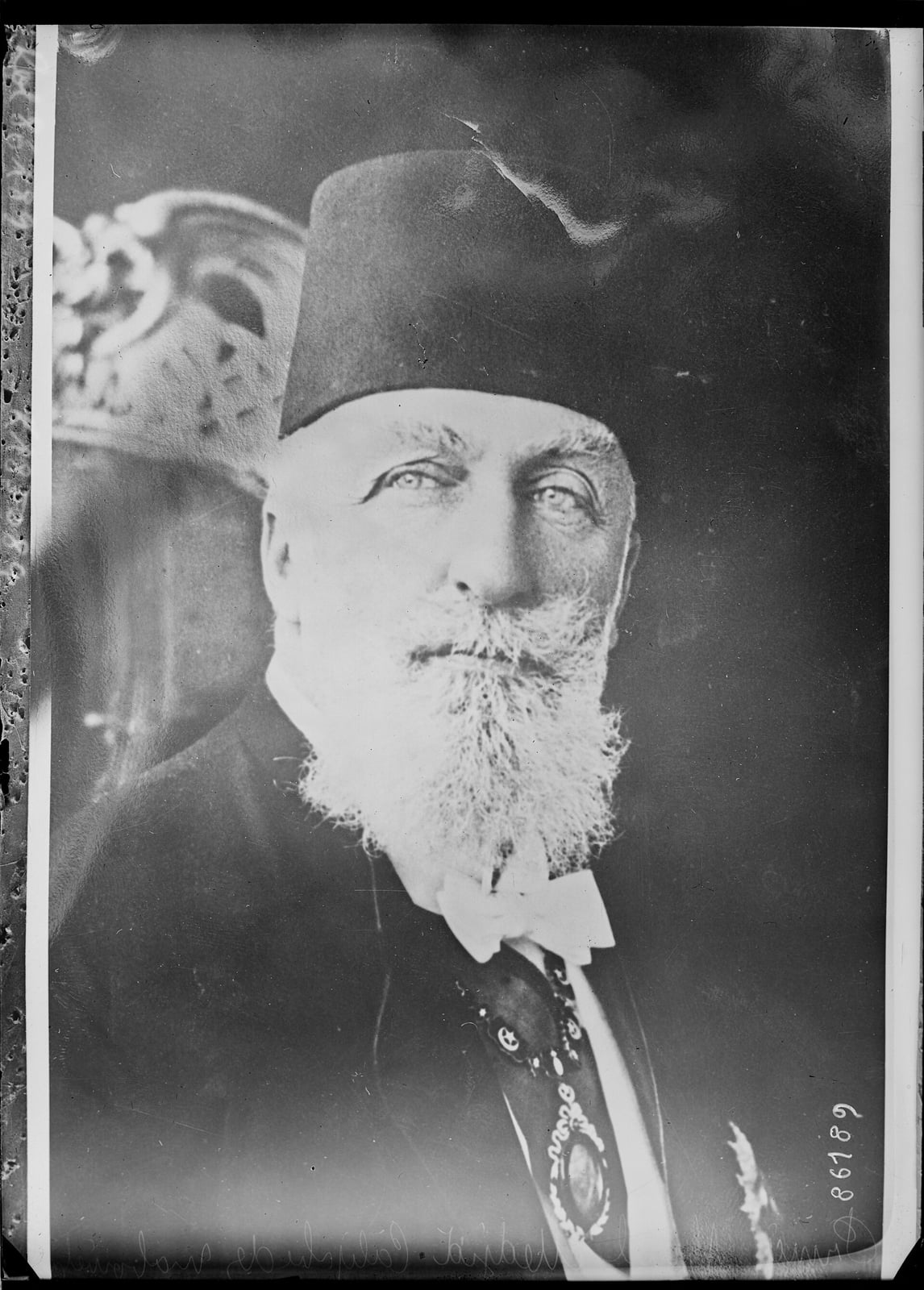
Turkey Abolishes the Caliphate
The new republic’s assembly ended an office that had claimed leadership of Sunni Muslims for thirteen centuries.
On March 3, 1924, the Grand National Assembly of Turkey convened in Ankara to consider a twelve-article bill drafted by Sheikh Saffet Efendi and fifty-three fellow deputies. When the assembly put the measure to a vote, 157 of the 158 members present approved the legislation, with only Zeki Bey of Gumushane casting a dissenting ballot. The first article immediately deposed Abdul Mejid II and brought an end to the Ottoman Caliphate, terminating an institution that had claimed spiritual leadership over Sunni Muslims for centuries. That very night, authorities escorted Abdul Mejid and eleven family members to Catalca station, placing them on a train out of the country under an order expelling the former ruling dynasty.
The decision represented the culmination of rapid institutional restructuring that followed the Turkish War of Independence. In November 1922, the assembly in Ankara had taken an initial step by abolishing the Ottoman sultanate, separating temporal rule from the spiritual caliphate. Sultan Mehmed VI fled the capital on a British warship, leading deputies to denounce his dependence on foreign support. In his place, parliament chose Crown Prince Abdul Mejid as caliph on November 19, 1922, by a large majority, while explicitly stripping the position of executive authority. Tensions quickly emerged when Abdul Mejid insisted on holding an elaborate investiture ceremony rather than the modest oath planned by the Ankara leadership.

Keep reading in Yester
Coming soonKeep following the story
Sources
Image: Jean Pascal Sébah · Public domain · Wikimedia Commons · cropped
