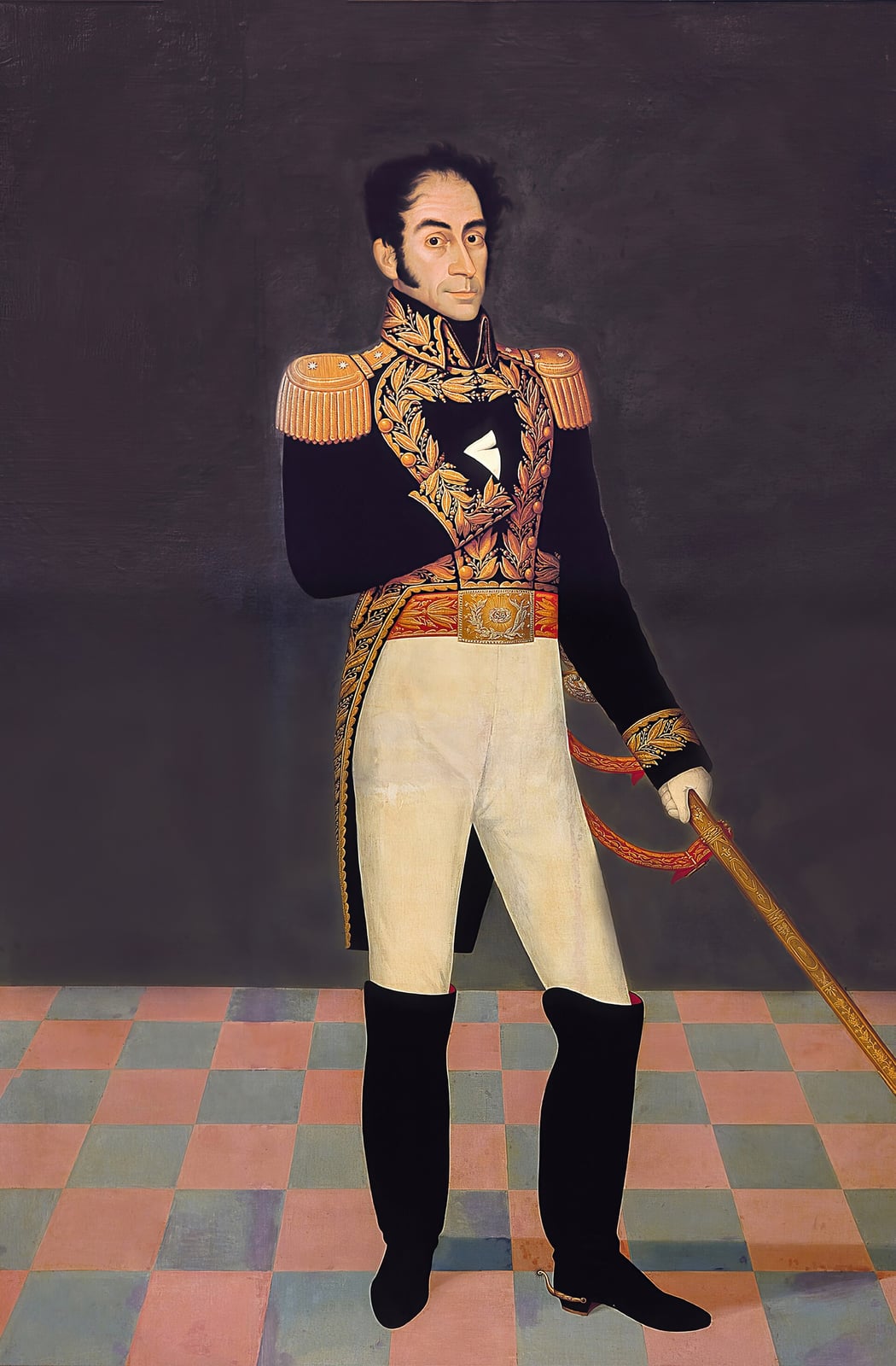
Upper Peru Declares Itself the Republic of Bolívar
An assembly in Chuquisaca declared independence and named the new country after Simón Bolívar.
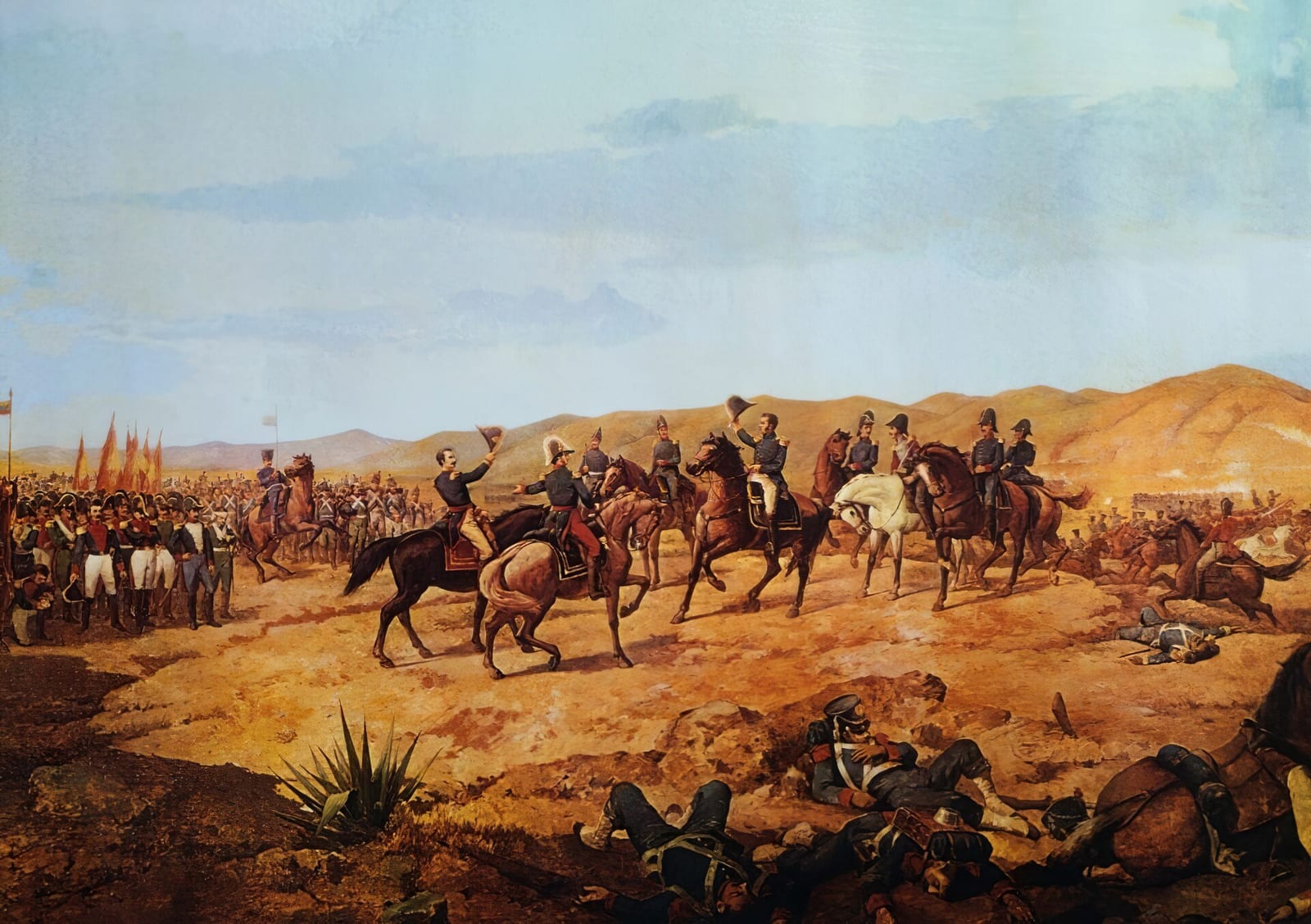
On August 6, 1825, a constituent assembly meeting in Chuquisaca formally proclaimed the independence of Upper Peru, creating a sovereign nation named the Republic of Bolívar. The proclamation marked the culmination of decades of regional upheaval, following intense guerrilla fighting that had destabilized royalist authority across the territory. While military momentum shifted across the continent after the decisive victory at the Battle of Ayacucho in late 1824, local garrisons in Upper Peru had already begun breaking away from Spanish governance in early 1825.
The collapse of the royalist command escalated rapidly in the opening months of that year. Insurrections swept through Cochabamba, Vallegrande, and Santa Cruz de la Sierra as royalist units mutinied and declared support for the patriot cause. In late January 1825, General José Miguel Lanza entered La Paz and asserted the independence of the Upper Peruvian provinces. Soon after, Field Marshal Antonio José de Sucre crossed the Desaguadero River at the head of the Liberation Army, reinforcing a political transition that was already underway.

Keep reading in Yester
Coming soonKeep following the story
Sources
- La asamblea fundacional (Correo del Sur, Sucre)
- ¿Hubo 'amarre' en 1825? (Correo del Sur, Sucre)
- El padrino de Bolivia (Correo del Sur, Sucre)
- La liberación de Bolivia (Correo del Sur, Sucre)
- Tumusla: la batalla innegable (Correo del Sur, Sucre)
- Bolivia (Encyclopedia.com)
- Enero bicentenario (Correo del Sur)
- Bolivian Declaration of Independence
Image: José Gil de Castro · Public domain · Wikimedia Commons · cropped
