El Salvador Makes Bitcoin Legal Tender
A small Central American country became the first to give a cryptocurrency the status of national money.
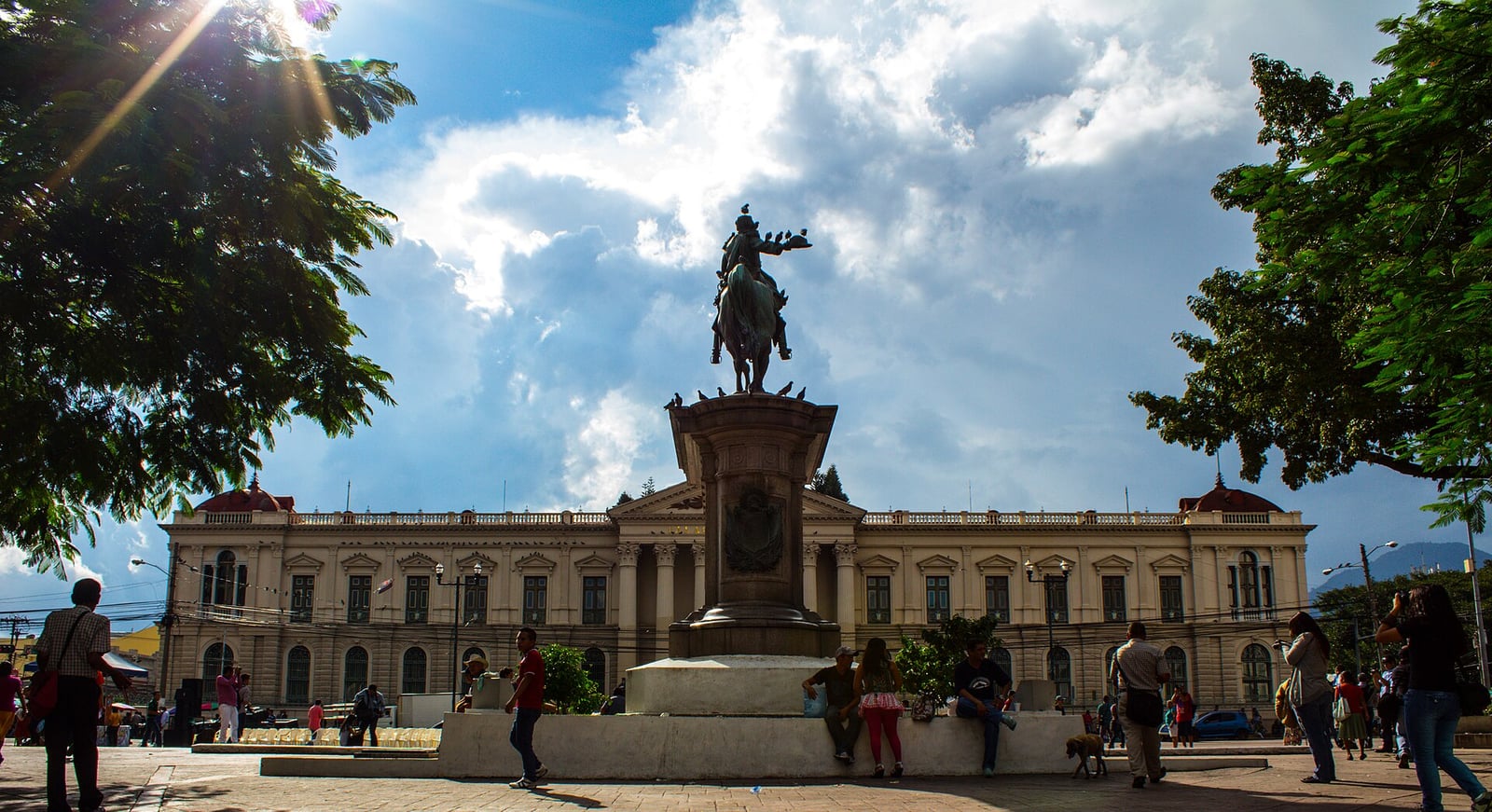
On September 7, 2021, El Salvador's Bitcoin Law took effect, making the digital token legal tender alongside the United States dollar. The measure, championed by President Nayib Bukele, made the Central American republic the first sovereign nation to grant a cryptocurrency official monetary status. Proponents argued that the reform would modernize the national financial system, provide digital services to citizens without conventional bank accounts, and reduce transaction fees on foreign remittances, which accounted for nearly a quarter of national economic output. The state set up a trust fund of one hundred and fifty million dollars to support the rollout and began purchasing the asset directly.
The institutional rollout centered on Chivo, a government-backed digital wallet application. To incentivize participation, authorities offered thirty dollars in cryptocurrency to every citizen who registered, while legislation mandated that domestic businesses accept the digital tokens for commercial transactions. Bukele also proposed permanent residency for foreigners who invested three bitcoin in the country, and the law exempted bitcoin from capital gains tax. The initiative gained momentum from an earlier local experiment in the coastal village of El Zonte, where an anonymous donation had fostered an insular commercial economy that relied on mobile cryptocurrency transactions.

Keep reading in Yester
Coming soonKeep following the story

Sources
- El Salvador approves $150 million trust fund to support bitcoin ambitions (The Block)
- Free bitcoin: El Salvador offers $30 of bitcoin to boost uptake (Al Jazeera)
- El Salvador's Chivo bitcoin wallet (Rest of World)
- El Salvador Rushes to Approve Bitcoin Law Amendment to Comply With IMF Loan Terms (Decrypt)
- Bitcoin in El Salvador
Image: Raúl Arias · CC BY 2.0 · Wikimedia Commons · cropped
