Biafra’s Secession Plunges Nigeria into Civil War
A blockade during the war caused a famine whose images drew the world’s attention and reshaped humanitarian aid.
On 6 July 1967, federal military operations commenced against the breakaway Republic of Biafra, escalating deep political and regional antagonisms into a devastating civil war. Biafra had proclaimed its independence earlier that year under Lieutenant Colonel Chukwuemeka Odumegwu Ojukwu following violent anti-Igbo pogroms across Nigeria's Northern Region and the flight of surviving easterners to their homelands. Convinced that the federal government led by General Yakubu Gowon could no longer safeguard their lives or interests, the regional authorities elected to secede, triggering thirty months of armed conflict across the south-east.
The crisis had deep roots in the administrative structure established under British colonial rule. In 1914, British authorities amalgamated distinct territories into a single entity without harmonizing the vastly different cultures and social systems of its constituent peoples. Post-colonial federal politics subsequently divided power among three major regional and ethnic blocs: the Hausa-Fulani in the north, the Yoruba in the southwest, and the Igbo in the southeast. Competition over regional autonomy, legislative representation, and newly discovered petroleum revenues in the eastern Niger Delta steadily aggravated distrust.

Keep reading in Yester
Coming soonKeep following the story

Sources
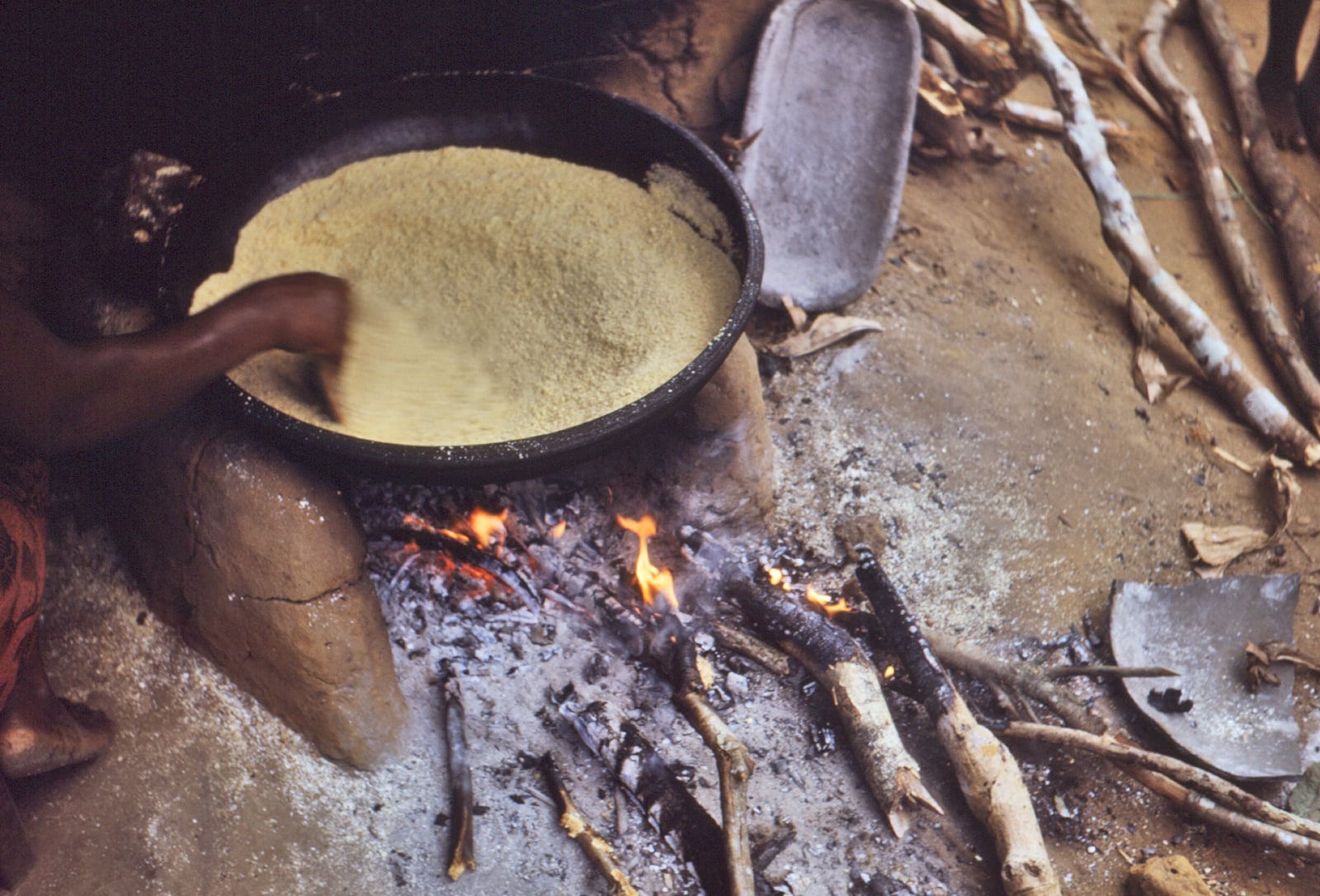
Image: CDC/ Dr. Lyle Conrad · Public domain · Wikimedia Commons · cropped
