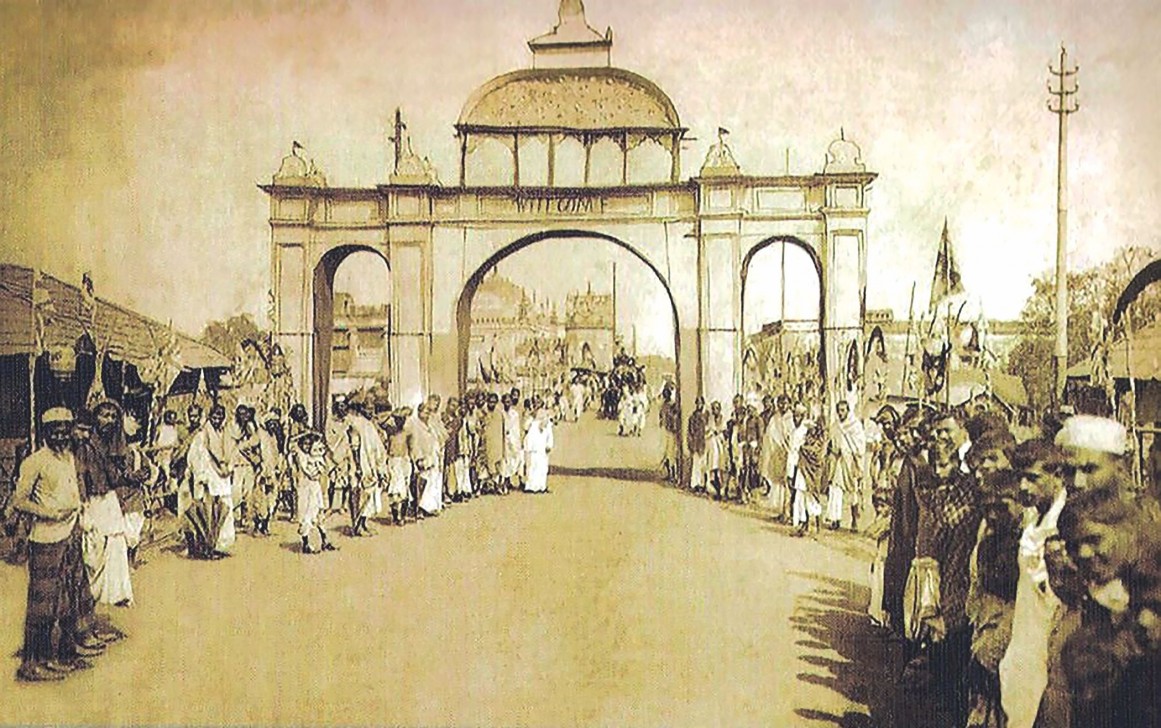
Lord Curzon Splits Bengal and Starts the Swadeshi Movement
The division of Bengal into two provinces set off boycotts of British goods and protests that forced its reversal in 1911.
On 16 October 1905, the British colonial administration enacted the territorial division of the Bengal Presidency under the direction of Viceroy Lord Curzon. As the largest administrative unit in British India, the undivided presidency included Bengal, Bihar, Orissa and Chota Nagpur, with a population of about 78.5 million people. Colonial officials argued that governing such an extensive territory had become impractical and that the remote eastern districts had long suffered from administrative neglect. Under the final scheme, the Chittagong, Dhaka and Rajshahi divisions (without Darjeeling), Malda district and Hill Tripura were joined with Assam into a new province named Eastern Bengal and Assam, with its capital at Dhaka. The rest of Bengal stayed together with Bihar and Orissa, which gained Sambalpur and some Oriya-speaking states.
Although the government defended the reorganization on grounds of administrative efficiency, Indian nationalists interpreted the measure as an intentional divide-and-rule strategy designed to cripple Bengali political influence. In the western province, Bengali speakers were outnumbered by Hindi and Oriya speakers. The new eastern province had about 31 million people, of whom about 18 million were Muslims and 12 million Hindus. The educated Bengali Hindu middle class, known as the Bhadralok, protested that the partition tore apart their cultural homeland and diluted their civic standing. Months of petition campaigns arranged through the Indian National Congress met with official indifference, prompting nationalist leaders such as Surendranath Banerjee to adopt more assertive forms of opposition.

Keep reading in Yester
Coming soonKeep following the story
Sources
- Partition of Bengal, 1905 (Banglapedia)
- From Plassey to Partition and After, Sekhar Bandyopadhyay (summary, IIT Kanpur)
- Bose, Ananda Mohan (Banglapedia)
- Federation Hall and the 1905 hartal and rakhi ceremonies (Indian Culture portal, Government of India)
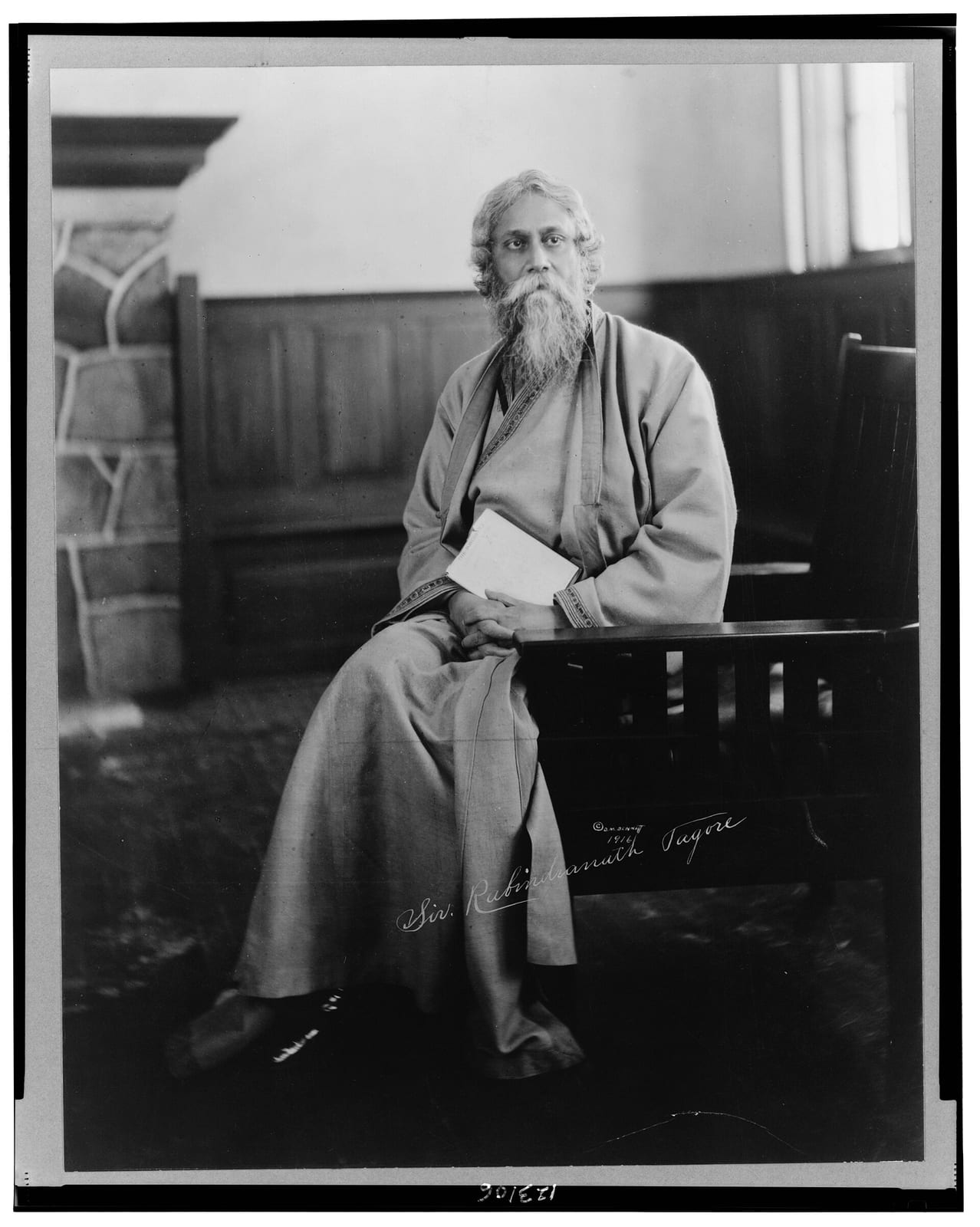
- Tagore's Call for Rakhi Bond Between Hindus and Muslims (Janata Weekly)
- Partition of Bengal (1905)
Image: Fritz Kapp · Public domain · Wikimedia Commons · cropped
