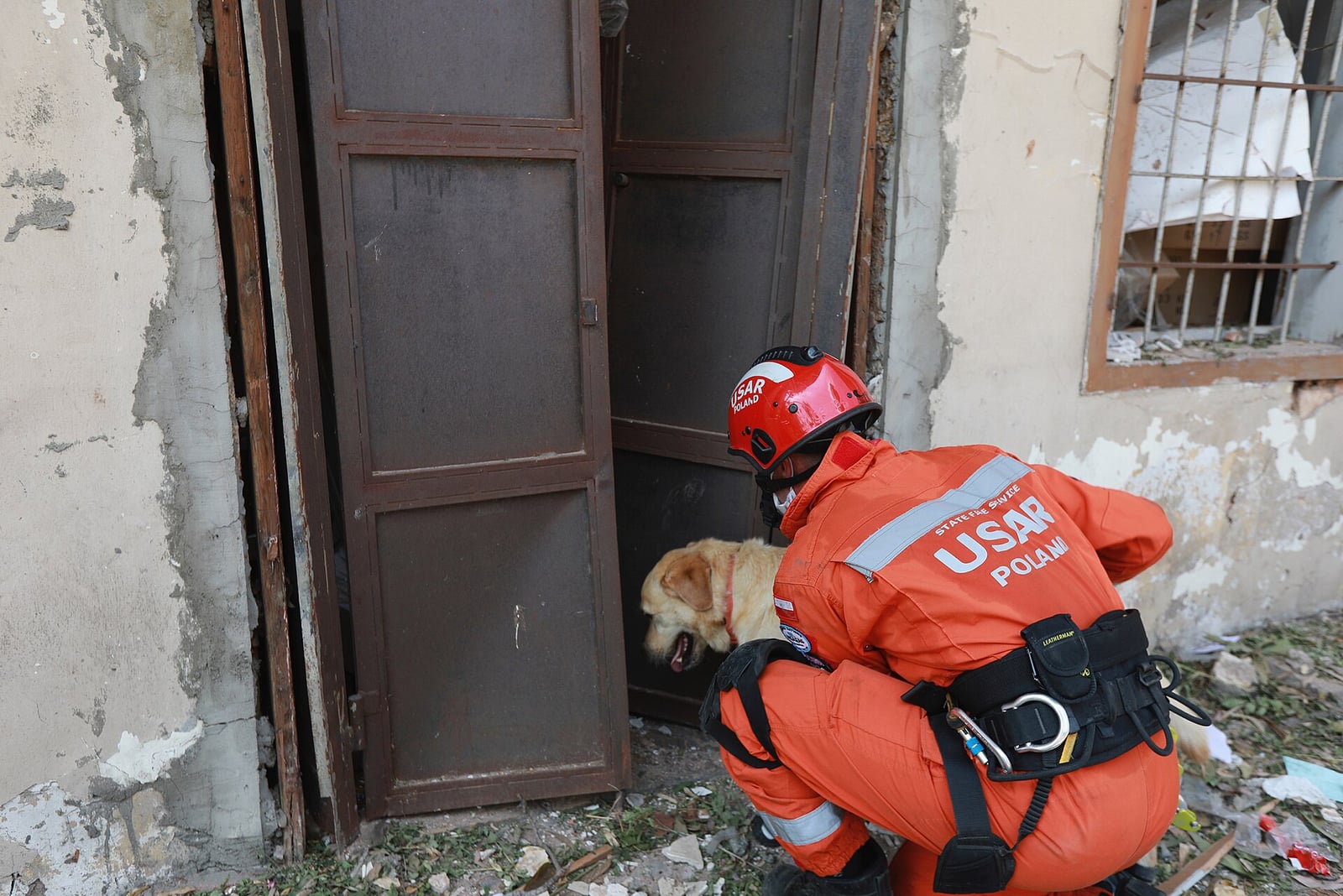
Stored Ammonium Nitrate Explodes in Beirut’s Port
Chemicals left in a warehouse for six years blew up, killing more than 200 people and wrecking half the city.
On the evening of August 4, 2020, a fire in Warehouse 12 at the Port of Beirut led to one of the most destructive industrial catastrophes in modern history. The initial blaze produced a smaller explosion that sent up gray smoke and ignited fireworks stored within the building. Roughly half a minute later, a massive secondary blast occurred, creating an intense shockwave and a distinctive red-orange plume fueled by decomposing nitrogen dioxide. The detonation was measured as a magnitude 3.3 seismic event by the United States Geological Survey and was felt as far away as Cyprus.
The disaster was driven by the ignition of ammonium nitrate, an industrial chemical confiscated years prior. In late 2013, the cargo ship MV Rhosus arrived in Beirut carrying 2,750 tonnes of the compound en route from Georgia to Mozambique. Deemed unseaworthy and detained over outstanding fees, the vessel was eventually abandoned. Following a judicial order, authorities unloaded the cargo in October 2014 and moved it into Warehouse 12, directly on the waterfront. Despite repeated formal requests from customs officials warning of the dangers and seeking permission to export, sell, or transfer the material, the stockpile remained unattended in the warehouse for six years.

Keep reading in Yester
Coming soonKeep following the story

Sources
- They Killed Us From the Inside: An Investigation into the August 4 Beirut Blast (Human Rights Watch)
- How Beirut firefighters were sent into disaster (Al Jazeera)
- Just how big was the 2020 Beirut explosion? (Lawrence Livermore National Laboratory)
- Beirut grain silo falls in partial collapse nearly 2 years after port explosion (NBC News)
- 2020 Beirut explosion
Image: EU - Delegation / Libanon, EU - Delegation / Lebanon, CE - ECHO, UE - Délégation / Liban… · CC BY 4.0 · Wikimedia Commons · cropped
