A Survey Finds No Baiji Dolphins Left in the Yangtze
A river dolphin that had lived in China’s great river for millions of years was declared functionally extinct.
On December 13, 2006, leaders of an intensive international expedition announced that the baiji, or Yangtze river dolphin, was functionally extinct. Organizers, backed by the baiji.org Foundation and working alongside researchers from institutions including the National Oceanic and Atmospheric Administration and Japan's Fisheries Research Agency, had spent six weeks searching the Yangtze River without spotting a single animal. According to the survey team, it was the first global extinction of a large vertebrate in more than 50 years, since the disappearance of the Caribbean monk seal in the 1950s.
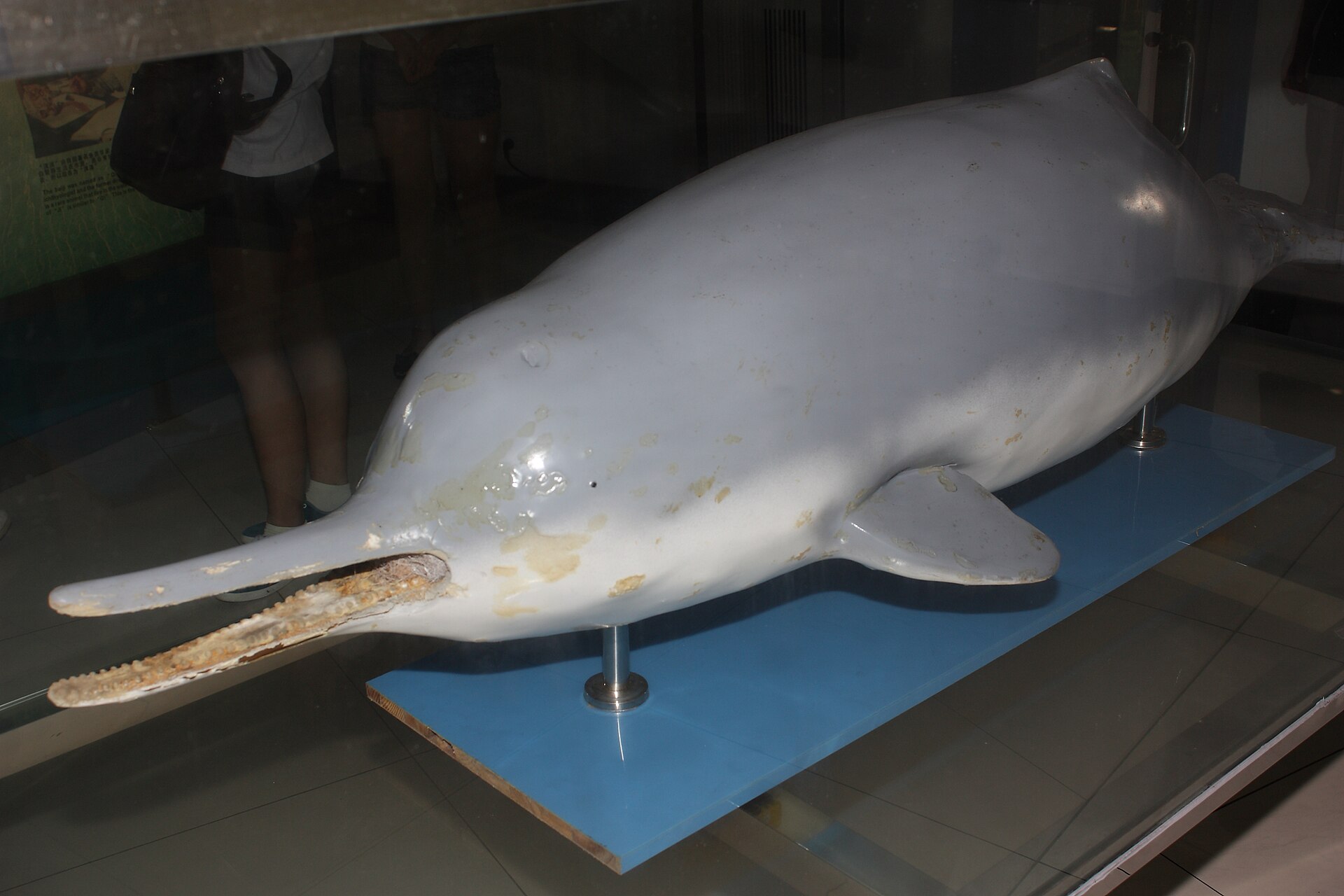
The baiji, known scientifically as Lipotes vexillifer, had inhabited the middle and lower reaches of the Yangtze system for millions of years. Characterized by pale blue-grey backs, white bellies, low triangular dorsal fins, and long, slightly upturned beaks, these freshwater cetaceans depended on highly directional echolocation to navigate murky waters. Revered in regional folklore as the Goddess of the Yangtze and long regarded as a sign of peace and prosperity, the dolphin was the sole representative of the mammal family Lipotidae.

Keep reading in Yester
Coming soonKeep following the story



Sources
- First human-caused extinction of a cetacean species? (Turvey et al., Biology Letters, via PubMed Central)
- Rare Chinese river dolphin sighting in question (Mongabay)
- Baiji extinct river dolphin sighting and conservation (National Geographic)
- QiQi, the last confirmed baiji, died in 2002 (IFLScience)
- December 13: Baiji declared extinct (Today in Conservation)
- Baiji
Image: Huangdan2060 · CC BY 3.0 · Wikimedia Commons · cropped
