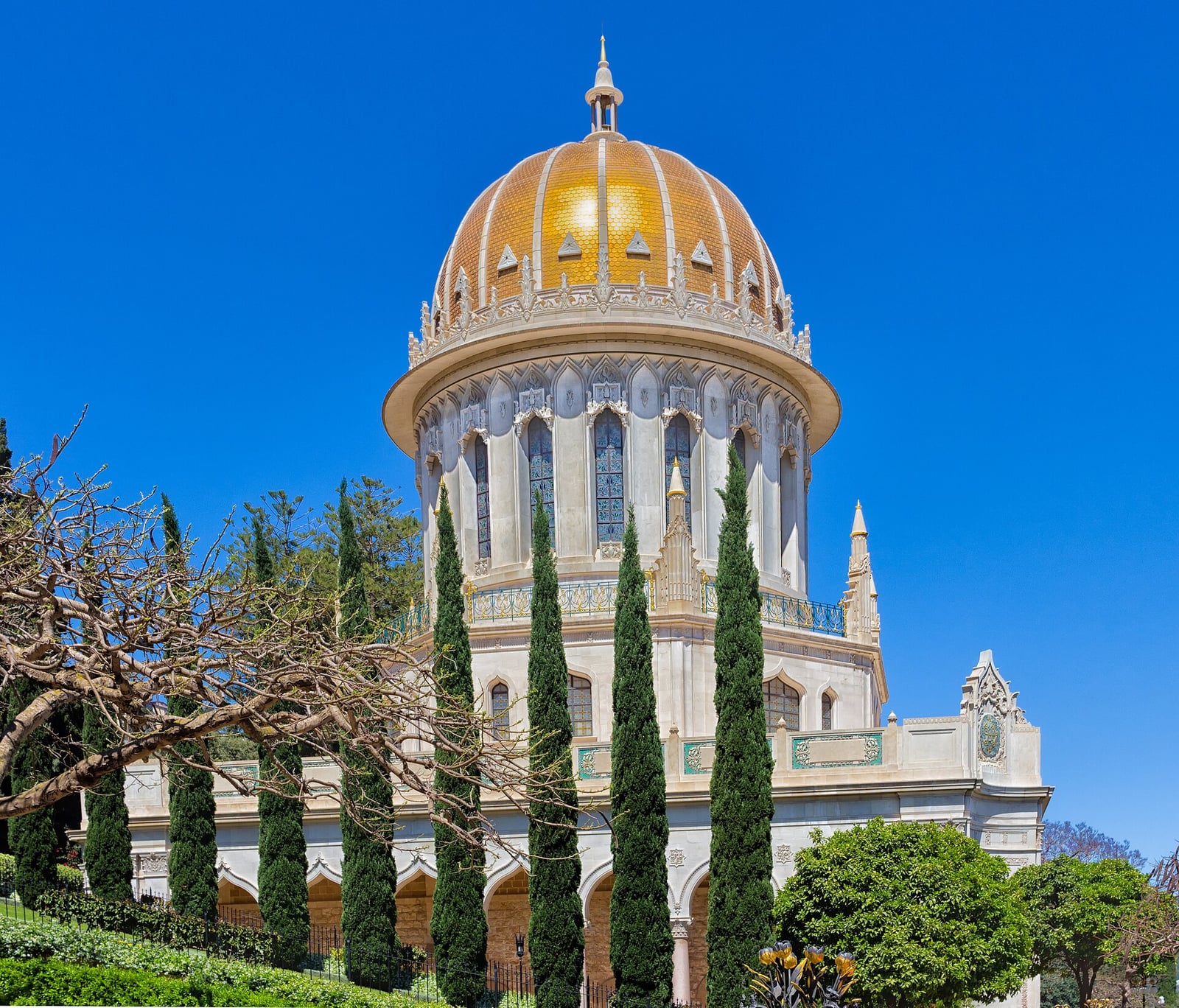
The Báb Announces a New Revelation in Shiraz
A young merchant’s claim to be a divine messenger set off a movement that Persia crushed and that gave rise to the Bahá’í Faith.
On the night of May 22, 1844, a young merchant in Shiraz named Sayyid Ali Muhammad received a visitor seeking the anticipated spiritual renewer of the age. The guest, Mulla Husayn, had spent weeks searching after the death of Kazim Rashti, the head of the millenarian Shaykhi movement who had taught that the appearance of the promised deliverer was imminent. Welcoming Mulla Husayn into his home, Ali Muhammad asserted that he was the intended successor and the gate to divine wisdom. To substantiate his mission, he rapidly drafted the opening chapter of the Qayyum al-Asma, an elaborate commentary on the Quranic chapter of Joseph. Convinced by the encounter, Mulla Husayn became the first disciple of the man who took the title of the Bab, meaning the Gate.
Over the following months, seventeen additional disciples recognized the Bab, including the poet and scholar Tahirih, who never met him in person. With Mulla Husayn, these eighteen early followers became known as the Letters of the Living. They were dispatched across Iran and Iraq to spread word of the Bab's claim. In late 1844, the Bab embarked on a pilgrimage to Mecca, where, according to Babi and Bahai accounts, he proclaimed his mission and sent a formal proclamation to the Sharif of Mecca. His claims spread quickly, at first mostly among clerics of the Shaykhi school, who expected the imminent appearance of the Hidden Imam.

Keep reading in Yester
Coming soonKeep following the story
Sources
Image: Ray in Manila · CC BY 2.0 · Wikimedia Commons · cropped
