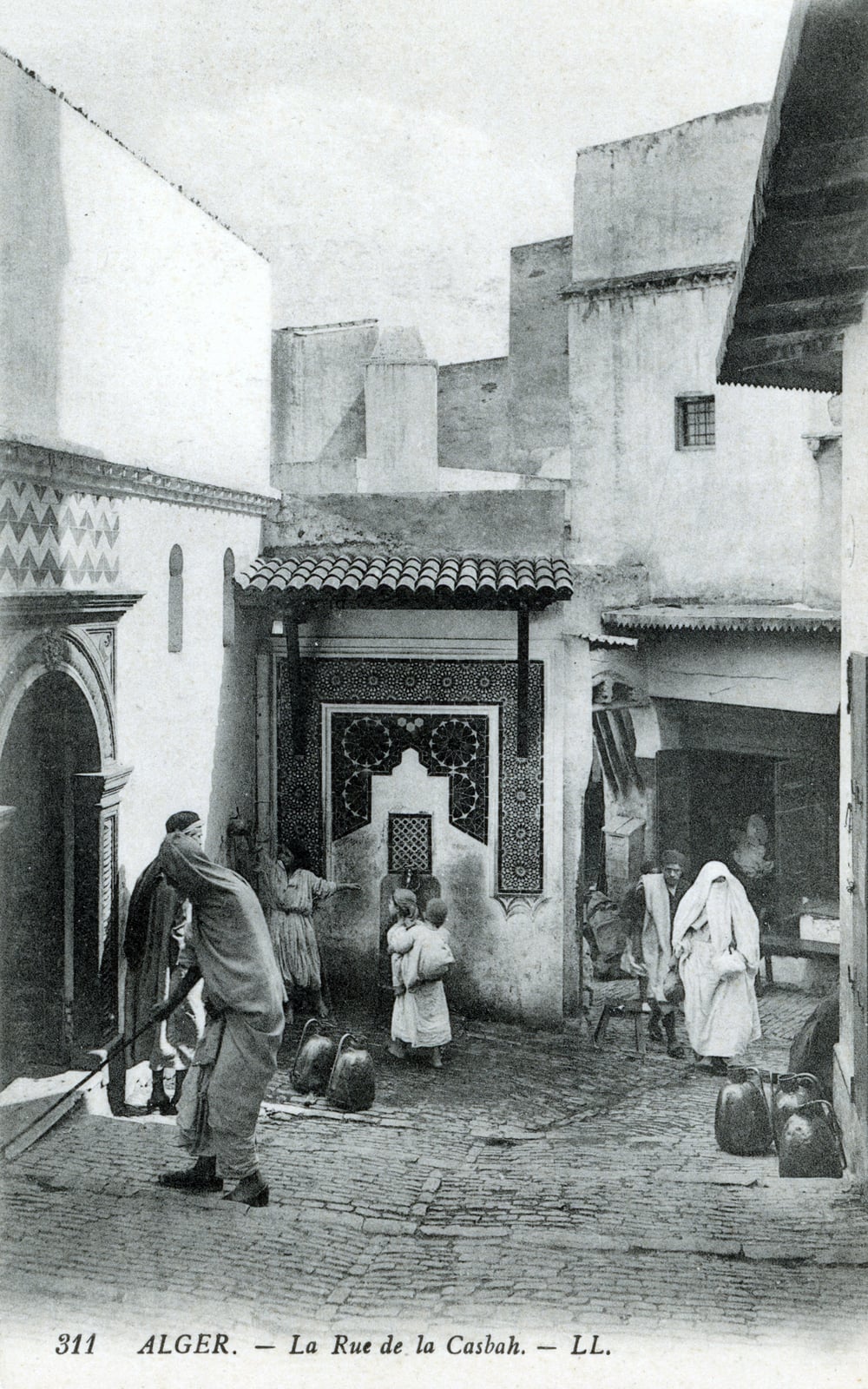
The FLN Launches Algeria’s War of Independence
Coordinated attacks on All Saints’ Day began an eight-year war that ended 132 years of French rule.
In the early hours of November 1, 1954, coordinated attacks struck military and civilian installations across Algeria. Organized by the newly established National Liberation Front, or FLN, this opening offensive became known as Red All Saints' Day. Accompanied by a broadcast from Cairo demanding the restoration of a sovereign Algerian state, the uprising challenged over a century of colonial dominance. Unlike most other overseas territories ruled from Paris, coastal Algeria had been formally incorporated into France in 1848 as the departments of Algiers, Oran and Constantine, rather than being treated as a colony or protectorate.
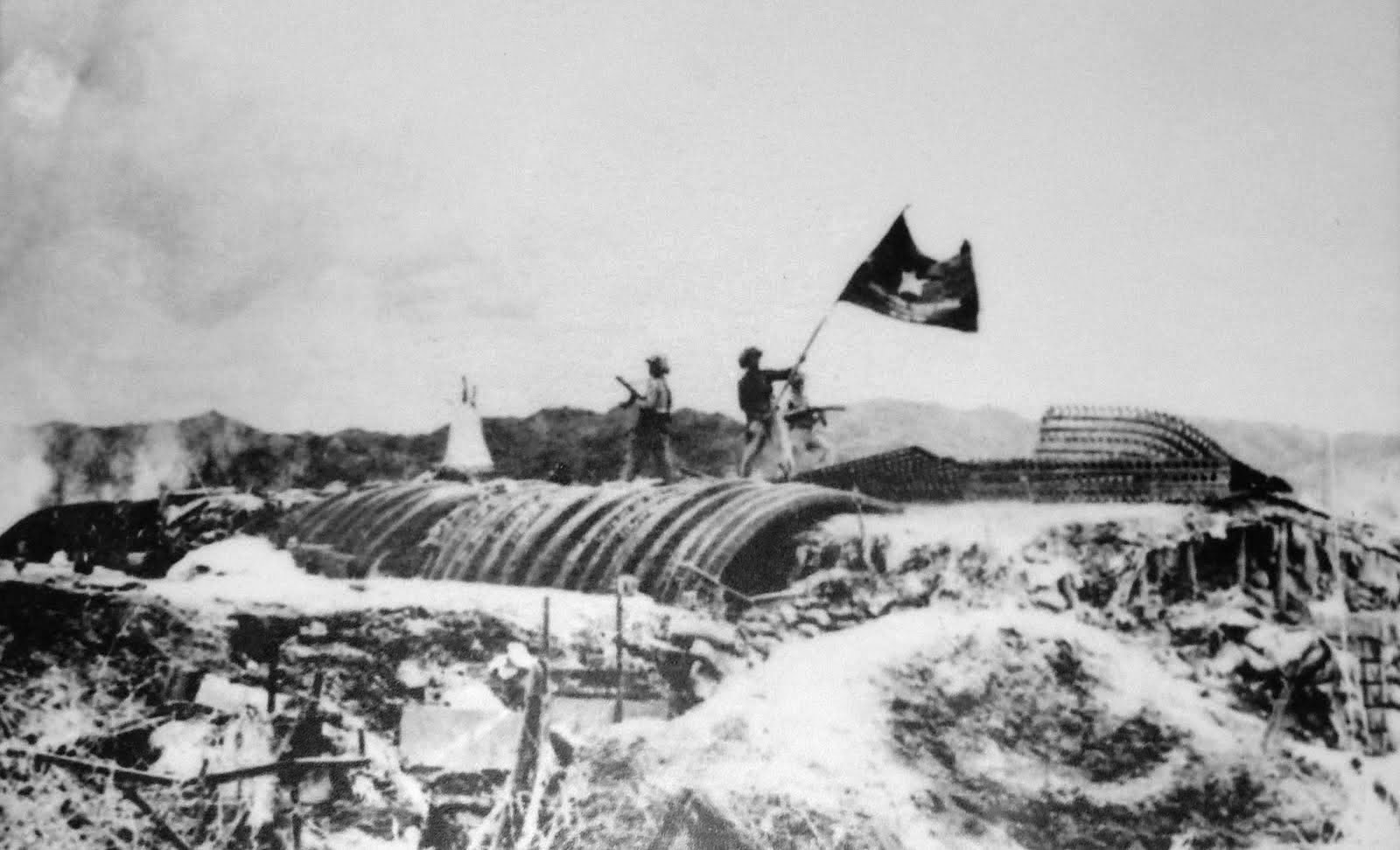
The French government reacted swiftly, asserting that national territorial integrity was non-negotiable. Premier Pierre Mendès France affirmed to the National Assembly that the Algerian departments remained irrevocably French and that secession was unthinkable. Fresh from withdrawing from Indochina, French authorities resolved not to concede another colonial possession. However, nationalist strategists drew inspiration from the Viet Minh victory at Dien Bien Phu, recognizing that an asymmetric guerrilla campaign could exhaust French political resolve and undermine its moral authority, even without conventional military superiority.

Keep reading in Yester
Coming soonKeep following the story
Sources
- Algeria: War of Independence (U.S. Library of Congress Country Study)
- Algeria: Philippeville (U.S. Library of Congress Country Study)
- Algeria: Conduct of the War (U.S. Library of Congress Country Study)
- Algeria: The Generals' Putsch (U.S. Library of Congress Country Study)
- Algerian War (Encyclopaedia Britannica)
- Algeria: Countries (Office of the Historian, U.S. Department of State)
- Algerian War
Image: Lévy Fils et Cie (publisher) · Public domain · Wikimedia Commons · cropped
