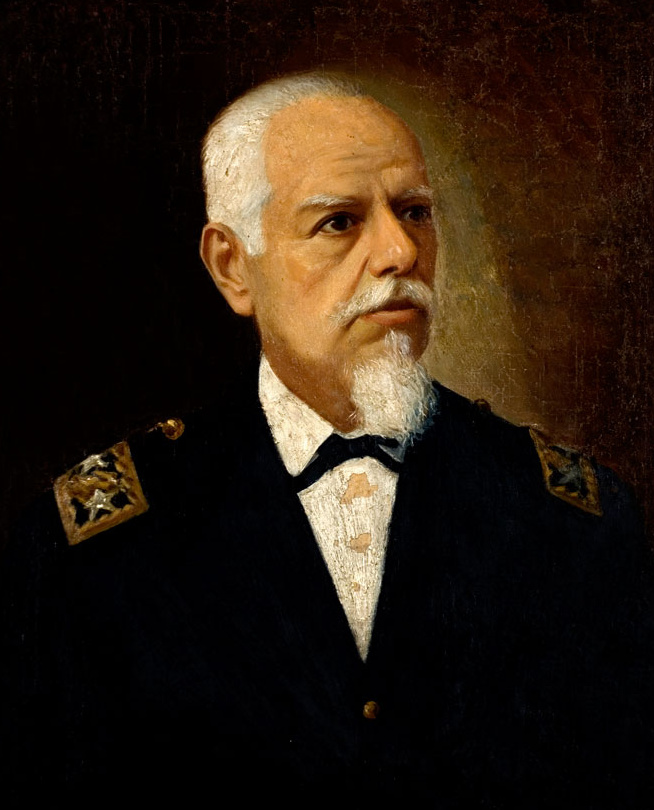
A Railway Climbs the Andes from Guayaquil to Quito
Eloy Alfaro’s government finished a line that linked the port with the capital across the mountains, uniting coast and highlands.
In June 1908, a trans-Andean railway line reached Quito, completing an ambitious engineering effort to link Ecuador's primary Pacific port with its high-altitude capital. The arrival of the rails in Quito ended a journey that had previously taken about six days by mule across arduous mountain terrain, reducing travel time between the port of Guayaquil and the capital to just two days. The arrival was met with public jubilation in Quito, marking a major milestone in connecting the nation's geographically divided coastal lowlands and Andean highlands.
The vision of an Ecuadorian national railway originated decades earlier under President Gabriel García Moreno in 1861. Initial construction progressed slowly, beginning with a section opened between Yaguachi and Milagro in 1873 and extending to Bucay by 1888. A decisive drive into the steep Andes materialized under President Eloy Alfaro, whose government turned to American financing and engineers.

Keep reading in Yester
Coming soonKeep following the story
Sources
Image: Unknown author · Public domain · Wikimedia Commons · cropped
