ABBA Win Eurovision with Waterloo
A Swedish quartet in glam costumes won the song contest in Brighton and became one of the best-selling acts in pop history.
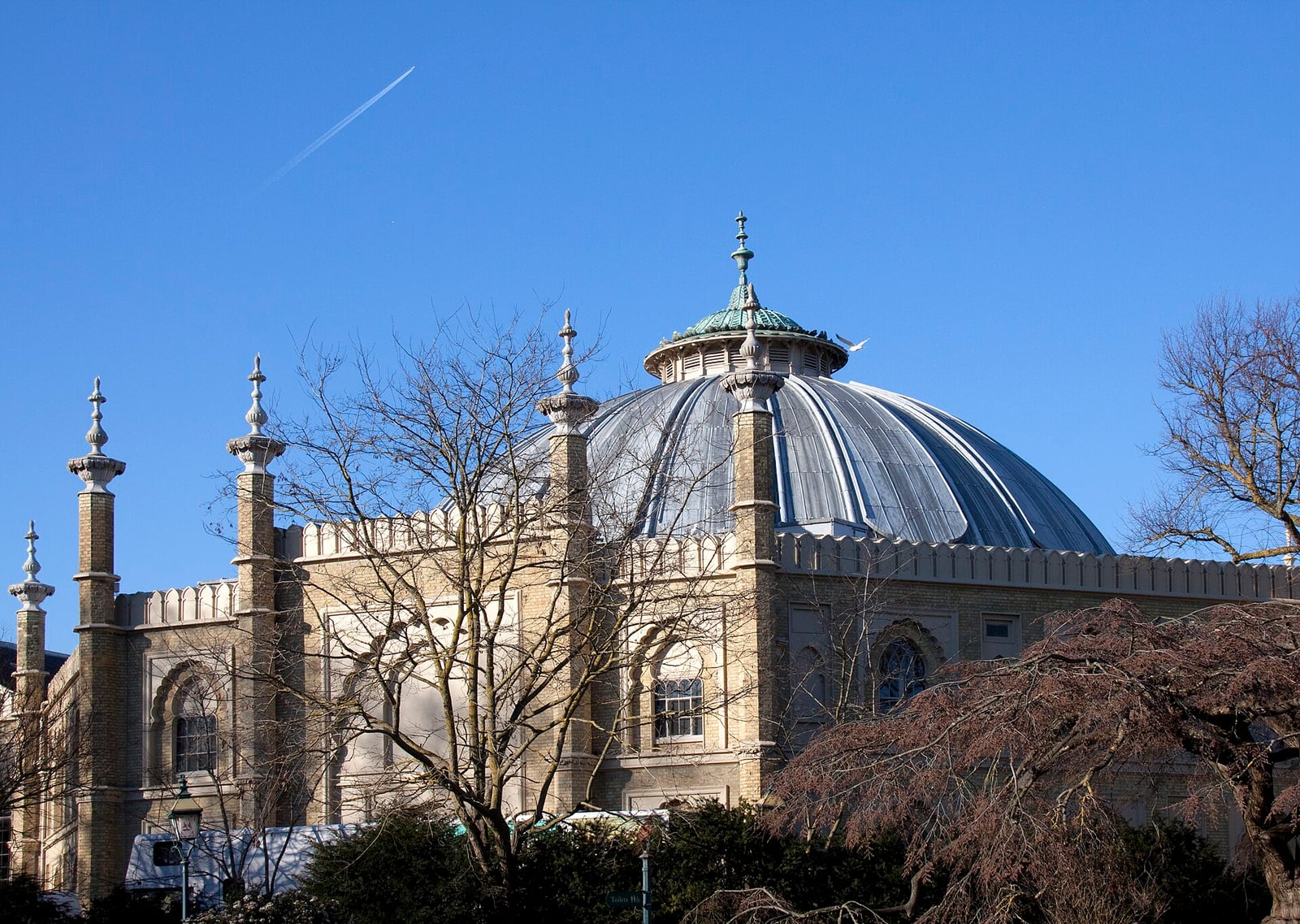
On 6 April 1974, the nineteenth edition of the Eurovision Song Contest took place at the Dome in Brighton, England. The British Broadcasting Corporation staged the event after Luxembourg, the victor of the 1973 competition, declined hosting duties because of the financial cost of producing the show two years in a row. Commercial broadcaster ITV also bid to stage the event, but the European Broadcasting Union ultimately accepted the BBC's offer. To accommodate equipment and broadcast cabins, the historic hall gave up part of its usual seating, leaving room for a smaller audience than normal.
Eighteen countries originally entered the contest, with Greece taking part for the first time. Shortly before the show, French broadcaster ORTF withdrew following the death of President Georges Pompidou on 2 April, as the date of the competition coincided with a national day of mourning. Production proceeded under intense security, driven by concerns surrounding Irish republican militant activity. Witnesses later recalled tanks in Brighton's streets, helicopters over the Dome and naval patrols in the Channel, and presenter Katie Boyle recalled being driven in bulletproof coaches between her hotel and the venue.

Keep reading in Yester
Coming soonKeep following the story
Sources
- Brighton 1974 (Eurovision Song Contest, EBU)
- ABBA, Brighton 1974 participant page (Eurovision Song Contest, EBU)
- ABBA Facts: The 1974 Eurovision Song Contest at Brighton Dome (Brighton Dome)
- Nul points, at least they kept Eurovision stars safe from terrorists (Gazette, Colchester)
- Eurovision Song Contest 1974
Image: Tony Hisgett from Birmingham, UK · CC BY 2.0 · Wikimedia Commons · cropped
